What is a Pin Oven Chain?
A pin oven chain is an essential component utilized in various thermal processing equipment, particularly in baking and food processing. Its primary function is to transport items through an oven environment while ensuring even heat distribution and efficient cooking. These chains are constructed from durable materials, designed to withstand high temperatures and the rigors of continuous operation. The design typically incorporates a series of interconnected links, each featuring pins that allow for smooth movement along a guide rail. This construction not only enhances the longevity of the chain but also contributes significantly to the operational effectiveness of the machinery.
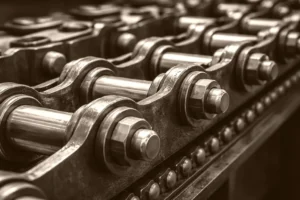
Understanding the Structure of a Pin Oven Chain
The structure of a pin oven chain consists of several key components:
Links
The links are the primary building blocks of the chain. They are often made from robust materials such as stainless steel or high-grade alloys, which provide excellent resistance to corrosion and heat. The design of the links may vary, with some featuring added reinforcements for enhanced strength.
Pins
Pins play a crucial role in connecting the links. They allow for flexibility and mobility, enabling the chain to navigate around pulleys and other mechanical parts. The pins must be precisely engineered to ensure a snug fit within the links while allowing for smooth rotation.
Attachments
Many pin oven chains come with attachments that facilitate the transport of specific items. These could include lugs for holding trays or hooks for hanging products. The choice of attachments will depend on the application of the pin oven chain and the type of items being processed.
The Role of Pin Oven Chains in Industrial Applications
In the context of industrial operations, pin oven chains are invaluable. They are primarily employed in continuous ovens, which are prevalent in large-scale food production facilities. These ovens require reliable and efficient transport mechanisms to ensure products are processed uniformly. The use of pin oven chains enables manufacturers to maintain consistent quality, reduce processing times, and streamline operations.
Heat Resistance
The ability to withstand extreme temperatures is a defining feature of pin oven chains. Most chains are designed to operate within temperature ranges of 200°C to 300°C (392°F to 572°F), making them suitable for various baking processes. This thermal resilience allows for prolonged use without compromising the integrity of the chain.
Operational Efficiency
By utilizing a pin oven chain, manufacturers can achieve higher operational efficiency. The automatic transport of products minimizes manual labor, reduces the risk of contamination, and enhances production speed. In an industry where time is of the essence, these benefits are critical for maintaining competitiveness.
Challenges Associated with Pin Oven Chains
While pin oven chains offer numerous advantages, they are not without their challenges. Understanding these issues is essential for effective maintenance and replacement.
Wear and Tear
Over time, the constant strain of high-temperature operations can lead to wear and tear on the chain. Factors such as friction, thermal expansion, and material fatigue contribute to gradual degradation, potentially leading to operational failures if not addressed promptly.
Lubrication
Maintaining proper lubrication is vital for the longevity of a pin oven chain. Insufficient lubrication can result in increased friction, leading to accelerated wear. Conversely, excessive lubrication can attract contaminants, which may impede the chain’s functionality.
Replacing a Worn Pin Oven Chain
Knowing how to replace a worn pin oven chain safely is a critical skill for operators and maintenance personnel. The process involves several steps that require careful attention to detail.
Safety Precautions
Before beginning the replacement process, it is essential to implement safety precautions. This includes shutting down the oven, allowing it to cool to a safe temperature, and disconnecting power sources. Using appropriate personal protective equipment (PPE) such as gloves, goggles, and hard hats is also mandatory to ensure personal safety.
Identifying the Worn Chain
Recognizing the symptoms of a worn pin oven chain is crucial. Common signs include unusual noises, reduced operational speed, and visible signs of wear on the links or pins. A thorough inspection can help in identifying whether a replacement is necessary.
Removing the Old Chain
To remove the old chain, begin by detaching any components that may obstruct access. This can include side panels or safety guards. Once exposed, carefully unfasten the chain from the drive sprocket and guide rails. It may be beneficial to take photographs during disassembly to assist with reassembly later.
Installing the New Chain
When installing the new pin oven chain, ensure that it aligns properly with the sprockets and guide rails. Carefully feed the chain through the designated pathways, ensuring no twists or kinks that could affect its movement. Once in place, reattach any components that were removed during disassembly.
Testing the Installation
After installation, it’s crucial to perform a test run. Gradually power on the oven and monitor the chain’s operation. Look for any irregularities in movement or performance. If any issues arise, it may be necessary to make adjustments or re-evaluate the installation.
Maintenance Tips for Longevity
To ensure the longevity and efficiency of pin oven chains, regular maintenance is paramount. Establishing a routine maintenance schedule can prevent premature wear and enhance performance.
Regular Inspections
Conducting regular inspections allows for early detection of potential issues. Check for signs of wear, misalignment, and lubrication needs. Regular visual assessments can save significant downtime in the long run.
Proper Lubrication Practices
Develop a lubrication schedule based on operational demands. Use high-temperature lubricants designed specifically for oven environments. Ensure that lubrication is applied evenly and not over-applied, as this can attract debris.
Training Personnel
Investing in training for personnel involved in operating and maintaining pin oven chains is essential. Knowledgeable staff can identify issues early and execute maintenance procedures effectively, contributing to overall operational efficiency.
Conclusion of Discussion
The discussion surrounding pin oven chains is critical for those involved in their operation and maintenance. Their role in ensuring smooth and efficient production processes cannot be overstated. By understanding their structure, function, and maintenance, operators can significantly enhance the longevity and performance of their thermal processing equipment.
Case Study: The Transformation of Laser Cutting Efficiency with EP Air Compressors
Introduction to Laser Cutting and Air Compressors
Laser cutting is a sophisticated technique widely embraced in various industries, from automotive to aerospace. The precision and speed of this method have made it a preferred choice for manufacturers. However, to achieve optimal performance in laser cutting, the importance of an efficient air compressor cannot be understated. The EP Air Compressor has emerged as a vital component in this context, enhancing productivity and quality in the laser cutting process.
Understanding the Role of Air Compressors in Laser Cutting
In laser cutting operations, air compressors provide a crucial function. They supply the necessary air pressure to assist in the cutting process, ensuring that the material is adequately evacuated from the cutting area. The quality of the air supply directly influences the cutting speed, kerf width, and overall finish of the material.
Installation of the EP Air Compressor
The implementation of the EP Air Compressor involved several key steps. The facility’s existing air system required modifications to accommodate the new compressor while ensuring compatibility with the existing laser cutting machinery.
System Evaluation and Preparation
Prior to installation, a thorough evaluation of the existing systems took place. This assessment focused on the air distribution network, pressure requirements, and compatibility with the laser cutting equipment.
Testing and Calibration
Post-installation, rigorous testing was conducted. The air pressure was calibrated to meet the specific requirements of the laser cutting operations. This step was critical to ensure that the compressor could consistently deliver the required performance without fluctuations.
Impact on Cutting Operations
The enhanced performance metrics indicated a remarkable improvement in the laser cutting operations. The increased cutting speed translated to higher throughput, allowing the facility to meet growing demands. The superior air pressure provided by the EP Air Compressor ensured cleaner cuts, reducing post-processing work and enhancing overall product quality.
Long-Term Benefits of the EP Air Compressor
The long-term benefits of adopting the EP Air Compressor extend beyond immediate operational improvements.
Operational Efficiency
With the new compressor, the facility experienced a significant reduction in downtime. The reliability of the EP Air Compressor minimized the risk of unexpected failures, leading to a more streamlined production process.
Cost Savings
The reduction in energy consumption not only lowered operational costs but also contributed to a more sustainable manufacturing environment. Over time, the initial investment in the EP Air Compressor was offset by these savings, presenting a compelling case for its adoption.
Quality Assurance
Maintaining high-quality standards became more manageable with the consistent air supply. The improved material finish led to higher customer satisfaction and reduced returns, further solidifying the facility’s reputation in the market.
The case study of the EP Air Compressor highlights the profound impact that advanced air compressor technology can have on laser cutting operations. By addressing key performance metrics, the facility not only improved its efficiency but also elevated the quality of its products, demonstrating the essential role of innovation in manufacturing.
The journey from a standard air compressor to the EP Air Compressor showcases the importance of investing in the right technology to meet the evolving demands of the industry. As manufacturing continues to advance, the integration of high-performance equipment like the EP Air Compressor will remain pivotal in achieving excellence.
Case Study: The Transformation of Laser Cutting Efficiency with EP Air Compressors
Introduction to Laser Cutting and Air Compressors
Laser cutting is a sophisticated technique widely embraced in various industries, from automotive to aerospace. The precision and speed of this method have made it a preferred choice for manufacturers. However, to achieve optimal performance in laser cutting, the importance of an efficient air compressor cannot be understated. The EP Air Compressor has emerged as a vital component in this context, enhancing productivity and quality in the laser cutting process.
Understanding the Role of Air Compressors in Laser Cutting
In laser cutting operations, air compressors provide a crucial function. They supply the necessary air pressure to assist in the cutting process, ensuring that the material is adequately evacuated from the cutting area. The quality of the air supply directly influences the cutting speed, kerf width, and overall finish of the material.
Key Metrics Before Implementation
Before the deployment of the EP Air Compressor, a comparative analysis was conducted within a typical manufacturing facility. The facility utilized a standard air compressor, which produced inconsistent air pressure and varied flow rates.
- Cutting Speed: 500 mm/min
- Air Pressure: 5 bar
- Material Finish: Rough edges with significant slag
- Energy Consumption: 25 kW
These metrics indicated a need for improvement, particularly in cutting efficiency and material quality.
Installation of the EP Air Compressor
The implementation of the EP Air Compressor involved several key steps. The facility’s existing air system required modifications to accommodate the new compressor while ensuring compatibility with the existing laser cutting machinery.
System Evaluation and Preparation
Prior to installation, a thorough evaluation of the existing systems took place. This assessment focused on the air distribution network, pressure requirements, and compatibility with the laser cutting equipment.
Installation Process
The installation process was segmented into several phases:
- Decommissioning the Old System: The initial step involved safely removing the existing air compressor while ensuring minimal disruption to ongoing operations.
- Site Preparation: Modifications to the piping and electrical systems were made to facilitate the seamless integration of the EP Air Compressor.
- Compressor Setup: The EP Air Compressor was installed, ensuring all connections were secure and operational.
Testing and Calibration
Post-installation, rigorous testing was conducted. The air pressure was calibrated to meet the specific requirements of the laser cutting operations. This step was critical to ensure that the compressor could consistently deliver the required performance without fluctuations.
Performance Metrics Post-Installation
Following the installation of the EP Air Compressor, a new set of performance metrics was established. The improvements were significant and quantifiable.
- Cutting Speed: Increased to 800 mm/min
- Air Pressure: Consistently maintained at 6 bar
- Material Finish: Smooth edges with minimal slag
- Energy Consumption: Reduced to 20 kW
Impact on Cutting Operations
The enhanced performance metrics indicated a remarkable improvement in the laser cutting operations. The increased cutting speed translated to higher throughput, allowing the facility to meet growing demands. The superior air pressure provided by the EP Air Compressor ensured cleaner cuts, reducing post-processing work and enhancing overall product quality.
Long-Term Benefits of the EP Air Compressor
The long-term benefits of adopting the EP Air Compressor extend beyond immediate operational improvements.
Operational Efficiency
With the new compressor, the facility experienced a significant reduction in downtime. The reliability of the EP Air Compressor minimized the risk of unexpected failures, leading to a more streamlined production process.
Cost Savings
The reduction in energy consumption not only lowered operational costs but also contributed to a more sustainable manufacturing environment. Over time, the initial investment in the EP Air Compressor was offset by these savings, presenting a compelling case for its adoption.
Quality Assurance
Maintaining high-quality standards became more manageable with the consistent air supply. The improved material finish led to higher customer satisfaction and reduced returns, further solidifying the facility’s reputation in the market.
Case Study: The Transformation of Laser Cutting Efficiency with EP Air Compressors
Introduction to Laser Cutting and Air Compressors
Laser cutting is a sophisticated technique widely embraced in various industries, from automotive to aerospace. The precision and speed of this method have made it a preferred choice for manufacturers. However, to achieve optimal performance in laser cutting, the importance of an efficient air compressor cannot be understated. The EP Air Compressor has emerged as a vital component in this context, enhancing productivity and quality in the laser cutting process.
Understanding the Role of Air Compressors in Laser Cutting
In laser cutting operations, air compressors provide a crucial function. They supply the necessary air pressure to assist in the cutting process, ensuring that the material is adequately evacuated from the cutting area. The quality of the air supply directly influences the cutting speed, kerf width, and overall finish of the material.
Key Metrics Before Implementation
Before the deployment of the EP Air Compressor, a comparative analysis was conducted within a typical manufacturing facility. The facility utilized a standard air compressor, which produced inconsistent air pressure and varied flow rates.
- Cutting Speed: 500 mm/min
- Air Pressure: 5 bar
- Material Finish: Rough edges with significant slag
- Energy Consumption: 25 kW
These metrics indicated a need for improvement, particularly in cutting efficiency and material quality.
Installation of the EP Air Compressor
The implementation of the EP Air Compressor involved several key steps. The facility’s existing air system required modifications to accommodate the new compressor while ensuring compatibility with the existing laser cutting machinery.
System Evaluation and Preparation
Prior to installation, a thorough evaluation of the existing systems took place. This assessment focused on the air distribution network, pressure requirements, and compatibility with the laser cutting equipment.
Installation Process
The installation process was segmented into several phases:
- Decommissioning the Old System: The initial step involved safely removing the existing air compressor while ensuring minimal disruption to ongoing operations.
- Site Preparation: Modifications to the piping and electrical systems were made to facilitate the seamless integration of the EP Air Compressor.
- Compressor Setup: The EP Air Compressor was installed, ensuring all connections were secure and operational.
Testing and Calibration
Post-installation, rigorous testing was conducted. The air pressure was calibrated to meet the specific requirements of the laser cutting operations. This step was critical to ensure that the compressor could consistently deliver the required performance without fluctuations.
Performance Metrics Post-Installation
Following the installation of the EP Air Compressor, a new set of performance metrics was established. The improvements were significant and quantifiable.
- Cutting Speed: Increased to 800 mm/min
- Air Pressure: Consistently maintained at 6 bar
- Material Finish: Smooth edges with minimal slag
- Energy Consumption: Reduced to 20 kW
Impact on Cutting Operations
The enhanced performance metrics indicated a remarkable improvement in the laser cutting operations. The increased cutting speed translated to higher throughput, allowing the facility to meet growing demands. The superior air pressure provided by the EP Air Compressor ensured cleaner cuts, reducing post-processing work and enhancing overall product quality.
Long-Term Benefits of the EP Air Compressor
The long-term benefits of adopting the EP Air Compressor extend beyond immediate operational improvements.
Operational Efficiency
With the new compressor, the facility experienced a significant reduction in downtime. The reliability of the EP Air Compressor minimized the risk of unexpected failures, leading to a more streamlined production process.
Cost Savings
The reduction in energy consumption not only lowered operational costs but also contributed to a more sustainable manufacturing environment. Over time, the initial investment in the EP Air Compressor was offset by these savings, presenting a compelling case for its adoption.
Quality Assurance
Maintaining high-quality standards became more manageable with the consistent air supply. The improved material finish led to higher customer satisfaction and reduced returns, further solidifying the facility’s reputation in the market.
Case Study: The Transformation of Laser Cutting Efficiency with EP Air Compressors
Introduction to Laser Cutting and Air Compressors
Laser cutting is a sophisticated technique widely embraced in various industries, from automotive to aerospace. The precision and speed of this method have made it a preferred choice for manufacturers. However, to achieve optimal performance in laser cutting, the importance of an efficient air compressor cannot be understated. The EP Air Compressor has emerged as a vital component in this context, enhancing productivity and quality in the laser cutting process.
Understanding the Role of Air Compressors in Laser Cutting
In laser cutting operations, air compressors provide a crucial function. They supply the necessary air pressure to assist in the cutting process, ensuring that the material is adequately evacuated from the cutting area. The quality of the air supply directly influences the cutting speed, kerf width, and overall finish of the material.
Key Metrics Before Implementation
Before the deployment of the EP Air Compressor, a comparative analysis was conducted within a typical manufacturing facility. The facility utilized a standard air compressor, which produced inconsistent air pressure and varied flow rates.
- Cutting Speed: 500 mm/min
- Air Pressure: 5 bar
- Material Finish: Rough edges with significant slag
- Energy Consumption: 25 kW
These metrics indicated a need for improvement, particularly in cutting efficiency and material quality.
Installation of the EP Air Compressor
The implementation of the EP Air Compressor involved several key steps. The facility’s existing air system required modifications to accommodate the new compressor while ensuring compatibility with the existing laser cutting machinery.
System Evaluation and Preparation
Prior to installation, a thorough evaluation of the existing systems took place. This assessment focused on the air distribution network, pressure requirements, and compatibility with the laser cutting equipment.
Installation Process
The installation process was segmented into several phases:
- Decommissioning the Old System: The initial step involved safely removing the existing air compressor while ensuring minimal disruption to ongoing operations.
- Site Preparation: Modifications to the piping and electrical systems were made to facilitate the seamless integration of the EP Air Compressor.
- Compressor Setup: The EP Air Compressor was installed, ensuring all connections were secure and operational.
Testing and Calibration
Post-installation, rigorous testing was conducted. The air pressure was calibrated to meet the specific requirements of the laser cutting operations. This step was critical to ensure that the compressor could consistently deliver the required performance without fluctuations.
Performance Metrics Post-Installation
Following the installation of the EP Air Compressor, a new set of performance metrics was established. The improvements were significant and quantifiable.
- Cutting Speed: Increased to 800 mm/min
- Air Pressure: Consistently maintained at 6 bar
- Material Finish: Smooth edges with minimal slag
- Energy Consumption: Reduced to 20 kW
Impact on Cutting Operations
The enhanced performance metrics indicated a remarkable improvement in the laser cutting operations. The increased cutting speed translated to higher throughput, allowing the facility to meet growing demands. The superior air pressure provided by the EP Air Compressor ensured cleaner cuts, reducing post-processing work and enhancing overall product quality.
Long-Term Benefits of the EP Air Compressor
The long-term benefits of adopting the EP Air Compressor extend beyond immediate operational improvements.
Operational Efficiency
With the new compressor, the facility experienced a significant reduction in downtime. The reliability of the EP Air Compressor minimized the risk of unexpected failures, leading to a more streamlined production process.
Cost Savings
The reduction in energy consumption not only lowered operational costs but also contributed to a more sustainable manufacturing environment. Over time, the initial investment in the EP Air Compressor was offset by these savings, presenting a compelling case for its adoption.
Quality Assurance
Maintaining high-quality standards became more manageable with the consistent air supply. The improved material finish led to higher customer satisfaction and reduced returns, further solidifying the facility’s reputation in the market.
Through the strategic implementation of the EP Air Compressor, the facility transformed its laser cutting operations, achieving unprecedented levels of efficiency, cost-effectiveness, and quality assurance. The case study illustrates not only the importance of advanced air compressor technology but also the direct impact such innovations can have on manufacturing processes across diverse industries.”