Mô tả sản phẩm
Mô tả sản phẩm
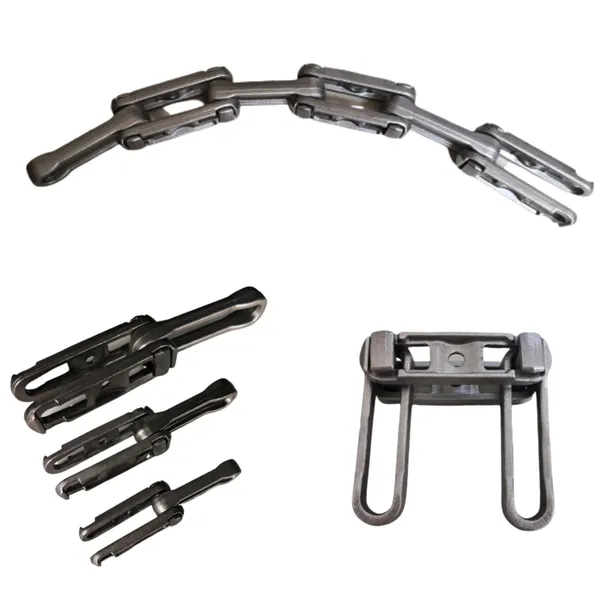
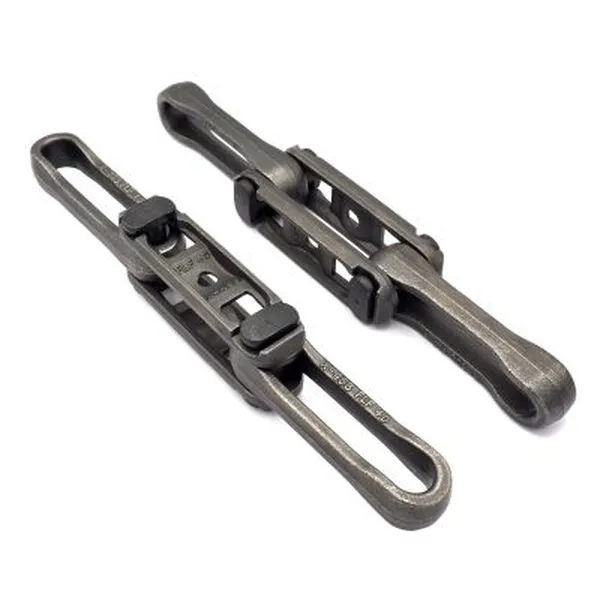
1, Our Chain types: Agricultural roller chain, hollow pin conveyor chain, sugar industry chain, cane feeder and washing table chain, welded steel chain, bakery industry chain, weld steel drag chains,coil conveyor chain, palm oil chain etc;
2, Main materials: It is 40Mn. 40Cr, 45Mn alloy steel, SUS304, and POM Plastic for plates, 10#, 20#, 20CrMnMo, 30CrMnTi for pins and rollers;
3, Heat treatment: Carburizing, Austemper Stressing, nitro-caburizing harden etc;
4, Surface: Shot peening, black, blue or original;
Detailed Photos
For example of WH78, WH82, WH124, WH111, WH106, WH110, WH132, WH150, WH155
Product Parameters
Packaging & Shipping
plastic bag+carton+ OSB Case
Shipping way: these products will be shipped to your local port by sea, these also could be sent to your specific address by air.
Our Advantages
Our chains could be customized according to your actual order quantity, actual drawing and actual requirement. We have own chain process workshop, heat treatment workshop, process equipments and experienced designers.
(01)Assembled workshop
(02)Punching plate workshop
(03)Plate fabrication workshop
(04)Heat treatment workshop
(05)Shot peening workshop
(06) our warehouse
After Sales Service
Our products can be repaired or replaced the new parts with free cost in six months.
| Vật liệu: | Hợp kim |
|---|---|
| Kết cấu: | Welded Chain |
| Xử lý bề mặt: | Carburizing and Quenching |
| Kích thước dây chuyền: | 153.67mm |
| Feature: | Heat Resistant |
| Bush Diameter on Inner Link: | 44.50mm |
| Tùy chỉnh: | Có sẵn | Yêu cầu tùy chỉnh |
|---|

Làm thế nào để tính toán lực căng tối đa cho phép trong xích băng tải?
Có thể tính toán lực căng tối đa cho phép trong xích băng tải bằng các bước sau:
1. Xác định bước xích:
– Đo khoảng cách giữa tâm của hai mắt xích liên tiếp. Số đo này được gọi là bước xích và thường được biểu thị bằng inch hoặc milimét.
2. Xác định tốc độ xích:
– Xác định tốc độ hoạt động của băng tải. Tốc độ băng tải thường được biểu thị bằng feet trên phút hoặc mét trên giây.
3. Tính toán lực kéo xích:
– Xác định tổng trọng lượng hoặc lực cần được di chuyển bởi xích băng tải. Điều này bao gồm trọng lượng của vật liệu được vận chuyển và bất kỳ tải trọng hoặc lực bổ sung nào tác động lên xích.
4. Tính toán lực căng cần thiết:
– Sử dụng công thức sau để tính lực căng cần thiết:
Lực căng xích = (Lực kéo xích × Tốc độ xích) / (Bước xích × Hiệu suất)
– Hệ số hiệu suất tính đến các tổn thất do ma sát và các yếu tố khác, và thường được biểu thị bằng số thập phân nằm giữa 0 và 1.
5. Xác định lực căng tối đa cho phép:
– Lực căng tối đa cho phép được xác định bởi thông số kỹ thuật của nhà sản xuất đối với xích băng tải. Điều quan trọng là phải tham khảo tài liệu của nhà sản xuất hoặc liên hệ trực tiếp với họ để có được giá trị lực căng tối đa cho phép.
6. So sánh lực căng yêu cầu và lực căng tối đa cho phép:
– So sánh lực căng cần thiết đã tính toán với lực căng tối đa cho phép. Lực căng cần thiết phải nhỏ hơn hoặc bằng lực căng tối đa cho phép để đảm bảo hoạt động an toàn và đáng tin cậy của xích băng tải.
Bằng cách làm theo các bước này và xem xét các thông số kỹ thuật của nhà sản xuất, bạn có thể tính toán chính xác lực căng tối đa cho phép trong xích băng tải và đảm bảo rằng nó nằm trong giới hạn vận hành an toàn.
How does lubrication affect the performance of a conveyor chain?
Lubrication plays a crucial role in the performance and longevity of a conveyor chain. Proper lubrication helps to reduce friction, wear, and heat generation, ensuring smooth operation and minimizing the risk of premature failure. Here’s how lubrication affects the performance of a conveyor chain:
1. Friction Reduction: Lubrication forms a thin film between the chain components, reducing friction between metal surfaces. This reduces the energy required for operation, minimizes heat generation, and prevents excessive wear and tear.
2. Wear Prevention: Lubrication forms a protective layer on the chain components, preventing direct metal-to-metal contact. This helps to reduce wear and extend the service life of the chain.
3. Corrosion Protection: Lubricants often contain anti-corrosion additives that protect the chain from rust and oxidation. This is particularly important in environments with high humidity or exposure to corrosive substances.
4. Noise Reduction: Proper lubrication reduces the noise generated during chain operation by minimizing friction and metal-to-metal contact. This can contribute to a quieter and more comfortable working environment.
5. Temperature Control: Lubrication helps to dissipate heat generated during chain operation, preventing excessive temperature rise. This is crucial in high-speed or heavy-duty applications where heat can lead to accelerated wear and reduced chain performance.
6. Maintenance and Service Life: Regular lubrication and proper lubricant selection are essential for maintaining the chain’s performance and extending its service life. Adequate lubrication reduces the need for frequent maintenance, minimizes downtime, and lowers overall operating costs.
It’s important to follow the manufacturer’s recommendations for lubrication frequency and use the appropriate lubricant for the conveyor chain. Regular inspections and maintenance checks should also be conducted to ensure proper lubrication levels and address any issues promptly. Proper lubrication practices will enhance the performance, reliability, and durability of the conveyor chain system.
How can you prevent conveyor chain failures?
Preventing conveyor chain failures is crucial for maintaining the efficiency and reliability of a conveyor system. Here are some key preventive measures:
- Regular Inspection and Maintenance: Implement a routine inspection and maintenance schedule to identify potential issues before they escalate. Regularly inspect the chain for signs of wear, such as elongation, link plate wear, and sprocket tooth wear. Address any visible damage or abnormalities promptly.
- Proper Lubrication: Apply the appropriate lubricant to the conveyor chain to minimize friction and reduce wear. Lubrication helps to prevent metal-to-metal contact, corrosion, and excessive heat generation. Follow the manufacturer’s recommendations for lubrication frequency and use lubricants suitable for the operating conditions.
- Tensioning: Maintain proper tension in the conveyor chain to ensure optimal performance and reduce the risk of failures. Both over-tensioning and under-tensioning can lead to premature wear or chain damage. Follow the manufacturer’s guidelines for tensioning and regularly check and adjust the tension as needed.
- Sprocket Maintenance: Inspect and maintain the sprockets that engage with the conveyor chain. Check for any signs of wear or damage on the sprocket teeth and replace them if necessary. Ensure proper alignment between the chain and sprockets to prevent excessive wear and chain skipping.
- Environmental Considerations: Take into account the environmental factors that can affect the conveyor chain’s performance. Protect the chain from exposure to moisture, corrosive substances, excessive heat, or abrasive materials. Implement appropriate safeguards, such as covers or enclosures, to minimize environmental impact on the chain.
- Proper Loading: Ensure that the conveyor chain is not subjected to excessive loads beyond its capacity. Overloading can lead to accelerated wear and chain failures. Adhere to the recommended load limits and guidelines provided by the chain manufacturer.
- Operator Training: Provide proper training to operators and maintenance personnel on the correct operation, maintenance, and safety procedures related to the conveyor chain system. Educate them on identifying potential issues, performing routine inspections, and reporting any abnormalities.
By implementing these preventive measures, you can significantly reduce the risk of conveyor chain failures and extend the lifespan of the chain. Regular monitoring and maintenance are essential to ensure the system operates smoothly and safely.


editor by CX 2023-10-07