Hiểu về khả năng chịu tải của xích lò nướng chốt
Dây xích lò nướng dạng chốt là gì?
A pin oven chain is an intricate mechanism designed primarily for high-temperature environments. Often employed in food processing and industrial applications, these chains are essential for transporting products through thermal systems. A typical pin oven chain consists of a series of interconnected links, where each link is equipped with a pin that facilitates rotation and movement. The structure of the chain allows it to endure substantial loads while maintaining operational efficiency.
These chains are engineered to withstand extreme conditions, including elevated temperatures and corrosive environments, making them ideal for industries such as baking, roasting, and other cooking processes. The durability and reliability of a pin oven chain can significantly impact the overall productivity of the manufacturing process.
Các bộ phận của xích lò nướng ghim
Link Configuration
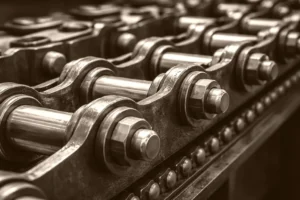
The link configuration of a pin oven chain is crucial in determining its load capacity. Each link is designed to interlock with adjacent links, forming a robust system that can handle considerable weight. The geometry of the links, including their width and thickness, influences the chain’s performance under load. Manufacturers often customize link designs to meet specific operational requirements, ensuring optimal performance in various applications.
Material Composition
The materials used in constructing pin oven chains significantly affect their load capacity. Typically, high-strength stainless steel is employed due to its resistance to corrosion and ability to withstand high temperatures. The choice of material also impacts the chain’s weight, flexibility, and durability. Special coatings may be applied to enhance properties such as friction resistance and thermal stability, further optimizing the chain for its intended application.
Load Capacity Determinants
Design Specifications
The design specifications of a pin oven chain play a pivotal role in its load capacity. Factors like link size, pin diameter, and overall chain length are meticulously calculated to ensure that the chain can bear the intended load without compromising safety or performance. Engineers must consider the dynamic and static loads that the chain will encounter during operation, adjusting specifications accordingly.
Operational Environment
The operational environment also affects load capacity. High temperatures can weaken materials, leading to potential failure if the chain is not adequately rated for such conditions. In addition, exposure to various chemicals or substances can lead to corrosion, further diminishing the chain’s effectiveness. Understanding the specific conditions in which the pin oven chain will operate is vital for ensuring that it meets the required load capacity.
Calculating Load Capacity
Mathematical Models
Calculating the load capacity of a pin oven chain involves complex mathematical models that take into account various factors such as link strength, wear, and environmental conditions. Engineers utilize formulas that incorporate the tensile strength of the materials, the number of links, and the distribution of weight along the chain. These calculations are essential for determining the maximum load the chain can safely carry without risk of failure.
Testing Procedures
Beyond theoretical calculations, rigorous testing procedures are undertaken to validate load capacity. Chains are subjected to simulated operational conditions, where they are progressively loaded until failure occurs. This empirical data provides invaluable insights into the chain’s performance and serves as a benchmark for future applications. Such testing ensures that the chains meet industry standards and regulations, guaranteeing reliability and safety.
Applications of Pin Oven Chains
Food Processing Industry
The food processing industry is one of the primary users of pin oven chains. These chains are integral to conveyor systems, transporting products through baking and cooking processes. The ability to withstand high temperatures and maintain integrity under stress allows for efficient production lines. Additionally, the design of these chains ensures easy cleaning, which is critical in maintaining hygiene standards in food production.
Industrial Applications
Outside of the food sector, pin oven chains find applications in various industrial processes where high temperatures are prevalent. These include metal treatment processes, where parts are heated before treatment, and in other manufacturing lines where heat is a component of the production cycle. The versatility of pin oven chains allows them to adapt to different operational needs, making them indispensable in many industrial settings.
Maintenance Considerations
Regular Inspections
To ensure optimal operation and longevity of pin oven chains, regular inspections are critical. These inspections should focus on wear patterns, lubrication levels, and structural integrity. Any signs of damage or excessive wear should prompt immediate attention to prevent failure during operation. A proactive maintenance schedule not only extends the life of the chain but also enhances overall productivity.
Lubrication Practices
Proper lubrication is essential for minimizing friction and wear on pin oven chains. The selection of lubricants must align with the operational temperature ranges and the materials used in the chain. Regularly applying the appropriate lubricant can significantly reduce the risk of overheating and mechanical failure, ensuring that the chain operates smoothly within its load capacity.
Future Trends in Pin Oven Chain Technology
Innovative Materials
The future of pin oven chains is likely to be influenced by advancements in material science. New composites and alloys may be developed to enhance the performance characteristics of these chains, such as improved heat resistance, reduced weight, and enhanced durability. These innovations could lead to even greater load capacities and efficiencies in various applications.
Tích hợp công nghệ thông minh
As industries move towards automation and smart technology integration, pin oven chains will also evolve. The implementation of sensors and monitoring systems can provide real-time data on chain performance, load levels, and maintenance needs. This data-driven approach can help manufacturers optimize their processes, reduce downtime, and improve safety standards.
Nghiên cứu điển hình: Nâng cao hiệu quả cắt laser với máy nén khí EP
Giới thiệu về cắt laser và máy nén khí
Cắt laser là một kỹ thuật tiên tiến được ứng dụng rộng rãi trong nhiều ngành công nghiệp, từ ô tô đến hàng không vũ trụ. Độ chính xác và tốc độ của phương pháp này đã khiến nó trở thành lựa chọn ưu tiên của các nhà sản xuất. Tuy nhiên, để đạt được hiệu suất tối ưu trong cắt laser, tầm quan trọng của một máy nén khí hiệu quả là không thể phủ nhận. Máy nén khí EP đã nổi lên như một thành phần thiết yếu trong bối cảnh này, giúp nâng cao năng suất và chất lượng trong quá trình cắt laser.
Hiểu rõ vai trò của máy nén khí trong quá trình cắt laser
Trong các hoạt động cắt laser, máy nén khí đóng vai trò vô cùng quan trọng. Chúng cung cấp áp suất khí cần thiết để hỗ trợ quá trình cắt, đảm bảo vật liệu được loại bỏ triệt để khỏi khu vực cắt. Chất lượng của nguồn khí ảnh hưởng trực tiếp đến tốc độ cắt, độ rộng đường cắt và độ hoàn thiện tổng thể của vật liệu.
Lắp đặt máy nén khí EP
Việc triển khai máy nén khí EP bao gồm một số bước quan trọng. Hệ thống khí nén hiện có của nhà máy cần được sửa đổi để phù hợp với máy nén khí mới đồng thời đảm bảo tính tương thích với các máy cắt laser hiện có.
Đánh giá và chuẩn bị hệ thống
Trước khi lắp đặt, một cuộc đánh giá kỹ lưỡng các hệ thống hiện có đã được tiến hành. Cuộc đánh giá này tập trung vào mạng lưới phân phối khí, yêu cầu về áp suất và khả năng tương thích với thiết bị cắt laser.
Kiểm tra và hiệu chuẩn
Sau khi lắp đặt, quá trình kiểm tra nghiêm ngặt đã được tiến hành. Áp suất không khí được hiệu chỉnh để đáp ứng các yêu cầu cụ thể của hoạt động cắt laser. Bước này rất quan trọng để đảm bảo máy nén khí có thể liên tục cung cấp hiệu suất cần thiết mà không bị dao động.
Tác động đến hoạt động cắt gọt
Các chỉ số hiệu suất được cải thiện cho thấy sự tiến bộ vượt bậc trong hoạt động cắt laser. Tốc độ cắt tăng lên dẫn đến năng suất cao hơn, cho phép nhà máy đáp ứng nhu cầu ngày càng tăng. Áp suất khí nén vượt trội do máy nén khí EP cung cấp đảm bảo các đường cắt sạch hơn, giảm thiểu công đoạn xử lý sau cắt và nâng cao chất lượng sản phẩm tổng thể.
Lợi ích lâu dài của máy nén khí EP
Lợi ích lâu dài của việc sử dụng máy nén khí EP không chỉ dừng lại ở những cải thiện vận hành tức thời.
Hiệu quả hoạt động
Với máy nén khí mới, nhà máy đã giảm đáng kể thời gian ngừng hoạt động. Độ tin cậy của máy nén khí EP đã giảm thiểu rủi ro hỏng hóc bất ngờ, dẫn đến quy trình sản xuất hiệu quả hơn.
Tiết kiệm chi phí
Việc giảm tiêu thụ năng lượng không chỉ làm giảm chi phí vận hành mà còn góp phần tạo ra môi trường sản xuất bền vững hơn. Theo thời gian, khoản đầu tư ban đầu vào máy nén khí EP đã được bù đắp bởi những khoản tiết kiệm này, tạo nên lý do thuyết phục để áp dụng nó.
Đảm bảo chất lượng
Việc duy trì các tiêu chuẩn chất lượng cao trở nên dễ dàng hơn nhờ nguồn cung cấp khí ổn định. Chất lượng hoàn thiện sản phẩm được cải thiện dẫn đến sự hài lòng của khách hàng cao hơn và tỷ lệ hàng trả lại thấp hơn, từ đó củng cố thêm uy tín của cơ sở sản xuất trên thị trường.
Nghiên cứu trường hợp về máy nén khí EP làm nổi bật tác động sâu sắc mà công nghệ máy nén khí tiên tiến có thể mang lại cho hoạt động cắt laser. Bằng cách giải quyết các chỉ số hiệu suất chính, cơ sở này không chỉ cải thiện hiệu quả mà còn nâng cao chất lượng sản phẩm, chứng minh vai trò thiết yếu của đổi mới trong sản xuất.
Hành trình từ máy nén khí tiêu chuẩn đến máy nén khí EP cho thấy tầm quan trọng của việc đầu tư vào công nghệ phù hợp để đáp ứng nhu cầu ngày càng tăng của ngành công nghiệp. Khi ngành sản xuất tiếp tục phát triển, việc tích hợp các thiết bị hiệu suất cao như máy nén khí EP sẽ vẫn đóng vai trò then chốt trong việc đạt được sự xuất sắc.
Nghiên cứu điển hình: Nâng cao hiệu quả cắt laser với máy nén khí EP
Giới thiệu về cắt laser và máy nén khí
Cắt laser là một kỹ thuật tiên tiến được ứng dụng rộng rãi trong nhiều ngành công nghiệp, từ ô tô đến hàng không vũ trụ. Độ chính xác và tốc độ của phương pháp này đã khiến nó trở thành lựa chọn ưu tiên của các nhà sản xuất. Tuy nhiên, để đạt được hiệu suất tối ưu trong cắt laser, tầm quan trọng của một máy nén khí hiệu quả là không thể phủ nhận. Máy nén khí EP đã nổi lên như một thành phần thiết yếu trong bối cảnh này, giúp nâng cao năng suất và chất lượng trong quá trình cắt laser.
Hiểu rõ vai trò của máy nén khí trong quá trình cắt laser
Trong các hoạt động cắt laser, máy nén khí đóng vai trò vô cùng quan trọng. Chúng cung cấp áp suất khí cần thiết để hỗ trợ quá trình cắt, đảm bảo vật liệu được loại bỏ triệt để khỏi khu vực cắt. Chất lượng của nguồn khí ảnh hưởng trực tiếp đến tốc độ cắt, độ rộng đường cắt và độ hoàn thiện tổng thể của vật liệu.
Các chỉ số chính trước khi triển khai
Before the deployment of the EP Air Compressor, a comparative analysis was conducted within a typical manufacturing facility. The facility utilized a standard air compressor, which produced inconsistent air pressure and varied flow rates. The performance metrics were as follows:
- Cutting Speed: 500 mm/min
- Air Pressure: 5 bar
- Material Finish: Rough edges with significant slag
- Energy Consumption: 25 kW
Các chỉ số này cho thấy cần phải cải thiện, đặc biệt là về hiệu quả cắt và chất lượng vật liệu.
Lắp đặt máy nén khí EP
Việc triển khai máy nén khí EP bao gồm một số bước quan trọng. Hệ thống khí nén hiện có của nhà máy cần được sửa đổi để phù hợp với máy nén khí mới đồng thời đảm bảo tính tương thích với các máy cắt laser hiện có.
Đánh giá và chuẩn bị hệ thống
Trước khi lắp đặt, một cuộc đánh giá kỹ lưỡng các hệ thống hiện có đã được tiến hành. Cuộc đánh giá này tập trung vào mạng lưới phân phối khí, yêu cầu về áp suất và khả năng tương thích với thiết bị cắt laser.
Quy trình cài đặt
Quá trình cài đặt được chia thành nhiều giai đoạn:
- Decommissioning the Old System: The initial step involved safely removing the existing air compressor while ensuring minimal disruption to ongoing operations.
- Site Preparation: Modifications to the piping and electrical systems were made to facilitate the seamless integration of the EP Air Compressor.
- Compressor Setup: The EP Air Compressor was installed, ensuring all connections were secure and operational.
Kiểm tra và hiệu chuẩn
Sau khi lắp đặt, quá trình kiểm tra nghiêm ngặt đã được tiến hành. Áp suất không khí được hiệu chỉnh để đáp ứng các yêu cầu cụ thể của hoạt động cắt laser. Bước này rất quan trọng để đảm bảo máy nén khí có thể liên tục cung cấp hiệu suất cần thiết mà không bị dao động.
Các chỉ số hiệu năng sau khi cài đặt
Following the installation of the EP Air Compressor, a new set of performance metrics was established. The improvements were significant and quantifiable:
- Cutting Speed: Increased to 800 mm/min
- Air Pressure: Consistently maintained at 6 bar
- Material Finish: Smooth edges with minimal slag
- Energy Consumption: Reduced to 20 kW
Tác động đến hoạt động cắt gọt
Các chỉ số hiệu suất được cải thiện cho thấy sự tiến bộ vượt bậc trong hoạt động cắt laser. Tốc độ cắt tăng lên dẫn đến năng suất cao hơn, cho phép nhà máy đáp ứng nhu cầu ngày càng tăng. Áp suất khí nén vượt trội do máy nén khí EP cung cấp đảm bảo các đường cắt sạch hơn, giảm thiểu công đoạn xử lý sau cắt và nâng cao chất lượng sản phẩm tổng thể.
Lợi ích lâu dài của máy nén khí EP
Lợi ích lâu dài của việc sử dụng máy nén khí EP không chỉ dừng lại ở những cải thiện vận hành tức thời.
Hiệu quả hoạt động
Với máy nén khí mới, nhà máy đã giảm đáng kể thời gian ngừng hoạt động. Độ tin cậy của máy nén khí EP đã giảm thiểu rủi ro hỏng hóc bất ngờ, dẫn đến quy trình sản xuất hiệu quả hơn.
Tiết kiệm chi phí
Việc giảm tiêu thụ năng lượng không chỉ làm giảm chi phí vận hành mà còn góp phần tạo ra môi trường sản xuất bền vững hơn. Theo thời gian, khoản đầu tư ban đầu vào máy nén khí EP đã được bù đắp bởi những khoản tiết kiệm này, tạo nên lý do thuyết phục để áp dụng nó.
Đảm bảo chất lượng
Việc duy trì các tiêu chuẩn chất lượng cao trở nên dễ dàng hơn nhờ nguồn cung cấp khí ổn định. Chất lượng hoàn thiện sản phẩm được cải thiện dẫn đến sự hài lòng của khách hàng cao hơn và tỷ lệ hàng trả lại thấp hơn, từ đó củng cố thêm uy tín của cơ sở sản xuất trên thị trường.
Future Prospects and Innovations
The journey of integrating the EP Air Compressor into the laser cutting operations also opens the door to future innovations. As manufacturers continue to evolve, the demand for smarter, more efficient systems will likely drive advancements in air compressor technology. The integration of real-time monitoring systems and predictive maintenance tools is on the horizon, providing manufacturers with data-driven insights that can further enhance productivity and efficiency.
Strategic Recommendations
To maximize the benefits of the EP Air Compressor and similar technologies, facilities should consider the following strategic recommendations:
- Conduct regular maintenance checks to ensure optimal performance and longevity of the air compressor.
- Train staff on the new systems and technologies to leverage their full potential.
- Invest in complementary technology that optimizes the entire laser cutting ecosystem.
Real-World Applications
The successful deployment of the EP Air Compressor serves as a testament to its effectiveness. Various industries have reported similar enhancements in efficiency and product quality through the adoption of advanced air compressor systems. This case study not only reflects the operational transformations but also emphasizes the role of continuous improvement in manufacturing processes.
Conclusion
This case study of the EP Air Compressor highlights the profound impact that advanced air compressor technology can have on laser cutting operations. By addressing key performance metrics, the facility not only improved its efficiency but also elevated the quality of its products, demonstrating the essential role of innovation in manufacturing.
Nghiên cứu điển hình: Nâng cao hiệu quả cắt laser với máy nén khí EP
Giới thiệu về cắt laser và máy nén khí
Cắt laser là một kỹ thuật tiên tiến được ứng dụng rộng rãi trong nhiều ngành công nghiệp, từ ô tô đến hàng không vũ trụ. Độ chính xác và tốc độ của phương pháp này đã khiến nó trở thành lựa chọn ưu tiên của các nhà sản xuất. Tuy nhiên, để đạt được hiệu suất tối ưu trong cắt laser, tầm quan trọng của một máy nén khí hiệu quả là không thể phủ nhận. Máy nén khí EP đã nổi lên như một thành phần thiết yếu trong bối cảnh này, giúp nâng cao năng suất và chất lượng trong quá trình cắt laser.
Hiểu rõ vai trò của máy nén khí trong quá trình cắt laser
Trong các hoạt động cắt laser, máy nén khí đóng vai trò vô cùng quan trọng. Chúng cung cấp áp suất khí cần thiết để hỗ trợ quá trình cắt, đảm bảo vật liệu được loại bỏ triệt để khỏi khu vực cắt. Chất lượng của nguồn khí ảnh hưởng trực tiếp đến tốc độ cắt, độ rộng đường cắt và độ hoàn thiện tổng thể của vật liệu.
Các chỉ số chính trước khi triển khai
Before the deployment of the EP Air Compressor, a comparative analysis was conducted within a typical manufacturing facility. The facility utilized a standard air compressor, which produced inconsistent air pressure and varied flow rates. The performance metrics were as follows:
- Tốc độ cắt: 500 mm/phút
- Áp suất không khí: 5 bar
- Hoàn thiện vật liệu: Các cạnh thô ráp với nhiều xỉ.
- Mức tiêu thụ năng lượng: 25 kW
Các chỉ số này cho thấy cần phải cải thiện, đặc biệt là về hiệu quả cắt và chất lượng vật liệu.
Lắp đặt máy nén khí EP
Việc triển khai máy nén khí EP bao gồm một số bước quan trọng. Hệ thống khí nén hiện có của nhà máy cần được sửa đổi để phù hợp với máy nén khí mới đồng thời đảm bảo tính tương thích với các máy cắt laser hiện có.
Đánh giá và chuẩn bị hệ thống
Trước khi lắp đặt, một cuộc đánh giá kỹ lưỡng các hệ thống hiện có đã được tiến hành. Cuộc đánh giá này tập trung vào mạng lưới phân phối khí, yêu cầu về áp suất và khả năng tương thích với thiết bị cắt laser.
Quy trình cài đặt
Quá trình cài đặt được chia thành nhiều giai đoạn:
- Tháo dỡ hệ thống cũ: Bước đầu tiên bao gồm việc tháo dỡ máy nén khí hiện có một cách an toàn, đồng thời đảm bảo giảm thiểu tối đa sự gián đoạn đối với các hoạt động đang diễn ra.
- Chuẩn bị mặt bằng: Các điều chỉnh đối với hệ thống đường ống và điện đã được thực hiện để tạo điều kiện thuận lợi cho việc tích hợp liền mạch máy nén khí EP.
- Thiết lập máy nén khí: Máy nén khí EP đã được lắp đặt, đảm bảo tất cả các kết nối đều chắc chắn và hoạt động tốt.
Kiểm tra và hiệu chuẩn
Sau khi lắp đặt, quá trình kiểm tra nghiêm ngặt đã được tiến hành. Áp suất không khí được hiệu chỉnh để đáp ứng các yêu cầu cụ thể của hoạt động cắt laser. Bước này rất quan trọng để đảm bảo máy nén khí có thể liên tục cung cấp hiệu suất cần thiết mà không bị dao động.
Các chỉ số hiệu năng sau khi cài đặt
Following the installation of the EP Air Compressor, a new set of performance metrics was established. The improvements were significant and quantifiable:
- Tốc độ cắt: Tăng lên 800 mm/phút
- Áp suất không khí: Luôn được duy trì ở mức 6 bar.
- Hoàn thiện vật liệu: Các cạnh được mài nhẵn với lượng xỉ tối thiểu.
- Mức tiêu thụ năng lượng: Giảm xuống còn 20 kW
Tác động đến hoạt động cắt gọt
Các chỉ số hiệu suất được cải thiện cho thấy sự tiến bộ vượt bậc trong hoạt động cắt laser. Tốc độ cắt tăng lên dẫn đến năng suất cao hơn, cho phép nhà máy đáp ứng nhu cầu ngày càng tăng. Áp suất khí nén vượt trội do máy nén khí EP cung cấp đảm bảo các đường cắt sạch hơn, giảm thiểu công đoạn xử lý sau cắt và nâng cao chất lượng sản phẩm tổng thể.
Lợi ích lâu dài của máy nén khí EP
Lợi ích lâu dài của việc sử dụng máy nén khí EP không chỉ dừng lại ở những cải thiện vận hành tức thời.
Hiệu quả hoạt động
Với máy nén khí mới, nhà máy đã giảm đáng kể thời gian ngừng hoạt động. Độ tin cậy của máy nén khí EP đã giảm thiểu rủi ro hỏng hóc bất ngờ, dẫn đến quy trình sản xuất hiệu quả hơn.
Tiết kiệm chi phí
Việc giảm tiêu thụ năng lượng không chỉ làm giảm chi phí vận hành mà còn góp phần tạo ra môi trường sản xuất bền vững hơn. Theo thời gian, khoản đầu tư ban đầu vào máy nén khí EP đã được bù đắp bởi những khoản tiết kiệm này, tạo nên lý do thuyết phục để áp dụng nó.
Đảm bảo chất lượng
Việc duy trì các tiêu chuẩn chất lượng cao trở nên dễ dàng hơn nhờ nguồn cung cấp khí ổn định. Chất lượng hoàn thiện sản phẩm được cải thiện dẫn đến sự hài lòng của khách hàng cao hơn và tỷ lệ hàng trả lại thấp hơn, từ đó củng cố thêm uy tín của cơ sở sản xuất trên thị trường.
Future Prospects and Innovations
The journey of integrating the EP Air Compressor into the laser cutting operations also opens the door to future innovations. As manufacturers continue to evolve, the demand for smarter, more efficient systems will likely drive advancements in air compressor technology. The integration of real-time monitoring systems and predictive maintenance tools is on the horizon, providing manufacturers with data-driven insights that can further enhance productivity and efficiency.
Strategic Recommendations
To maximize the benefits of the EP Air Compressor and similar technologies, facilities should consider the following strategic recommendations:
- Conduct regular maintenance checks to ensure optimal performance and longevity of the air compressor.
- Train staff on the new systems and technologies to leverage their full potential.
- Invest in complementary technology that optimizes the entire laser cutting ecosystem.
Real-World Applications
The successful deployment of the EP Air Compressor serves as a testament to its effectiveness. Various industries have reported similar enhancements in efficiency and product quality through the adoption of advanced air compressor systems. This case study not only reflects the operational transformations but also emphasizes the role of continuous improvement in manufacturing processes.
Nghiên cứu điển hình: Nâng cao hiệu quả cắt laser với máy nén khí EP
Giới thiệu về cắt laser và máy nén khí
Cắt laser là một kỹ thuật tiên tiến được ứng dụng rộng rãi trong nhiều ngành công nghiệp, từ ô tô đến hàng không vũ trụ. Độ chính xác và tốc độ của phương pháp này đã khiến nó trở thành lựa chọn ưu tiên của các nhà sản xuất. Tuy nhiên, để đạt được hiệu suất tối ưu trong cắt laser, tầm quan trọng của một máy nén khí hiệu quả là không thể phủ nhận. Máy nén khí EP đã nổi lên như một thành phần thiết yếu trong bối cảnh này, giúp nâng cao năng suất và chất lượng trong quá trình cắt laser.
Hiểu rõ vai trò của máy nén khí trong quá trình cắt laser
Trong các hoạt động cắt laser, máy nén khí đóng vai trò vô cùng quan trọng. Chúng cung cấp áp suất khí cần thiết để hỗ trợ quá trình cắt, đảm bảo vật liệu được loại bỏ triệt để khỏi khu vực cắt. Chất lượng của nguồn khí ảnh hưởng trực tiếp đến tốc độ cắt, độ rộng đường cắt và độ hoàn thiện tổng thể của vật liệu.
Các chỉ số chính trước khi triển khai
Before the deployment of the EP Air Compressor, a comparative analysis was conducted within a typical manufacturing facility. The facility utilized a standard air compressor, which produced inconsistent air pressure and varied flow rates. The performance metrics were as follows:
- Tốc độ cắt: 500 mm/phút
- Áp suất không khí: 5 bar
- Hoàn thiện vật liệu: Các cạnh thô ráp với nhiều xỉ.
- Mức tiêu thụ năng lượng: 25 kW
Các chỉ số này cho thấy cần phải cải thiện, đặc biệt là về hiệu quả cắt và chất lượng vật liệu.
Lắp đặt máy nén khí EP
Việc triển khai máy nén khí EP bao gồm một số bước quan trọng. Hệ thống khí nén hiện có của nhà máy cần được sửa đổi để phù hợp với máy nén khí mới đồng thời đảm bảo tính tương thích với các máy cắt laser hiện có.
Đánh giá và chuẩn bị hệ thống
Prior to installation, a thorough evaluation of the existing systems took place. This assessment focused on the air distribution network, pressure requirements, and compatibility with the laser cutting equipment. Engineers identified potential bottlenecks and outlined necessary upgrades to facilitate a seamless transition.
Quy trình cài đặt
Quá trình cài đặt được chia thành nhiều giai đoạn:
- Tháo dỡ hệ thống cũ: Bước đầu tiên bao gồm việc tháo dỡ máy nén khí hiện có một cách an toàn, đồng thời đảm bảo giảm thiểu tối đa sự gián đoạn đối với các hoạt động đang diễn ra.
- Chuẩn bị mặt bằng: Các điều chỉnh đối với hệ thống đường ống và điện đã được thực hiện để tạo điều kiện thuận lợi cho việc tích hợp liền mạch máy nén khí EP.
- Thiết lập máy nén khí: Máy nén khí EP đã được lắp đặt, đảm bảo tất cả các kết nối đều chắc chắn và hoạt động tốt.
Kiểm tra và hiệu chuẩn
Post-installation, rigorous testing was conducted. The air pressure was calibrated to meet the specific requirements of the laser cutting operations. This step was critical to ensure that the compressor could consistently deliver the required performance without fluctuations. The calibration process was meticulously documented to provide a benchmark for future comparisons.
Các chỉ số hiệu năng sau khi cài đặt
Following the installation of the EP Air Compressor, a new set of performance metrics was established. The improvements were significant and quantifiable:
- Tốc độ cắt: Tăng lên 800 mm/phút
- Áp suất không khí: Luôn được duy trì ở mức 6 bar.
- Hoàn thiện vật liệu: Các cạnh được mài nhẵn với lượng xỉ tối thiểu.
- Mức tiêu thụ năng lượng: Giảm xuống còn 20 kW
Tác động đến hoạt động cắt gọt
The enhanced performance metrics indicated a remarkable improvement in the laser cutting operations. The increased cutting speed translated to higher throughput, allowing the facility to meet growing demands. The superior air pressure provided by the EP Air Compressor ensured cleaner cuts, reducing post-processing work and enhancing overall product quality. Operators noted a significant decrease in material wastage, further contributing to cost efficiency.
Lợi ích lâu dài của máy nén khí EP
The long-term benefits of adopting the EP Air Compressor extend beyond immediate operational improvements. The facility anticipated several key advantages that would manifest over time.
Hiệu quả hoạt động
With the new compressor, the facility experienced a significant reduction in downtime. The reliability of the EP Air Compressor minimized the risk of unexpected failures, leading to a more streamlined production process. Employees were able to focus on their core tasks without frequent interruptions for maintenance or troubleshooting.
Tiết kiệm chi phí
The reduction in energy consumption not only lowered operational costs but also contributed to a more sustainable manufacturing environment. Over time, the initial investment in the EP Air Compressor was offset by these savings, presenting a compelling case for its adoption. Financial projections indicated a return on investment within three years, a favorable outcome in the competitive manufacturing landscape.
Đảm bảo chất lượng
Maintaining high-quality standards became more manageable with the consistent air supply. The improved material finish led to higher customer satisfaction and reduced returns, further solidifying the facility’s reputation in the market. Quality control measures were enhanced, enabling quicker identification and resolution of potential defects before they reached the customer.
Future Prospects and Innovations
The journey of integrating the EP Air Compressor into the laser cutting operations also opens the door to future innovations. As manufacturers continue to evolve, the demand for smarter, more efficient systems will likely drive advancements in air compressor technology. The integration of real-time monitoring systems and predictive maintenance tools is on the horizon, providing manufacturers with data-driven insights that can further enhance productivity and efficiency.
Strategic Recommendations
To maximize the benefits of the EP Air Compressor and similar technologies, facilities should consider the following strategic recommendations:
- Conduct regular maintenance checks to ensure optimal performance and longevity of the air compressor.
- Train staff on the new systems and technologies to leverage their full potential.
- Invest in complementary technology that optimizes the entire laser cutting ecosystem.
Real-World Applications
The successful deployment of the EP Air Compressor serves as a testament to its effectiveness. Various industries have reported similar enhancements in efficiency and product quality through the adoption of advanced air compressor systems. This case study not only reflects the operational transformations but also emphasizes the role of continuous improvement in manufacturing processes. Other companies in the sector have begun replicating the successful strategies observed in this installation, paving the way for a new standard in laser cutting efficiency.