Mô tả sản phẩm
Mô tả sản phẩm
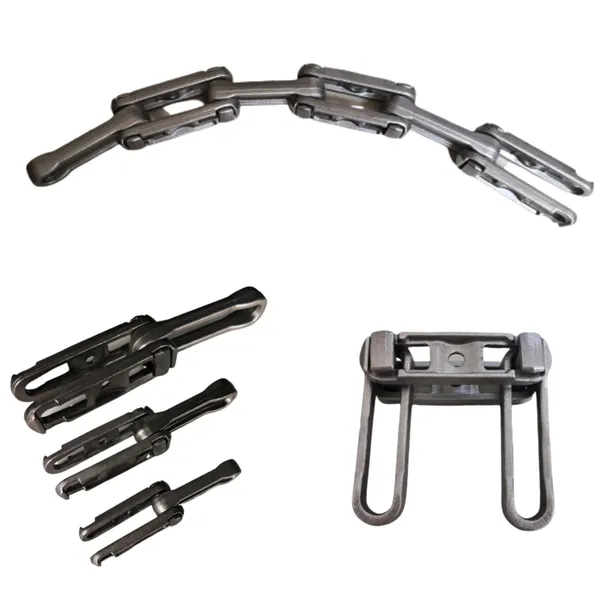
The drop forged chains made of heat treated high grade alloy steel.
1) X348,X458,X678,H698,9118,P1
| Vật liệu: | 40cr, 20mncr5, 20cr Mn Ti, 42CrMo4 SCR440 |
|---|---|
| Kết cấu: | Forging |
| Xử lý bề mặt: | Shot Blasting |
| Kích thước dây chuyền: | P:150mm |
| Feature: | Heat Resistant, Forging |
| Transport Package: | Wooden Case |
| Mẫu: | US$ 50/Meter 1 mét (Số lượng đặt hàng tối thiểu) | |
|---|
| Tùy chỉnh: | Có sẵn | Yêu cầu tùy chỉnh |
|---|
Can a conveyor chain be used in cleanroom environments?
Yes, conveyor chains can be used in cleanroom environments with proper selection and design considerations. Cleanroom environments require stringent control of airborne particles, such as dust, microbes, and contaminants, to maintain high levels of cleanliness. Here are some factors to consider when using a conveyor chain in a cleanroom:
1. Material Selection:
– Choose a conveyor chain made from materials that are compatible with cleanroom requirements. Stainless steel, plastic, or special coatings are commonly used for their clean and non-contaminating properties.
– Avoid materials that generate excessive particles or contaminants, such as certain types of lubricants or chain coatings.
2. Design Considerations:
– Design the conveyor chain system to minimize particle generation. This includes smooth surfaces, rounded edges, and avoiding areas that can trap or accumulate particles.
– Use sealed or enclosed chain designs to prevent the release of lubricants or contaminants.
– Consider the integration of additional features, such as covers or guards, to further protect the chain and prevent particle ingress.
3. Cleaning and Maintenance:
– Establish a cleaning and maintenance protocol specific to the cleanroom environment. This may include regular cleaning and sanitization procedures to maintain cleanliness standards.
– Use cleaning agents and procedures that are approved for cleanroom use and do not introduce contaminants.
– Regularly inspect the conveyor chain system for any signs of wear, damage, or contamination. Promptly address any issues to ensure the chain’s reliability and cleanliness.
4. Compliance with Cleanroom Standards:
– Ensure that the conveyor chain system meets the cleanliness and particle generation requirements of the specific cleanroom standards or classifications in which it will be used.
– Comply with relevant industry guidelines and regulations, such as ISO standards, when selecting and using conveyor chains in cleanroom environments.
By considering these factors and implementing proper material selection, design considerations, cleaning protocols, and compliance with cleanroom standards, a conveyor chain can be effectively used in cleanroom environments while maintaining the required cleanliness levels.
Hệ thống băng tải tác động như thế nào đến dòng chảy vật liệu trong dây chuyền sản xuất?
Hệ thống băng tải đóng vai trò quan trọng trong việc tạo điều kiện cho dòng chảy vật liệu trơn tru và hiệu quả trong dây chuyền sản xuất. Dưới đây là những cách chính mà hệ thống băng tải ảnh hưởng đến dòng chảy vật liệu:
1. Chuyển động liên tục: Hệ thống băng tải xích cho phép vận chuyển vật liệu liên tục dọc theo dây chuyền sản xuất. Bằng cách giữ và vận chuyển vật liệu một cách an toàn, hệ thống xích đảm bảo dòng chảy ổn định mà không bị gián đoạn hoặc chậm trễ.
2. Điều khiển tốc độ: Tốc độ di chuyển của băng tải có thể được điều chỉnh để phù hợp với tốc độ sản xuất mong muốn. Điều này cho phép kiểm soát chính xác dòng chảy vật liệu, đảm bảo sự đồng bộ với các quy trình tiếp theo và tránh tắc nghẽn hoặc quá tải.
3. Định hướng và Định vị: Các dây chuyền băng tải có thể được thiết kế với các phụ kiện hoặc đồ gá cụ thể để định hướng và định vị vật liệu theo cách mong muốn. Điều này đảm bảo vật liệu được đưa đến đúng vị trí để xử lý, lắp ráp hoặc đóng gói, tối ưu hóa toàn bộ quy trình sản xuất.
4. Phân loại và phân nhánh: Trong một số ứng dụng, xích băng tải có thể được trang bị các cơ cấu để phân loại hoặc phân nhánh vật liệu dựa trên các tiêu chí đã được xác định trước. Điều này cho phép định tuyến hiệu quả các sản phẩm hoặc linh kiện khác nhau đến các điểm đến tương ứng, giúp tối ưu hóa dòng chảy vật liệu.
5. Tích trữ và đệm: Hệ thống băng tải có thể tích hợp các khu vực tích trữ hoặc khu vực đệm, nơi vật liệu có thể tạm dừng hoặc tích tụ. Tính năng này hữu ích khi các quy trình tiếp theo gặp sự cố tạm thời hoặc khi cần cân bằng lưu lượng giữa các giai đoạn sản xuất khác nhau.
6. Tích hợp với thiết bị: Hệ thống băng tải có thể được tích hợp với các thiết bị hoặc máy móc khác trong dây chuyền sản xuất, chẳng hạn như cánh tay robot, hệ thống đóng gói tự động hoặc trạm kiểm tra. Sự tích hợp liền mạch này cho phép xử lý vật liệu đồng bộ, tối ưu hóa luồng và hiệu quả của toàn bộ quy trình sản xuất.
7. Tùy chỉnh cho nhu cầu cụ thể: Xích băng tải có thể được tùy chỉnh để đáp ứng các yêu cầu xử lý vật liệu cụ thể. Điều này bao gồm các yếu tố như chiều rộng, chiều dài, điều chỉnh chiều cao của xích, độ dốc lên hoặc xuống, và các phụ kiện hoặc dẫn hướng chuyên dụng. Việc tùy chỉnh như vậy đảm bảo rằng dòng chảy vật liệu được điều chỉnh phù hợp với nhu cầu riêng của dây chuyền sản xuất.
Bằng cách cung cấp phương pháp vận chuyển vật liệu đáng tin cậy và được kiểm soát, hệ thống băng tải xích có ảnh hưởng đáng kể đến dòng chảy vật liệu trong dây chuyền sản xuất. Nó giúp tăng năng suất, giảm thao tác thủ công, giảm thiểu rủi ro sai sót hoặc hư hỏng, và cuối cùng góp phần vào hiệu quả và sự thành công chung của quy trình sản xuất.
How do you optimize the efficiency of a conveyor chain system?
To optimize the efficiency of a conveyor chain system, several factors should be considered and implemented:
1. System Design: Ensure that the conveyor system is properly designed to minimize energy losses, reduce friction, and optimize material flow. Consider factors such as conveyor length, incline/decline angles, and the number and placement of drive units to achieve efficient operation.
2. Chain Selection: Select the appropriate conveyor chain based on the specific application requirements, such as load capacity, speed, and environmental conditions. Consider factors like chain material, pitch, and strength to ensure optimal performance and longevity.
3. Lubrication: Proper lubrication of the conveyor chain is essential for reducing friction, wear, and power consumption. Choose the right lubricant for the application and regularly maintain the lubrication levels to ensure smooth chain operation.
4. Tensioning and Alignment: Regularly inspect and adjust the tension and alignment of the conveyor chain to prevent excessive slack or tightness. Proper tensioning and alignment help to minimize chain wear, reduce energy losses, and ensure consistent performance.
5. Preventive Maintenance: Implement a regular maintenance program to identify and address potential issues before they escalate. This includes cleaning the chain, inspecting sprockets and guides, replacing worn components, and checking for proper tension and alignment. A well-maintained system reduces downtime and extends the life of the chain.
6. System Monitoring: Utilize monitoring tools such as sensors, cameras, or automated systems to track the performance of the conveyor chain system. Monitoring can provide valuable data on chain tension, alignment, speed, and power consumption, allowing for timely adjustments and optimization.
7. Training and Operator Awareness: Train operators on best practices for operating and maintaining the conveyor chain system. Promote awareness of energy efficiency, proper handling, and safety protocols to ensure optimal system performance.
By considering these factors and implementing appropriate measures, the efficiency of a conveyor chain system can be optimized, leading to improved productivity, reduced energy consumption, and longer chain life.


editor by CX 2023-09-05