Den ultimata guiden till ugnskedjematerial
What is a Pin Oven Chain?
Pin oven chains represent a pivotal component in various industrial applications, particularly in the heat treatment processes, food processing, and manufacturing sectors. These chains are designed to transport items through high-temperature environments, making them indispensable for operations that require precise temperature control and reliability.
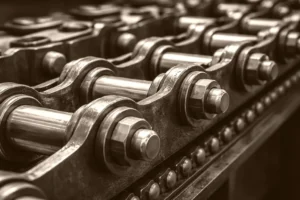
A pin oven chain operates on the principle of linking multiple segments together through individual pins, which allows for flexibility and durability under extreme conditions. The design is such that each pin acts as a hinge, enabling the chain to navigate around pulleys and sprockets while maintaining its structural integrity. This mechanism is crucial when considering the operational demands of industries that utilize ovens for curing, baking, or drying processes.
Applications and Importance
Food Processing
In the food processing sector, pin oven chains are integral for transporting products through various stages of cooking and curing. Their ability to operate effectively at elevated temperatures makes them ideal for use in ovens designed for baking bread, cooking pastries, or drying meat products. As food safety standards become more stringent, the choice of materials—such as food-grade stainless steel—ensures compliance with regulations while maintaining operational efficiency.
Manufacturing and Heat Treatment
In manufacturing settings, pin oven chains facilitate the heat treatment of metals, plastics, and other materials. This process is crucial for altering the physical properties of materials to enhance their performance characteristics. By providing consistent and reliable movement through tempering and annealing ovens, pin oven chains play a vital role in achieving desired material properties.
Pharmaceuticals and Chemicals
The pharmaceutical industry also relies on pin oven chains for the transport of materials through sterilization and drying processes. In this sector, the chain’s ability to maintain cleanliness and withstand chemical exposure is critical. Utilizing materials that offer resistance to heat and corrosion ensures that the integrity of sensitive products is preserved.
Maintenance and Care for Pin Oven Chains
Regular Inspections
Routine inspections are essential to ensure the longevity of pin oven chains. This includes checking for wear on the pins, links, and rollers, as any signs of degradation can lead to operational failures. Regular monitoring helps in identifying potential issues before they escalate, saving costs in the long run.
Lubrication Practices
Proper lubrication is key to minimizing friction and wear on the chain components. Depending on the material and application, different lubricants may be required to maintain optimal performance. In high-temperature environments, specialized high-temperature lubricants are recommended to avoid breakdown.
Replacement and Upgrades
Over time, the components of a pin oven chain may wear out and require replacement. Upgrading to newer materials or designs can enhance performance and efficiency. Consulting with manufacturers on the latest innovations in pin oven chains can lead to significant improvements in operational capabilities.
Innovations in Pin Oven Chain Technology
Advanced Materials
Recent advancements in materials science have led to the development of more resilient and efficient chains. Composite materials, such as high-performance polymers, are being explored for their lightweight and durable properties, which can significantly enhance performance in certain applications.
Smart Technology Integration
The integration of smart technologies into pin oven chain systems is on the rise. Sensors that monitor the condition of the chain, temperature, and operational efficiency can provide real-time data to operators. This information allows for proactive maintenance and improved decision-making, reducing downtime and increasing productivity.
Design Innovations
Innovative design approaches, such as modular chains that allow for easy customization and adaptation to different applications, are becoming increasingly popular. These designs enhance flexibility and can be tailored to specific industrial needs, providing further opportunities for efficiency gains.
Challenges and Considerations
Temperature Resistance
One of the primary challenges in the selection of pin oven chains is ensuring adequate temperature resistance. High-temperature environments can lead to material degradation if the wrong choice is made. Understanding the thermal limits of various materials is vital to avoid premature failure.
Corrosion and Wear
Corrosion is a significant concern, particularly in food processing and chemical applications. The choice of materials must consider the potential exposure to various corrosive agents. Implementing protective coatings or selecting corrosion-resistant materials can mitigate these risks.
Cost vs. Performance
Balancing cost with performance is a common dilemma for industries utilizing pin oven chains. While higher-quality materials and designs may come at a premium, the long-term benefits in terms of durability and efficiency can outweigh initial expenses.
In summary, the intricacies of pin oven chains involve various materials, designs, and applications that reflect the demands of modern industry. Understanding these nuances allows manufacturers to make informed decisions, enhancing operational efficiency and performance across sectors.
Case Study: The Transformation of Laser Cutting Efficiency with EP Air Compressors
Introduction to Laser Cutting and Air Compressors
Laser cutting is a sophisticated technique widely embraced in various industries, from automotive to aerospace. The precision and speed of this method have made it a preferred choice for manufacturers. However, to achieve optimal performance in laser cutting, the importance of an efficient air compressor cannot be understated. The EP Air Compressor has emerged as a vital component in this context, enhancing productivity and quality in the laser cutting process.
Understanding the Role of Air Compressors in Laser Cutting
In laser cutting operations, air compressors provide a crucial function. They supply the necessary air pressure to assist in the cutting process, ensuring that the material is adequately evacuated from the cutting area. The quality of the air supply directly influences the cutting speed, kerf width, and overall finish of the material.
Installation of the EP Air Compressor
The implementation of the EP Air Compressor involved several key steps. The facility’s existing air system required modifications to accommodate the new compressor while ensuring compatibility with the existing laser cutting machinery.
System Evaluation and Preparation
Prior to installation, a thorough evaluation of the existing systems took place. This assessment focused on the air distribution network, pressure requirements, and compatibility with the laser cutting equipment.
Testing and Calibration
Post-installation, rigorous testing was conducted. The air pressure was calibrated to meet the specific requirements of the laser cutting operations. This step was critical to ensure that the compressor could consistently deliver the required performance without fluctuations.
Impact on Cutting Operations
The enhanced performance metrics indicated a remarkable improvement in the laser cutting operations. The increased cutting speed translated to higher throughput, allowing the facility to meet growing demands. The superior air pressure provided by the EP Air Compressor ensured cleaner cuts, reducing post-processing work and enhancing overall product quality.
Long-Term Benefits of the EP Air Compressor
The long-term benefits of adopting the EP Air Compressor extend beyond immediate operational improvements.
Operational Efficiency
With the new compressor, the facility experienced a significant reduction in downtime. The reliability of the EP Air Compressor minimized the risk of unexpected failures, leading to a more streamlined production process.
Cost Savings
The reduction in energy consumption not only lowered operational costs but also contributed to a more sustainable manufacturing environment. Over time, the initial investment in the EP Air Compressor was offset by these savings, presenting a compelling case for its adoption.
Quality Assurance
Maintaining high-quality standards became more manageable with the consistent air supply. The improved material finish led to higher customer satisfaction and reduced returns, further solidifying the facility’s reputation in the market.
The case study of the EP Air Compressor highlights the profound impact that advanced air compressor technology can have on laser cutting operations. By addressing key performance metrics, the facility not only improved its efficiency but also elevated the quality of its products, demonstrating the essential role of innovation in manufacturing.
The journey from a standard air compressor to the EP Air Compressor showcases the importance of investing in the right technology to meet the evolving demands of the industry. As manufacturing continues to advance, the integration of high-performance equipment like the EP Air Compressor will remain pivotal in achieving excellence.
Case Study: The Transformation of Laser Cutting Efficiency with EP Air Compressors
Introduction to Laser Cutting and Air Compressors
Laser cutting is a sophisticated technique widely embraced in various industries, from automotive to aerospace. The precision and speed of this method have made it a preferred choice for manufacturers. However, to achieve optimal performance in laser cutting, the importance of an efficient air compressor cannot be understated. The EP Air Compressor has emerged as a vital component in this context, enhancing productivity and quality in the laser cutting process.
Understanding the Role of Air Compressors in Laser Cutting
In laser cutting operations, air compressors provide a crucial function. They supply the necessary air pressure to assist in the cutting process, ensuring that the material is adequately evacuated from the cutting area. The quality of the air supply directly influences the cutting speed, kerf width, and overall finish of the material.
Key Metrics Before Implementation
Before the deployment of the EP Air Compressor, a comparative analysis was conducted within a typical manufacturing facility. The facility utilized a standard air compressor, which produced inconsistent air pressure and varied flow rates.
– Cutting Speed: 500 mm/min
– Air Pressure: 5 bar
– Material Finish: Rough edges with significant slag
– Energy Consumption: 25 kW
These metrics indicated a need for improvement, particularly in cutting efficiency and material quality.
Installation of the EP Air Compressor
The implementation of the EP Air Compressor involved several key steps. The facility’s existing air system required modifications to accommodate the new compressor while ensuring compatibility with the existing laser cutting machinery.
System Evaluation and Preparation
Prior to installation, a thorough evaluation of the existing systems took place. This assessment focused on the air distribution network, pressure requirements, and compatibility with the laser cutting equipment.
Installation Process
The installation process was segmented into several phases:
1. Decommissioning the Old System: The initial step involved safely removing the existing air compressor while ensuring minimal disruption to ongoing operations.
2. Site Preparation: Modifications to the piping and electrical systems were made to facilitate the seamless integration of the EP Air Compressor.
3. Compressor Setup: The EP Air Compressor was installed, ensuring all connections were secure and operational.
Testing and Calibration
Post-installation, rigorous testing was conducted. The air pressure was calibrated to meet the specific requirements of the laser cutting operations. This step was critical to ensure that the compressor could consistently deliver the required performance without fluctuations.
Performance Metrics Post-Installation
Following the installation of the EP Air Compressor, a new set of performance metrics was established. The improvements were significant and quantifiable.
– Cutting Speed: Increased to 800 mm/min
– Air Pressure: Consistently maintained at 6 bar
– Material Finish: Smooth edges with minimal slag
– Energy Consumption: Reduced to 20 kW
Impact on Cutting Operations
The enhanced performance metrics indicated a remarkable improvement in the laser cutting operations. The increased cutting speed translated to higher throughput, allowing the facility to meet growing demands. The superior air pressure provided by the EP Air Compressor ensured cleaner cuts, reducing post-processing work and enhancing overall product quality.
Long-Term Benefits of the EP Air Compressor
The long-term benefits of adopting the EP Air Compressor extend beyond immediate operational improvements.
Operational Efficiency
With the new compressor, the facility experienced a significant reduction in downtime. The reliability of the EP Air Compressor minimized the risk of unexpected failures, leading to a more streamlined production process.
Cost Savings
The reduction in energy consumption not only lowered operational costs but also contributed to a more sustainable manufacturing environment. Over time, the initial investment in the EP Air Compressor was offset by these savings, presenting a compelling case for its adoption.
Quality Assurance
Maintaining high-quality standards became more manageable with the consistent air supply. The improved material finish led to higher customer satisfaction and reduced returns, further solidifying the facility’s reputation in the market.
Case Study: The Transformation of Laser Cutting Efficiency with EP Air Compressors
Introduction to Laser Cutting and Air Compressors
Laser cutting is a sophisticated technique widely embraced in various industries, from automotive to aerospace. The precision and speed of this method have made it a preferred choice for manufacturers. However, to achieve optimal performance in laser cutting, the importance of an efficient air compressor cannot be understated. The EP Air Compressor has emerged as a vital component in this context, enhancing productivity and quality in the laser cutting process.
Understanding the Role of Air Compressors in Laser Cutting
In laser cutting operations, air compressors provide a crucial function. They supply the necessary air pressure to assist in the cutting process, ensuring that the material is adequately evacuated from the cutting area. The quality of the air supply directly influences the cutting speed, kerf width, and overall finish of the material.
Key Metrics Before Implementation
Before the deployment of the EP Air Compressor, a comparative analysis was conducted within a typical manufacturing facility. The facility utilized a standard air compressor, which produced inconsistent air pressure and varied flow rates.
- Cutting Speed: 500 mm/min
- Air Pressure: 5 bar
- Material Finish: Rough edges with significant slag
- Energy Consumption: 25 kW
These metrics indicated a need for improvement, particularly in cutting efficiency and material quality.
Installation of the EP Air Compressor
The implementation of the EP Air Compressor involved several key steps. The facility’s existing air system required modifications to accommodate the new compressor while ensuring compatibility with the existing laser cutting machinery.
System Evaluation and Preparation
Prior to installation, a thorough evaluation of the existing systems took place. This assessment focused on the air distribution network, pressure requirements, and compatibility with the laser cutting equipment.
Installation Process
The installation process was segmented into several phases:
- Decommissioning the Old System: The initial step involved safely removing the existing air compressor while ensuring minimal disruption to ongoing operations.
- Site Preparation: Modifications to the piping and electrical systems were made to facilitate the seamless integration of the EP Air Compressor.
- Compressor Setup: The EP Air Compressor was installed, ensuring all connections were secure and operational.
Testing and Calibration
Post-installation, rigorous testing was conducted. The air pressure was calibrated to meet the specific requirements of the laser cutting operations. This step was critical to ensure that the compressor could consistently deliver the required performance without fluctuations.
Performance Metrics Post-Installation
Following the installation of the EP Air Compressor, a new set of performance metrics was established. The improvements were significant and quantifiable.
- Cutting Speed: Increased to 800 mm/min
- Air Pressure: Consistently maintained at 6 bar
- Material Finish: Smooth edges with minimal slag
- Energy Consumption: Reduced to 20 kW
Impact on Cutting Operations
The enhanced performance metrics indicated a remarkable improvement in the laser cutting operations. The increased cutting speed translated to higher throughput, allowing the facility to meet growing demands. The superior air pressure provided by the EP Air Compressor ensured cleaner cuts, reducing post-processing work and enhancing overall product quality.
Long-Term Benefits of the EP Air Compressor
The long-term benefits of adopting the EP Air Compressor extend beyond immediate operational improvements.
Operational Efficiency
With the new compressor, the facility experienced a significant reduction in downtime. The reliability of the EP Air Compressor minimized the risk of unexpected failures, leading to a more streamlined production process.
Cost Savings
The reduction in energy consumption not only lowered operational costs but also contributed to a more sustainable manufacturing environment. Over time, the initial investment in the EP Air Compressor was offset by these savings, presenting a compelling case for its adoption.
Quality Assurance
Maintaining high-quality standards became more manageable with the consistent air supply. The improved material finish led to higher customer satisfaction and reduced returns, further solidifying the facility’s reputation in the market.
Case Study: The Transformation of Laser Cutting Efficiency with EP Air Compressors
Introduction to Laser Cutting and Air Compressors
Laser cutting is a sophisticated technique widely embraced in various industries, from automotive to aerospace. The precision and speed of this method have made it a preferred choice for manufacturers. However, to achieve optimal performance in laser cutting, the importance of an efficient air compressor cannot be understated. The EP Air Compressor has emerged as a vital component in this context, enhancing productivity and quality in the laser cutting process.
Understanding the Role of Air Compressors in Laser Cutting
In laser cutting operations, air compressors provide a crucial function. They supply the necessary air pressure to assist in the cutting process, ensuring that the material is adequately evacuated from the cutting area. The quality of the air supply directly influences the cutting speed, kerf width, and overall finish of the material.
Key Metrics Before Implementation
Before the deployment of the EP Air Compressor, a comparative analysis was conducted within a typical manufacturing facility. The facility utilized a standard air compressor, which produced inconsistent air pressure and varied flow rates.
- Cutting Speed: 500 mm/min
- Air Pressure: 5 bar
- Material Finish: Rough edges with significant slag
- Energy Consumption: 25 kW
These metrics indicated a need for improvement, particularly in cutting efficiency and material quality.
Installation of the EP Air Compressor
The implementation of the EP Air Compressor involved several key steps. The facility’s existing air system required modifications to accommodate the new compressor while ensuring compatibility with the existing laser cutting machinery.
System Evaluation and Preparation
Prior to installation, a thorough evaluation of the existing systems took place. This assessment focused on the air distribution network, pressure requirements, and compatibility with the laser cutting equipment.
Installation Process
The installation process was segmented into several phases:
- Decommissioning the Old System: The initial step involved safely removing the existing air compressor while ensuring minimal disruption to ongoing operations.
- Site Preparation: Modifications to the piping and electrical systems were made to facilitate the seamless integration of the EP Air Compressor.
- Compressor Setup: The EP Air Compressor was installed, ensuring all connections were secure and operational.
Testing and Calibration
Post-installation, rigorous testing was conducted. The air pressure was calibrated to meet the specific requirements of the laser cutting operations. This step was critical to ensure that the compressor could consistently deliver the required performance without fluctuations.
Performance Metrics Post-Installation
Following the installation of the EP Air Compressor, a new set of performance metrics was established. The improvements were significant and quantifiable.
- Cutting Speed: Increased to 800 mm/min
- Air Pressure: Consistently maintained at 6 bar
- Material Finish: Smooth edges with minimal slag
- Energy Consumption: Reduced to 20 kW
Impact on Cutting Operations
The enhanced performance metrics indicated a remarkable improvement in the laser cutting operations. The increased cutting speed translated to higher throughput, allowing the facility to meet growing demands. The superior air pressure provided by the EP Air Compressor ensured cleaner cuts, reducing post-processing work and enhancing overall product quality.
Long-Term Benefits of the EP Air Compressor
The long-term benefits of adopting the EP Air Compressor extend beyond immediate operational improvements.
Operational Efficiency
With the new compressor, the facility experienced a significant reduction in downtime. The reliability of the EP Air Compressor minimized the risk of unexpected failures, leading to a more streamlined production process.
Cost Savings
The reduction in energy consumption not only lowered operational costs but also contributed to a more sustainable manufacturing environment. Over time, the initial investment in the EP Air Compressor was offset by these savings, presenting a compelling case for its adoption.
Quality Assurance
Maintaining high-quality standards became more manageable with the consistent air supply. The improved material finish led to higher customer satisfaction and reduced returns, further solidifying the facility’s reputation in the market.