
What is a Pin Oven Chain?
Introduction to Pin Oven Chains
Pin oven chains are crucial components in various manufacturing processes, particularly in industries that require consistent heat application to products. They are specially designed to transport materials through high-temperature environments, such as ovens and dryers, ensuring that the products undergo the necessary processes without compromising their quality. The design and functionality of pin oven chains enable them to withstand harsh conditions while maintaining reliability and efficiency.
The Basic Structure of Pin Oven Chains
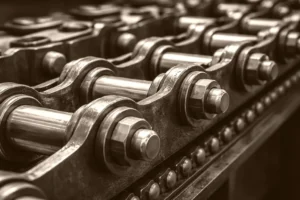
At its core, a pin oven chain consists of a series of interlinked segments that form a continuous loop. Each segment is equipped with pins or attachments that hold the product in place as it moves through the heating chamber. The materials used in manufacturing these chains are typically high-grade steel or specialized alloys, designed to resist wear and corrosion at elevated temperatures.
Why are Pin Oven Chains Important?
In manufacturing lines, the efficiency of heat transfer and product movement is paramount. Pin oven chains facilitate this process by ensuring that products are evenly distributed within the oven, maximizing exposure to heat while minimizing the risk of overheating or undercooking.
Key Characteristics of Quality Pin Oven Chains
When selecting a pin oven chain, several factors must be considered to ensure the chain meets the specific requirements of the manufacturing process.
Durability and Wear Resistance
Quality pin oven chains are constructed from materials that resist wear over time. This durability is critical in environments where the chain experiences high temperatures and heavy loads. Look for chains made from alloys that are designed to endure thermal stress.
Temperature Tolerance
Different manufacturing processes operate at varying temperature ranges. It’s vital to choose a pin oven chain that can withstand the maximum temperature your process requires. Manufacturers typically provide specifications that detail the operational temperature limits of their chains.
Load Capacity
Each pin oven chain has a specified load capacity. This is the maximum weight the chain can transport without failing. Assess the weight of the products you intend to move through the oven to select a chain that matches or exceeds this requirement.
Compatibility with Existing Equipment
Ensure the pin oven chain is compatible with your current machinery. This includes checking the dimensions, linkage styles, and any specific attachment requirements that may be needed for your manufacturing setup.
Ease of Maintenance
A chain that is easy to maintain will save time and reduce costs in the long run. Look for features such as self-lubricating materials or designs that allow for quick disassembly and cleaning.
How to Choose the Right Pin Oven Chain for Your Manufacturing Line
Selecting the appropriate pin oven chain requires careful consideration of several factors to ensure optimal performance and longevity.
Assess Your Manufacturing Needs
Begin by analyzing the specific requirements of your production process. Consider the type of products you will be transporting, the temperatures involved, and the duration of exposure to heat. This analysis will help you narrow down your options.
Consult Manufacturer Specifications
Once you have a clear understanding of your needs, consult with manufacturers. They can provide technical specifications and recommendations based on your requirements. Take the time to compare different products and their features.
Evaluate Chain Material
The material of the pin oven chain significantly affects its performance. Look for chains made from high-temperature resistant materials, such as stainless steel or specialized heat-resistant alloys. Assess the trade-offs between initial costs and long-term durability.
Consider Custom Solutions
In some cases, standard pin oven chains may not meet your specific needs. Many manufacturers offer customization options that allow you to tailor the chain to your exact specifications, ensuring an optimal fit for your production line.
Review Warranty and Support
Lastly, consider the warranty and customer support offered by the manufacturer. A robust warranty can provide peace of mind and indicate the manufacturer’s confidence in their product’s quality. Additionally, having accessible customer support can assist with any operational challenges that may arise.
Maintaining Your Pin Oven Chain
Proper maintenance of pin oven chains is essential to prolonging their lifespan and ensuring efficient operation. Regular inspection and maintenance can prevent costly downtime and product loss.
Regular Inspections
Conduct routine inspections to identify any signs of wear or damage. Look for frayed links, rust, or any misalignment that could lead to chain failure. Early detection is critical in addressing issues before they escalate.
Cleaning and Lubrication
Maintaining cleanliness is vital, particularly in food processing applications. Ensure that the chain is free from residues that could affect product quality. Lubrication should also be performed according to the manufacturer’s recommendations to prevent friction and wear.
Replacement Timing
Know when to replace your pin oven chain. If the chain shows significant wear, or if you notice a decline in performance, it may be more cost-effective to replace it than to continue repairs.
Future Trends in Pin Oven Chain Technology
As industries evolve, so too do the technologies surrounding pin oven chains. Emerging trends indicate a growing interest in advanced materials and designs that improve performance and efficiency.
Smart Technology Integration
With the rise of Industry 4.0, integrating smart technology into pin oven chains is becoming more common. Sensors and monitoring systems can provide real-time data on chain performance, helping to optimize operations and predict maintenance needs.
Enhanced Materials
Research into new materials that offer improved heat resistance and wear characteristics is ongoing. These advancements promise longer-lasting chains that can withstand harsher environments and reduce the overall cost of ownership.
Eco-Friendly Solutions
As industries become more environmentally conscious, there is a push for sustainable manufacturing practices. This includes the development of eco-friendly materials for pin oven chains that reduce environmental impact without sacrificing performance.
Final Thoughts on Pin Oven Chains
The role of pin oven chains in manufacturing processes cannot be overstated. They are integral to ensuring product quality in high-temperature environments. By understanding the intricacies of these chains and how to select the right one for your needs, businesses can enhance their manufacturing efficiency, reduce downtime, and ensure the long-term success of their operations.
Innovative Applications of the EP-9YG-2.24D Round Baler S9000 in Modern Agriculture
Introduction to the Round Baling Revolution
The agricultural landscape is evolving, heavily influenced by technological advancements. The EP-9YG-2.24D Round Baler S9000 represents a significant leap in efficiency and productivity. Prior to its introduction, farmers often grappled with the inefficiencies of traditional baling methods, which were time-consuming and labor-intensive. The advent of this cutting-edge baler has transformed the way farmers harvest and store silage.
Before Implementation: Traditional Baling Methods
Historically, the conventional approach to baling involved the use of square balers, which required extensive manual labor and could only produce a limited quantity of bales in a given timeframe. The average output for traditional balers hovered around 30-50 bales per hour, depending on the type of crop and weather conditions.
The EP-9YG-2.24D Round Baler S9000: Features and Specifications
The EP-9YG-2.24D Round Baler S9000 sets a new standard with its advanced features designed to enhance productivity.
Technological Integration
The S9000 incorporates smart technology that monitors crop conditions and adjusts settings in real-time. This feature not only optimizes the baling process but also ensures a consistent quality of silage, reducing spoilage and maximizing nutritional value.
Comparative Data: Traditional vs. Modern Baling
To highlight the transformative impact of the EP-9YG-2.24D, a comparative analysis of key performance indicators can be beneficial.
This stark contrast demonstrates not only the efficiency of the new baler but also the potential for cost savings through reduced labor requirements and faster processing times.
Installation Process of the EP-9YG-2.24D Round Baler S9000
Understanding the installation process is vital for farmers looking to transition to this innovative equipment. The installation of the S9000 can be summarized in a few critical phases.
Preparation Phase
Before installation, it is essential to assess the tractor compatibility. The S9000 requires a minimum horsepower of 70 for optimal performance.
Initial Testing
After installation, conduct a preliminary test run. This phase involves checking for proper operation and making necessary adjustments based on performance feedback.
Real-World Case Study: Farm X’s Transition to the S9000
Farm X, a mid-sized agricultural operation focused on dairy production, underwent a significant transition after implementing the EP-9YG-2.24D Round Baler S9000.
Initial Challenges
Before adopting the S9000, Farm X relied heavily on outdated square baling methods. The inefficiencies led to delays in silage availability, ultimately impacting the dairy herd’s productivity.
Implementation Experience
Upon installation of the S9000, the farm manager noted immediate improvements. The first major field harvested yielded over 200 bales in a single afternoon, a remarkable feat compared to the usual four-day process.
Long-Term Benefits of the EP-9YG-2.24D Round Baler S9000
Investing in the S9000 extends beyond immediate operational improvements. The long-term benefits are multifaceted, impacting not only productivity but also farm sustainability.
Economic Advantages
The reduction in labor costs and the increase in output create a positive ripple effect on the farm’s profitability. Over time, the initial investment in the S9000 is expected to be recouped through increased efficiency.
Sustainability Considerations
With enhanced silage quality, the nutritional value for livestock improves, leading to healthier animals and increased milk production. Additionally, the efficient use of resources contributes to a more sustainable farming operation.
Conclusion: The Future of Baling Technology
As agriculture continues to evolve, the need for innovative solutions like the EP-9YG-2.24D Round Baler S9000 will only grow. The implications for efficiency, sustainability, and profitability are profound, marking a new era in agricultural practices.
Innovative Applications of the EP-9YG-2.24D Round Baler S9000 in Modern Agriculture
Introduction to the Round Baling Revolution
The agricultural landscape is evolving, heavily influenced by technological advancements. The EP-9YG-2.24D Round Baler S9000 represents a significant leap in efficiency and productivity. Prior to its introduction, farmers often grappled with the inefficiencies of traditional baling methods, which were time-consuming and labor-intensive. The advent of this cutting-edge baler has transformed the way farmers harvest and store silage.
Before Implementation: Traditional Baling Methods
Historically, the conventional approach to baling involved the use of square balers, which required extensive manual labor and could only produce a limited quantity of bales in a given timeframe. The average output for traditional balers hovered around 30-50 bales per hour, depending on the type of crop and weather conditions.
Efficiency Metrics of Traditional Methods
The statistics surrounding traditional baling methods reveal a stark contrast to modern solutions. On average:
- Bale Weight: Traditional square bales ranged from 40 to 100 pounds.
- Labor Requirements: Up to three workers were needed to operate the baler and stack the bales effectively.
- Time Consumption: For a 100-acre field, the baling process could extend over several days, leading to delays in feed availability.
Given these limitations, it was clear that a more efficient solution was necessary to meet the growing demands of modern agriculture.
The EP-9YG-2.24D Round Baler S9000: Features and Specifications
The EP-9YG-2.24D Round Baler S9000 sets a new standard with its advanced features designed to enhance productivity.
Key Specifications
- Bale Diameter: Adjustable between 36 to 72 inches, allowing flexibility based on crop type.
- Output Capacity: Capable of producing up to 90 bales per hour, significantly reducing operational time.
- Weight of Bales: Each round bale can weigh between 800 to 1,200 pounds, maximizing storage efficiency.
- Automation Level: Integrated sensors for automatic tension adjustment and bale wrapping.
Technological Integration
The S9000 incorporates smart technology that monitors crop conditions and adjusts settings in real-time. This feature not only optimizes the baling process but also ensures a consistent quality of silage, reducing spoilage and maximizing nutritional value.
Comparative Data: Traditional vs. Modern Baling
To highlight the transformative impact of the EP-9YG-2.24D, a comparative analysis of key performance indicators can be beneficial.
Efficiency Metrics Comparison
| Metric | Traditional Baler | EP-9YG-2.24D Round Baler S9000 |
|---|---|---|
| Average Output (bales/hour) | 30-50 | 90 |
| Labor Requirement (workers) | 3 | 1 |
| Time for 100 acres | Several days | 1 day |
| Average Bale Weight | 40-100 lbs | 800-1,200 lbs |
This stark contrast demonstrates not only the efficiency of the new baler but also the potential for cost savings through reduced labor requirements and faster processing times.
Installation Process of the EP-9YG-2.24D Round Baler S9000
Understanding the installation process is vital for farmers looking to transition to this innovative equipment. The installation of the S9000 can be summarized in a few critical phases.
Preparation Phase
Before installation, it is essential to assess the tractor compatibility. The S9000 requires a minimum horsepower of 70 for optimal performance.
Setup and Calibration
- Mounting the Baler: Securely attach the baler to the tractor using the standard three-point hitch system.
- Hydraulic Connections: Connect the hydraulic lines, ensuring all fittings are tight to prevent leaks.
- Calibration: Adjust the baler settings according to the crop type and moisture levels.
Initial Testing
After installation, conduct a preliminary test run. This phase involves checking for proper operation and making necessary adjustments based on performance feedback.
Real-World Case Study: Farm X’s Transition to the S9000
Farm X, a mid-sized agricultural operation focused on dairy production, underwent a significant transition after implementing the EP-9YG-2.24D Round Baler S9000.
Initial Challenges
Before adopting the S9000, Farm X relied heavily on outdated square baling methods. The inefficiencies led to delays in silage availability, ultimately impacting the dairy herd’s productivity.
Implementation Experience
Upon installation of the S9000, the farm manager noted immediate improvements. The first major field harvested yielded over 200 bales in a single afternoon, a remarkable feat compared to the usual four-day process.
Performance Metrics Post-Implementation
Post-implementation analysis revealed:
- Increased Output: A 60% increase in daily output.
- Reduced Labor Costs: Labor requirements decreased from three workers to one.
- Improved Silage Quality: Enhanced preservation of nutrients within the bales.
These results not only validated the investment in the S9000 but also positioned Farm X as a leader in efficient dairy production.
Long-Term Benefits of the EP-9YG-2.24D Round Baler S9000
Investing in the S9000 extends beyond immediate operational improvements. The long-term benefits are multifaceted, impacting not only productivity but also farm sustainability.
Economic Advantages
The reduction in labor costs and the increase in output create a positive ripple effect on the farm’s profitability. Over time, the initial investment in the S9000 is expected to be recouped through increased efficiency.
Sustainability Considerations
With enhanced silage quality, the nutritional value for livestock improves, leading to healthier animals and increased milk production. Additionally, the efficient use of resources contributes to a more sustainable farming operation.
Innovative Applications of the EP-9YG-2.24D Round Baler S9000 in Modern Agriculture
Introduction to the Round Baling Revolution
The agricultural landscape is evolving, heavily influenced by technological advancements. The EP-9YG-2.24D Round Baler S9000 represents a significant leap in efficiency and productivity. Prior to its introduction, farmers often grappled with the inefficiencies of traditional baling methods, which were time-consuming and labor-intensive. The advent of this cutting-edge baler has transformed the way farmers harvest and store silage.
Before Implementation: Traditional Baling Methods
Historically, the conventional approach to baling involved the use of square balers, which required extensive manual labor and could only produce a limited quantity of bales in a given timeframe. The average output for traditional balers hovered around 30-50 bales per hour, depending on the type of crop and weather conditions.
Efficiency Metrics of Traditional Methods
The statistics surrounding traditional baling methods reveal a stark contrast to modern solutions. On average:
- Bale Weight: Traditional square bales ranged from 40 to 100 pounds.
- Labor Requirements: Up to three workers were needed to operate the baler and stack the bales effectively.
- Time Consumption: For a 100-acre field, the baling process could extend over several days, leading to delays in feed availability.
Given these limitations, it was clear that a more efficient solution was necessary to meet the growing demands of modern agriculture.
The EP-9YG-2.24D Round Baler S9000: Features and Specifications
The EP-9YG-2.24D Round Baler S9000 sets a new standard with its advanced features designed to enhance productivity.
Key Specifications
- Bale Diameter: Adjustable between 36 to 72 inches, allowing flexibility based on crop type.
- Output Capacity: Capable of producing up to 90 bales per hour, significantly reducing operational time.
- Weight of Bales: Each round bale can weigh between 800 to 1,200 pounds, maximizing storage efficiency.
- Automation Level: Integrated sensors for automatic tension adjustment and bale wrapping.
Technological Integration
The S9000 incorporates smart technology that monitors crop conditions and adjusts settings in real-time. This feature not only optimizes the baling process but also ensures a consistent quality of silage, reducing spoilage and maximizing nutritional value.
Comparative Data: Traditional vs. Modern Baling
To highlight the transformative impact of the EP-9YG-2.24D, a comparative analysis of key performance indicators can be beneficial.
Efficiency Metrics Comparison
| Metric | Traditional Baler | EP-9YG-2.24D Round Baler S9000 |
|---|---|---|
| Average Output (bales/hour) | 30-50 | 90 |
| Labor Requirement (workers) | 3 | 1 |
| Time for 100 acres | Several days | 1 day |
| Average Bale Weight | 40-100 lbs | 800-1,200 lbs |
This stark contrast demonstrates not only the efficiency of the new baler but also the potential for cost savings through reduced labor requirements and faster processing times.
Installation Process of the EP-9YG-2.24D Round Baler S9000
Understanding the installation process is vital for farmers looking to transition to this innovative equipment. The installation of the S9000 can be summarized in a few critical phases.
Preparation Phase
Before installation, it is essential to assess the tractor compatibility. The S9000 requires a minimum horsepower of 70 for optimal performance.
Setup and Calibration
- Mounting the Baler: Securely attach the baler to the tractor using the standard three-point hitch system.
- Hydraulic Connections: Connect the hydraulic lines, ensuring all fittings are tight to prevent leaks.
- Calibration: Adjust the baler settings according to the crop type and moisture levels.
Initial Testing
After installation, conduct a preliminary test run. This phase involves checking for proper operation and making necessary adjustments based on performance feedback.
Real-World Case Study: Farm X’s Transition to the S9000
Farm X, a mid-sized agricultural operation focused on dairy production, underwent a significant transition after implementing the EP-9YG-2.24D Round Baler S9000.
Initial Challenges
Before adopting the S9000, Farm X relied heavily on outdated square baling methods. The inefficiencies led to delays in silage availability, ultimately impacting the dairy herd’s productivity.
Implementation Experience
Upon installation of the S9000, the farm manager noted immediate improvements. The first major field harvested yielded over 200 bales in a single afternoon, a remarkable feat compared to the usual four-day process.
Performance Metrics Post-Implementation
Post-implementation analysis revealed:
- Increased Output: A 60% increase in daily output.
- Reduced Labor Costs: Labor requirements decreased from three workers to one.
- Improved Silage Quality: Enhanced preservation of nutrients within the bales.
These results not only validated the investment in the S9000 but also positioned Farm X as a leader in efficient dairy production.
Long-Term Benefits of the EP-9YG-2.24D Round Baler S9000
Investing in the S9000 extends beyond immediate operational improvements. The long-term benefits are multifaceted, impacting not only productivity but also farm sustainability.
Economic Advantages
The reduction in labor costs and the increase in output create a positive ripple effect on the farm’s profitability. Over time, the initial investment in the S9000 is expected to be recouped through increased efficiency.
Sustainability Considerations
With enhanced silage quality, the nutritional value for livestock improves, leading to healthier animals and increased milk production. Additionally, the efficient use of resources contributes to a more sustainable farming operation.
Innovative Applications of the EP-9YG-2.24D Round Baler S9000 in Modern Agriculture
Introduction to the Round Baling Revolution
The agricultural landscape is evolving, heavily influenced by technological advancements. The EP-9YG-2.24D Round Baler S9000 represents a significant leap in efficiency and productivity. Prior to its introduction, farmers often grappled with the inefficiencies of traditional baling methods, which were time-consuming and labor-intensive. The advent of this cutting-edge baler has transformed the way farmers harvest and store silage.
Before Implementation: Traditional Baling Methods
Historically, the conventional approach to baling involved the use of square balers, which required extensive manual labor and could only produce a limited quantity of bales in a given timeframe. The average output for traditional balers hovered around 30-50 bales per hour, depending on the type of crop and weather conditions.
Efficiency Metrics of Traditional Methods
The statistics surrounding traditional baling methods reveal a stark contrast to modern solutions. On average:
- Bale Weight: Traditional square bales ranged from 40 to 100 pounds.
- Labor Requirements: Up to three workers were needed to operate the baler and stack the bales effectively.
- Time Consumption: For a 100-acre field, the baling process could extend over several days, leading to delays in feed availability.
Given these limitations, it was clear that a more efficient solution was necessary to meet the growing demands of modern agriculture.
The EP-9YG-2.24D Round Baler S9000: Features and Specifications
The EP-9YG-2.24D Round Baler S9000 sets a new standard with its advanced features designed to enhance productivity.
Key Specifications
- Bale Diameter: Adjustable between 36 to 72 inches, allowing flexibility based on crop type.
- Output Capacity: Capable of producing up to 90 bales per hour, significantly reducing operational time.
- Weight of Bales: Each round bale can weigh between 800 to 1,200 pounds, maximizing storage efficiency.
- Automation Level: Integrated sensors for automatic tension adjustment and bale wrapping.
Technological Integration
The S9000 incorporates smart technology that monitors crop conditions and adjusts settings in real-time. This feature not only optimizes the baling process but also ensures a consistent quality of silage, reducing spoilage and maximizing nutritional value.
Comparative Data: Traditional vs. Modern Baling
To highlight the transformative impact of the EP-9YG-2.24D, a comparative analysis of key performance indicators can be beneficial.
Efficiency Metrics Comparison
| Metric | Traditional Baler | EP-9YG-2.24D Round Baler S9000 |
|---|---|---|
| Average Output (bales/hour) | 30-50 | 90 |
| Labor Requirement (workers) | 3 | 1 |
| Time for 100 acres | Several days | 1 day |
| Average Bale Weight | 40-100 lbs | 800-1,200 lbs |
This stark contrast demonstrates not only the efficiency of the new baler but also the potential for cost savings through reduced labor requirements and faster processing times.
Installation Process of the EP-9YG-2.24D Round Baler S9000
Understanding the installation process is vital for farmers looking to transition to this innovative equipment. The installation of the S9000 can be summarized in a few critical phases.
Preparation Phase
Before installation, it is essential to assess the tractor compatibility. The S9000 requires a minimum horsepower of 70 for optimal performance.
Setup and Calibration
- Mounting the Baler: Securely attach the baler to the tractor using the standard three-point hitch system.
- Hydraulic Connections: Connect the hydraulic lines, ensuring all fittings are tight to prevent leaks.
- Calibration: Adjust the baler settings according to the crop type and moisture levels.
Initial Testing
After installation, conduct a preliminary test run. This phase involves checking for proper operation and making necessary adjustments based on performance feedback.
Real-World Case Study: Farm X’s Transition to the S9000
Farm X, a mid-sized agricultural operation focused on dairy production, underwent a significant transition after implementing the EP-9YG-2.24D Round Baler S9000.
Initial Challenges
Before adopting the S9000, Farm X relied heavily on outdated square baling methods. The inefficiencies led to delays in silage availability, ultimately impacting the dairy herd’s productivity.
Implementation Experience
Upon installation of the S9000, the farm manager noted immediate improvements. The first major field harvested yielded over 200 bales in a single afternoon, a remarkable feat compared to the usual four-day process.
Performance Metrics Post-Implementation
Post-implementation analysis revealed:
- Increased Output: A 60% increase in daily output.
- Reduced Labor Costs: Labor requirements decreased from three workers to one.
- Improved Silage Quality: Enhanced preservation of nutrients within the bales.
These results not only validated the investment in the S9000 but also positioned Farm X as a leader in efficient dairy production.
Long-Term Benefits of the EP-9YG-2.24D Round Baler S9000
Investing in the S9000 extends beyond immediate operational improvements. The long-term benefits are multifaceted, impacting not only productivity but also farm sustainability.
Economic Advantages
The reduction in labor costs and the increase in output create a positive ripple effect on the farm’s profitability. Over time, the initial investment in the S9000 is expected to be recouped through increased efficiency.
Sustainability Considerations
With enhanced silage quality, the nutritional value for livestock improves, leading to healthier animals and increased milk production. Additionally, the efficient use of resources contributes to a more sustainable farming operation.