What is a Pin Oven Chain?
The pin oven chain is an essential component found in various industrial applications, particularly in the realm of food processing and manufacturing. This chain mechanism is designed to convey trays or racks through an oven, ensuring even heating and cooking of products. Unlike traditional conveyor belts, pin oven chains are characterized by their robust construction and versatility, making them ideal for high-temperature environments.
Historical Context
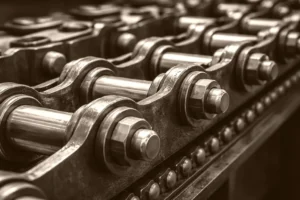
The inception of pin oven chains can be traced back to the necessity for efficient cooking processes in industrial kitchens. Initially, the focus was on simple conveyor mechanisms, but as demands for consistency and quality increased, the evolution towards pin oven chains began. These chains incorporate pins that allow for the secure attachment of trays, ensuring they remain stable as they traverse through heated zones.
Development and Innovations
Over the decades, advancements in materials and engineering techniques have significantly enhanced the performance and durability of pin oven chains. Modern iterations are often constructed from high-grade stainless steel, which not only improves resistance to corrosion but also enhances the chain’s ability to withstand extreme temperatures. The innovation of modular designs has also allowed for easier maintenance and repairs, ultimately leading to reduced downtime in production lines.
Components of a Pin Oven Chain
A comprehensive understanding of pin oven chains necessitates an examination of their key components. Each element plays a critical role in ensuring the chain operates effectively within its intended environment.
Pin Structure
The pins are a hallmark feature of the pin oven chain, designed to hold trays securely in place. They are typically manufactured from durable materials to withstand mechanical stress and thermal expansion. The spacing and arrangement of these pins are crucial, as they dictate the chain’s load capacity and overall functionality.
Links and Plates
Links and plates form the backbone of the pin oven chain. Each link is interconnected, allowing for flexibility while maintaining strength. Plates serve as the surface for the trays to rest upon; hence their design must be carefully engineered to ensure uniform heat distribution during the cooking process.
Operational Mechanism
The operational mechanism of a pin oven chain is fascinating, involving a symbiotic relationship between the chain and the oven’s heating elements. As the chain rotates, the trays attached to the pins glide through pre-determined temperature zones, where heat is applied from various directions, ensuring even cooking.
Temperature Control
Effective temperature control is paramount in the operation of pin oven chains. Advanced systems often incorporate sensors that monitor the temperature within the oven. These sensors can adjust the heating elements dynamically, ensuring that all trays receive consistent heat, which is crucial for products requiring precise cooking times.
Applications of Pin Oven Chains
Pin oven chains find utility across several industries, primarily due to their ability to handle high volumes and maintain product integrity. Their applications can be broadly categorized into several key areas.
Food Processing
In the food processing industry, pin oven chains are used to bake, roast, or dry products. Common examples include the baking of bread, pastries, and snacks, where uniform heating is critical to achieving the desired texture and flavor profiles.
Pharmaceuticals
Beyond food, pin oven chains are also utilized in the pharmaceutical sector for the drying and sterilization of various products. The ability to maintain specific temperature conditions ensures that the integrity of sensitive materials is preserved.
Maintenance and Inspection
Regular maintenance and inspection of pin oven chains are vital to their longevity and efficient operation. A structured approach can prevent potential failures that could lead to costly downtime.
Inspection Checklist
- Check for wear and tear on pins and links.
- Inspect the alignment of the chain to prevent misoperation.
- Ensure that all fasteners are tightened to the manufacturer’s specifications.
- Examine the lubrication points for sufficient oil or grease.
- Test the temperature sensors for accuracy.
- Review the overall cleanliness of the chain to avoid contamination.
Challenges in Pin Oven Chain Management
Despite their advantages, managing pin oven chains comes with its own set of challenges. Understanding these can help mitigate risks and enhance operational efficiency.
Heat Management
One of the primary challenges faced is managing the heat exposure of the chains themselves. Prolonged exposure to high temperatures can lead to material degradation, impacting performance and lifespan. Implementing cooling systems or timers can help alleviate this issue.
Load Capacity
Another concern is the load capacity of the chains. Overloading can not only damage the chain but also affect the quality of the product being processed. Proper training for operators on load management is essential to minimize risks.
Future Trends in Pin Oven Chain Technology
The future of pin oven chains is poised for innovation, with emerging technologies paving the way for more efficient designs and smarter operational capabilities. One trend is the integration of IoT (Internet of Things) technology, allowing for real-time monitoring and data analysis, which can enhance preventive maintenance protocols.
Smart Sensors
Smart sensors embedded within the chain can provide valuable insights into operational metrics, enabling predictive maintenance strategies. This shift from reactive to proactive management will likely reduce downtime and improve overall efficiency in production lines.
Sustainable Practices
Additionally, a growing emphasis on sustainability is shaping the future of manufacturing, including the development of eco-friendly materials for pin oven chains. These innovations will not only minimize environmental impact but also appeal to a broader market concerned with sustainable practices.
Case Study: The Transformation of Laser Cutting Efficiency with EP Air Compressors
Introduction to Laser Cutting and Air Compressors
Laser cutting is a sophisticated technique widely embraced in various industries, from automotive to aerospace. The precision and speed of this method have made it a preferred choice for manufacturers. However, to achieve optimal performance in laser cutting, the importance of an efficient air compressor cannot be understated. The EP Air Compressor has emerged as a vital component in this context, enhancing productivity and quality in the laser cutting process.
Understanding the Role of Air Compressors in Laser Cutting
In laser cutting operations, air compressors provide a crucial function. They supply the necessary air pressure to assist in the cutting process, ensuring that the material is adequately evacuated from the cutting area. The quality of the air supply directly influences the cutting speed, kerf width, and overall finish of the material.
Installation of the EP Air Compressor
The implementation of the EP Air Compressor involved several key steps. The facility’s existing air system required modifications to accommodate the new compressor while ensuring compatibility with the existing laser cutting machinery.
System Evaluation and Preparation
Prior to installation, a thorough evaluation of the existing systems took place. This assessment focused on the air distribution network, pressure requirements, and compatibility with the laser cutting equipment.
Testing and Calibration
Post-installation, rigorous testing was conducted. The air pressure was calibrated to meet the specific requirements of the laser cutting operations. This step was critical to ensure that the compressor could consistently deliver the required performance without fluctuations.
Impact on Cutting Operations
The enhanced performance metrics indicated a remarkable improvement in the laser cutting operations. The increased cutting speed translated to higher throughput, allowing the facility to meet growing demands. The superior air pressure provided by the EP Air Compressor ensured cleaner cuts, reducing post-processing work and enhancing overall product quality.
Long-Term Benefits of the EP Air Compressor
The long-term benefits of adopting the EP Air Compressor extend beyond immediate operational improvements.
Operational Efficiency
With the new compressor, the facility experienced a significant reduction in downtime. The reliability of the EP Air Compressor minimized the risk of unexpected failures, leading to a more streamlined production process.
Cost Savings
The reduction in energy consumption not only lowered operational costs but also contributed to a more sustainable manufacturing environment. Over time, the initial investment in the EP Air Compressor was offset by these savings, presenting a compelling case for its adoption.
Quality Assurance
Maintaining high-quality standards became more manageable with the consistent air supply. The improved material finish led to higher customer satisfaction and reduced returns, further solidifying the facility’s reputation in the market.
The case study of the EP Air Compressor highlights the profound impact that advanced air compressor technology can have on laser cutting operations. By addressing key performance metrics, the facility not only improved its efficiency but also elevated the quality of its products, demonstrating the essential role of innovation in manufacturing.
The journey from a standard air compressor to the EP Air Compressor showcases the importance of investing in the right technology to meet the evolving demands of the industry. As manufacturing continues to advance, the integration of high-performance equipment like the EP Air Compressor will remain pivotal in achieving excellence.
Case Study: The Transformation of Laser Cutting Efficiency with EP Air Compressors
Introduction to Laser Cutting and Air Compressors
Laser cutting is a sophisticated technique widely embraced in various industries, from automotive to aerospace. The precision and speed of this method have made it a preferred choice for manufacturers. However, to achieve optimal performance in laser cutting, the importance of an efficient air compressor cannot be understated. The EP Air Compressor has emerged as a vital component in this context, enhancing productivity and quality in the laser cutting process.
Understanding the Role of Air Compressors in Laser Cutting
In laser cutting operations, air compressors provide a crucial function. They supply the necessary air pressure to assist in the cutting process, ensuring that the material is adequately evacuated from the cutting area. The quality of the air supply directly influences the cutting speed, kerf width, and overall finish of the material.
Key Metrics Before Implementation
Before the deployment of the EP Air Compressor, a comparative analysis was conducted within a typical manufacturing facility. The facility utilized a standard air compressor, which produced inconsistent air pressure and varied flow rates.
- Cutting Speed: 500 mm/min
- Air Pressure: 5 bar
- Material Finish: Rough edges with significant slag
- Energy Consumption: 25 kW
These metrics indicated a need for improvement, particularly in cutting efficiency and material quality.
Installation of the EP Air Compressor
The implementation of the EP Air Compressor involved several key steps. The facility’s existing air system required modifications to accommodate the new compressor while ensuring compatibility with the existing laser cutting machinery.
System Evaluation and Preparation
Prior to installation, a thorough evaluation of the existing systems took place. This assessment focused on the air distribution network, pressure requirements, and compatibility with the laser cutting equipment.
Installation Process
The installation process was segmented into several phases:
- Decommissioning the Old System: The initial step involved safely removing the existing air compressor while ensuring minimal disruption to ongoing operations.
- Site Preparation: Modifications to the piping and electrical systems were made to facilitate the seamless integration of the EP Air Compressor.
- Compressor Setup: The EP Air Compressor was installed, ensuring all connections were secure and operational.
Testing and Calibration
Post-installation, rigorous testing was conducted. The air pressure was calibrated to meet the specific requirements of the laser cutting operations. This step was critical to ensure that the compressor could consistently deliver the required performance without fluctuations.
Performance Metrics Post-Installation
Following the installation of the EP Air Compressor, a new set of performance metrics was established. The improvements were significant and quantifiable.
- Cutting Speed: Increased to 800 mm/min
- Air Pressure: Consistently maintained at 6 bar
- Material Finish: Smooth edges with minimal slag
- Energy Consumption: Reduced to 20 kW
Impact on Cutting Operations
The enhanced performance metrics indicated a remarkable improvement in the laser cutting operations. The increased cutting speed translated to higher throughput, allowing the facility to meet growing demands. The superior air pressure provided by the EP Air Compressor ensured cleaner cuts, reducing post-processing work and enhancing overall product quality.
Long-Term Benefits of the EP Air Compressor
The long-term benefits of adopting the EP Air Compressor extend beyond immediate operational improvements.
Operational Efficiency
With the new compressor, the facility experienced a significant reduction in downtime. The reliability of the EP Air Compressor minimized the risk of unexpected failures, leading to a more streamlined production process.
Cost Savings
The reduction in energy consumption not only lowered operational costs but also contributed to a more sustainable manufacturing environment. Over time, the initial investment in the EP Air Compressor was offset by these savings, presenting a compelling case for its adoption.
Quality Assurance
Maintaining high-quality standards became more manageable with the consistent air supply. The improved material finish led to higher customer satisfaction and reduced returns, further solidifying the facility’s reputation in the market.
Case Study: The Transformation of Laser Cutting Efficiency with EP Air Compressors
Introduction to Laser Cutting and Air Compressors
Laser cutting is a sophisticated technique widely embraced in various industries, from automotive to aerospace. The precision and speed of this method have made it a preferred choice for manufacturers. However, to achieve optimal performance in laser cutting, the importance of an efficient air compressor cannot be understated. The EP Air Compressor has emerged as a vital component in this context, enhancing productivity and quality in the laser cutting process.
Understanding the Role of Air Compressors in Laser Cutting
In laser cutting operations, air compressors provide a crucial function. They supply the necessary air pressure to assist in the cutting process, ensuring that the material is adequately evacuated from the cutting area. The quality of the air supply directly influences the cutting speed, kerf width, and overall finish of the material.
Key Metrics Before Implementation
Before the deployment of the EP Air Compressor, a comparative analysis was conducted within a typical manufacturing facility. The facility utilized a standard air compressor, which produced inconsistent air pressure and varied flow rates.
- Cutting Speed: 500 mm/min
- Air Pressure: 5 bar
- Material Finish: Rough edges with significant slag
- Energy Consumption: 25 kW
These metrics indicated a need for improvement, particularly in cutting efficiency and material quality.
Installation of the EP Air Compressor
The implementation of the EP Air Compressor involved several key steps. The facility’s existing air system required modifications to accommodate the new compressor while ensuring compatibility with the existing laser cutting machinery.
System Evaluation and Preparation
Prior to installation, a thorough evaluation of the existing systems took place. This assessment focused on the air distribution network, pressure requirements, and compatibility with the laser cutting equipment.
Installation Process
The installation process was segmented into several phases:
- Decommissioning the Old System: The initial step involved safely removing the existing air compressor while ensuring minimal disruption to ongoing operations.
- Site Preparation: Modifications to the piping and electrical systems were made to facilitate the seamless integration of the EP Air Compressor.
- Compressor Setup: The EP Air Compressor was installed, ensuring all connections were secure and operational.
Testing and Calibration
Post-installation, rigorous testing was conducted. The air pressure was calibrated to meet the specific requirements of the laser cutting operations. This step was critical to ensure that the compressor could consistently deliver the required performance without fluctuations.
Performance Metrics Post-Installation
Following the installation of the EP Air Compressor, a new set of performance metrics was established. The improvements were significant and quantifiable.
- Cutting Speed: Increased to 800 mm/min
- Air Pressure: Consistently maintained at 6 bar
- Material Finish: Smooth edges with minimal slag
- Energy Consumption: Reduced to 20 kW
Impact on Cutting Operations
The enhanced performance metrics indicated a remarkable improvement in the laser cutting operations. The increased cutting speed translated to higher throughput, allowing the facility to meet growing demands. The superior air pressure provided by the EP Air Compressor ensured cleaner cuts, reducing post-processing work and enhancing overall product quality.
Long-Term Benefits of the EP Air Compressor
The long-term benefits of adopting the EP Air Compressor extend beyond immediate operational improvements.
Operational Efficiency
With the new compressor, the facility experienced a significant reduction in downtime. The reliability of the EP Air Compressor minimized the risk of unexpected failures, leading to a more streamlined production process.
Cost Savings
The reduction in energy consumption not only lowered operational costs but also contributed to a more sustainable manufacturing environment. Over time, the initial investment in the EP Air Compressor was offset by these savings, presenting a compelling case for its adoption.
Quality Assurance
Maintaining high-quality standards became more manageable with the consistent air supply. The improved material finish led to higher customer satisfaction and reduced returns, further solidifying the facility’s reputation in the market.
Future Considerations
Looking ahead, the facility plans to further integrate advanced technologies alongside the EP Air Compressor. Incorporating automation and monitoring systems could enhance operational oversight, allowing for real-time adjustments to optimize performance.
Training and Development
To maximize the benefits of the new air compressor, staff training remains vital. Ensuring that the personnel understand the operational dynamics and maintenance requirements of the EP Air Compressor will guarantee its longevity and performance consistency.
Environmental Impact
In an era where sustainability is paramount, the EP Air Compressor stands as a beacon of environmentally conscious manufacturing. The reduction in energy waste not only aligns with corporate responsibility but also positions the facility as a leader in eco-friendly practices within the industry.
This case study of the EP Air Compressor clearly demonstrates the transformative effect of integrating advanced air compressor technology into laser cutting operations. The systematic improvements in efficiency, cost-effectiveness, and product quality highlight the critical importance of investing in the right technological advancements. As the industry evolves, the EP Air Compressor exemplifies how innovation can drive manufacturing excellence, paving the way for future advancements in laser cutting technology.
Case Study: The Transformation of Laser Cutting Efficiency with EP Air Compressors
Introduction to Laser Cutting and Air Compressors
Laser cutting is a sophisticated technique widely embraced in various industries, from automotive to aerospace. The precision and speed of this method have made it a preferred choice for manufacturers. However, to achieve optimal performance in laser cutting, the importance of an efficient air compressor cannot be understated. The EP Air Compressor has emerged as a vital component in this context, enhancing productivity and quality in the laser cutting process.
Understanding the Role of Air Compressors in Laser Cutting
In laser cutting operations, air compressors provide a crucial function. They supply the necessary air pressure to assist in the cutting process, ensuring that the material is adequately evacuated from the cutting area. The quality of the air supply directly influences the cutting speed, kerf width, and overall finish of the material.
Key Metrics Before Implementation
Before the deployment of the EP Air Compressor, a comparative analysis was conducted within a typical manufacturing facility. The facility utilized a standard air compressor, which produced inconsistent air pressure and varied flow rates.
- Cutting Speed: 500 mm/min
- Air Pressure: 5 bar
- Material Finish: Rough edges with significant slag
- Energy Consumption: 25 kW
These metrics indicated a need for improvement, particularly in cutting efficiency and material quality.
Installation of the EP Air Compressor
The implementation of the EP Air Compressor involved several key steps. The facility’s existing air system required modifications to accommodate the new compressor while ensuring compatibility with the existing laser cutting machinery.
System Evaluation and Preparation
Prior to installation, a thorough evaluation of the existing systems took place. This assessment focused on the air distribution network, pressure requirements, and compatibility with the laser cutting equipment.
Installation Process
The installation process was segmented into several phases:
- Decommissioning the Old System: The initial step involved safely removing the existing air compressor while ensuring minimal disruption to ongoing operations.
- Site Preparation: Modifications to the piping and electrical systems were made to facilitate the seamless integration of the EP Air Compressor.
- Compressor Setup: The EP Air Compressor was installed, ensuring all connections were secure and operational.
Testing and Calibration
Post-installation, rigorous testing was conducted. The air pressure was calibrated to meet the specific requirements of the laser cutting operations. This step was critical to ensure that the compressor could consistently deliver the required performance without fluctuations.
Performance Metrics Post-Installation
Following the installation of the EP Air Compressor, a new set of performance metrics was established. The improvements were significant and quantifiable.
- Cutting Speed: Increased to 800 mm/min
- Air Pressure: Consistently maintained at 6 bar
- Material Finish: Smooth edges with minimal slag
- Energy Consumption: Reduced to 20 kW
Impact on Cutting Operations
The enhanced performance metrics indicated a remarkable improvement in the laser cutting operations. The increased cutting speed translated to higher throughput, allowing the facility to meet growing demands. The superior air pressure provided by the EP Air Compressor ensured cleaner cuts, reducing post-processing work and enhancing overall product quality.
Long-Term Benefits of the EP Air Compressor
The long-term benefits of adopting the EP Air Compressor extend beyond immediate operational improvements.
Operational Efficiency
With the new compressor, the facility experienced a significant reduction in downtime. The reliability of the EP Air Compressor minimized the risk of unexpected failures, leading to a more streamlined production process.
Cost Savings
The reduction in energy consumption not only lowered operational costs but also contributed to a more sustainable manufacturing environment. Over time, the initial investment in the EP Air Compressor was offset by these savings, presenting a compelling case for its adoption.
Quality Assurance
Maintaining high-quality standards became more manageable with the consistent air supply. The improved material finish led to higher customer satisfaction and reduced returns, further solidifying the facility’s reputation in the market.
Future Considerations
Looking ahead, the facility plans to further integrate advanced technologies alongside the EP Air Compressor. Incorporating automation and monitoring systems could enhance operational oversight, allowing for real-time adjustments to optimize performance.
Training and Development
To maximize the benefits of the new air compressor, staff training remains vital. Ensuring that the personnel understand the operational dynamics and maintenance requirements of the EP Air Compressor will guarantee its longevity and performance consistency.
Environmental Impact
In an era where sustainability is paramount, the EP Air Compressor stands as a beacon of environmentally conscious manufacturing. The reduction in energy waste not only aligns with corporate responsibility but also positions the facility as a leader in eco-friendly practices within the industry.