Pin Oven Chain vs Traditional Conveyor Chain: Key Differences
What is a Pin Oven Chain?
The pin oven chain is an innovative component utilized primarily in the food processing and manufacturing sectors, specifically in systems designed for heating, drying, or cooking applications. This type of chain is engineered to withstand high temperatures and offer enhanced durability compared to traditional conveyor chains. By incorporating pins that connect the links of the chain, the pin oven chain is capable of withstanding significant loads while maintaining structural integrity under thermal stress. This unique design allows for smooth operation in environments where conventional conveyor chains may falter.
The Anatomy of a Pin Oven Chain
Components and Materials
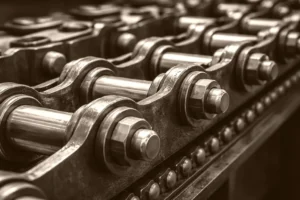
Understanding the construction of a pin oven chain is vital for appreciating its advantages. The primary components include:
- Links: Made from heat-resistant materials, links are the backbone of the chain, providing structural stability.
- Pins: Act as connectors between the links, allowing for flexibility and movement without compromising strength.
- Rollers: Present in some designs, these reduce friction and enhance the efficiency of movement.
Common materials used in the manufacturing of pin oven chains include stainless steel and various heat-resistant plastics, each selected based on the operational environment and specific application requirements.
Operational Efficiency
The operational efficiency of a pin oven chain is noteworthy, particularly in processes that require consistent heating and cooling cycles. The design minimizes wear and tear, ensuring a longer lifespan than traditional conveyor chains. Furthermore, the ability to function at elevated temperatures without deforming or weakening is a distinct advantage in settings like culinary operations, where precision is paramount.
Comparative Analysis: Pin Oven Chain vs Traditional Conveyor Chain
Temperature Resistance
One of the standout features of pin oven chains is their remarkable temperature resistance. Unlike traditional conveyor chains, which may struggle to maintain structural integrity under high heat, pin oven chains are specifically designed to endure such conditions. This resistance to thermal degradation means that businesses can operate more efficiently without frequent replacements or repairs.
Load-Bearing Capacity
Another key difference lies in load-bearing capacity. Pin oven chains can handle higher weights due to their reinforced construction, making them suitable for heavy-duty applications. In contrast, traditional conveyor chains may become deformed under excessive loads or prolonged use, resulting in operational disruptions and potential safety hazards.
Maintenance and Longevity
Maintenance requirements for pin oven chains are generally lower than those for traditional conveyor chains. The design minimizes friction points, which translates to less wear over time. Regular lubrication and inspection can extend the lifespan of these chains significantly, whereas traditional chains may require more frequent maintenance interventions due to wear and tear.
Applications of Pin Oven Chains
Food Processing Industry
In the food processing industry, pin oven chains have become pivotal. Applications include baking, where dough products are subjected to high temperatures for extended periods. The ability of pin oven chains to maintain performance under these conditions makes them invaluable.
Manufacturing Settings
Manufacturers are increasingly adopting pin oven chains for their production lines, particularly in processes involving heat treatment. Whether in the automotive, textile, or electronics sectors, the durability and efficiency of pin oven chains offer a competitive edge.
The distinction between pin oven chains and traditional conveyor chains is clear. As industries evolve, the need for reliable, efficient, and durable conveyor systems becomes more pressing. The pin oven chain stands out as a solution that meets these demands, particularly in high-temperature and heavy-load environments.
By understanding the technical advantages and specific applications of pin oven chains, businesses can make informed decisions that enhance their operational efficiency and longevity of equipment. Embracing innovative technologies like the pin oven chain not only improves productivity but also positions companies at the forefront of their respective industries.
Case Study: The Transformation of Laser Cutting Efficiency with EP Air Compressors
Introduction to Laser Cutting and Air Compressors
Laser cutting is a sophisticated technique widely embraced in various industries, from automotive to aerospace. The precision and speed of this method have made it a preferred choice for manufacturers. However, to achieve optimal performance in laser cutting, the importance of an efficient air compressor cannot be understated. The EP Air Compressor has emerged as a vital component in this context, enhancing productivity and quality in the laser cutting process.
Understanding the Role of Air Compressors in Laser Cutting
In laser cutting operations, air compressors provide a crucial function. They supply the necessary air pressure to assist in the cutting process, ensuring that the material is adequately evacuated from the cutting area. The quality of the air supply directly influences the cutting speed, kerf width, and overall finish of the material.
Installation of the EP Air Compressor
The implementation of the EP Air Compressor involved several key steps. The facility’s existing air system required modifications to accommodate the new compressor while ensuring compatibility with the existing laser cutting machinery.
System Evaluation and Preparation
Prior to installation, a thorough evaluation of the existing systems took place. This assessment focused on the air distribution network, pressure requirements, and compatibility with the laser cutting equipment.
Testing and Calibration
Post-installation, rigorous testing was conducted. The air pressure was calibrated to meet the specific requirements of the laser cutting operations. This step was critical to ensure that the compressor could consistently deliver the required performance without fluctuations.
Impact on Cutting Operations
The enhanced performance metrics indicated a remarkable improvement in the laser cutting operations. The increased cutting speed translated to higher throughput, allowing the facility to meet growing demands. The superior air pressure provided by the EP Air Compressor ensured cleaner cuts, reducing post-processing work and enhancing overall product quality.
Long-Term Benefits of the EP Air Compressor
The long-term benefits of adopting the EP Air Compressor extend beyond immediate operational improvements.
Operational Efficiency
With the new compressor, the facility experienced a significant reduction in downtime. The reliability of the EP Air Compressor minimized the risk of unexpected failures, leading to a more streamlined production process.
Cost Savings
The reduction in energy consumption not only lowered operational costs but also contributed to a more sustainable manufacturing environment. Over time, the initial investment in the EP Air Compressor was offset by these savings, presenting a compelling case for its adoption.
Quality Assurance
Maintaining high-quality standards became more manageable with the consistent air supply. The improved material finish led to higher customer satisfaction and reduced returns, further solidifying the facility’s reputation in the market.
The case study of the EP Air Compressor highlights the profound impact that advanced air compressor technology can have on laser cutting operations. By addressing key performance metrics, the facility not only improved its efficiency but also elevated the quality of its products, demonstrating the essential role of innovation in manufacturing.
The journey from a standard air compressor to the EP Air Compressor showcases the importance of investing in the right technology to meet the evolving demands of the industry. As manufacturing continues to advance, the integration of high-performance equipment like the EP Air Compressor will remain pivotal in achieving excellence.
Case Study: The Transformation of Laser Cutting Efficiency with EP Air Compressors
Introduction to Laser Cutting and Air Compressors
Laser cutting is a sophisticated technique widely embraced in various industries, from automotive to aerospace. The precision and speed of this method have made it a preferred choice for manufacturers. However, to achieve optimal performance in laser cutting, the importance of an efficient air compressor cannot be understated. The EP Air Compressor has emerged as a vital component in this context, enhancing productivity and quality in the laser cutting process.
Understanding the Role of Air Compressors in Laser Cutting
In laser cutting operations, air compressors provide a crucial function. They supply the necessary air pressure to assist in the cutting process, ensuring that the material is adequately evacuated from the cutting area. The quality of the air supply directly influences the cutting speed, kerf width, and overall finish of the material.
Key Metrics Before Implementation
Before the deployment of the EP Air Compressor, a comparative analysis was conducted within a typical manufacturing facility. The facility utilized a standard air compressor, which produced inconsistent air pressure and varied flow rates.
– Cutting Speed: 500 mm/min
– Air Pressure: 5 bar
– Material Finish: Rough edges with significant slag
– Energy Consumption: 25 kW
These metrics indicated a need for improvement, particularly in cutting efficiency and material quality.
Installation of the EP Air Compressor
The implementation of the EP Air Compressor involved several key steps. The facility’s existing air system required modifications to accommodate the new compressor while ensuring compatibility with the existing laser cutting machinery.
System Evaluation and Preparation
Prior to installation, a thorough evaluation of the existing systems took place. This assessment focused on the air distribution network, pressure requirements, and compatibility with the laser cutting equipment.
Installation Process
The installation process was segmented into several phases:
1. Decommissioning the Old System: The initial step involved safely removing the existing air compressor while ensuring minimal disruption to ongoing operations.
2. Site Preparation: Modifications to the piping and electrical systems were made to facilitate the seamless integration of the EP Air Compressor.
3. Compressor Setup: The EP Air Compressor was installed, ensuring all connections were secure and operational.
Testing and Calibration
Post-installation, rigorous testing was conducted. The air pressure was calibrated to meet the specific requirements of the laser cutting operations. This step was critical to ensure that the compressor could consistently deliver the required performance without fluctuations.
Performance Metrics Post-Installation
Following the installation of the EP Air Compressor, a new set of performance metrics was established. The improvements were significant and quantifiable.
– Cutting Speed: Increased to 800 mm/min
– Air Pressure: Consistently maintained at 6 bar
– Material Finish: Smooth edges with minimal slag
– Energy Consumption: Reduced to 20 kW
Impact on Cutting Operations
The enhanced performance metrics indicated a remarkable improvement in the laser cutting operations. The increased cutting speed translated to higher throughput, allowing the facility to meet growing demands. The superior air pressure provided by the EP Air Compressor ensured cleaner cuts, reducing post-processing work and enhancing overall product quality.
Long-Term Benefits of the EP Air Compressor
The long-term benefits of adopting the EP Air Compressor extend beyond immediate operational improvements.
Operational Efficiency
With the new compressor, the facility experienced a significant reduction in downtime. The reliability of the EP Air Compressor minimized the risk of unexpected failures, leading to a more streamlined production process.
Cost Savings
The reduction in energy consumption not only lowered operational costs but also contributed to a more sustainable manufacturing environment. Over time, the initial investment in the EP Air Compressor was offset by these savings, presenting a compelling case for its adoption.
Quality Assurance
Maintaining high-quality standards became more manageable with the consistent air supply. The improved material finish led to higher customer satisfaction and reduced returns, further solidifying the facility’s reputation in the market.
The case study of the EP Air Compressor highlights the profound impact that advanced air compressor technology can have on laser cutting operations. By addressing key performance metrics, the facility not only improved its efficiency but also elevated the quality of its products, demonstrating the essential role of innovation in manufacturing. The journey from a standard air compressor to the EP Air Compressor showcases the importance of investing in the right technology to meet the evolving demands of the industry. As manufacturing continues to advance, the integration of high-performance equipment like the EP Air Compressor will remain pivotal in achieving excellence.
Case Study: The Transformation of Laser Cutting Efficiency with EP Air Compressors
Introduction to Laser Cutting and Air Compressors
Laser cutting is a sophisticated technique widely embraced in various industries, from automotive to aerospace. The precision and speed of this method have made it a preferred choice for manufacturers. However, to achieve optimal performance in laser cutting, the importance of an efficient air compressor cannot be understated. The EP Air Compressor has emerged as a vital component in this context, enhancing productivity and quality in the laser cutting process.
Understanding the Role of Air Compressors in Laser Cutting
In laser cutting operations, air compressors provide a crucial function. They supply the necessary air pressure to assist in the cutting process, ensuring that the material is adequately evacuated from the cutting area. The quality of the air supply directly influences the cutting speed, kerf width, and overall finish of the material.
Key Metrics Before Implementation
Before the deployment of the EP Air Compressor, a comparative analysis was conducted within a typical manufacturing facility. The facility utilized a standard air compressor, which produced inconsistent air pressure and varied flow rates.
– Cutting Speed: 500 mm/min
– Air Pressure: 5 bar
– Material Finish: Rough edges with significant slag
– Energy Consumption: 25 kW
These metrics indicated a need for improvement, particularly in cutting efficiency and material quality.
Installation of the EP Air Compressor
The implementation of the EP Air Compressor involved several key steps. The facility’s existing air system required modifications to accommodate the new compressor while ensuring compatibility with the existing laser cutting machinery.
System Evaluation and Preparation
Prior to installation, a thorough evaluation of the existing systems took place. This assessment focused on the air distribution network, pressure requirements, and compatibility with the laser cutting equipment.
Installation Process
The installation process was segmented into several phases:
1. Decommissioning the Old System: The initial step involved safely removing the existing air compressor while ensuring minimal disruption to ongoing operations.
2. Site Preparation: Modifications to the piping and electrical systems were made to facilitate the seamless integration of the EP Air Compressor.
3. Compressor Setup: The EP Air Compressor was installed, ensuring all connections were secure and operational.
Testing and Calibration
Post-installation, rigorous testing was conducted. The air pressure was calibrated to meet the specific requirements of the laser cutting operations. This step was critical to ensure that the compressor could consistently deliver the required performance without fluctuations.
Performance Metrics Post-Installation
Following the installation of the EP Air Compressor, a new set of performance metrics was established. The improvements were significant and quantifiable.
– Cutting Speed: Increased to 800 mm/min
– Air Pressure: Consistently maintained at 6 bar
– Material Finish: Smooth edges with minimal slag
– Energy Consumption: Reduced to 20 kW
Impact on Cutting Operations
The enhanced performance metrics indicated a remarkable improvement in the laser cutting operations. The increased cutting speed translated to higher throughput, allowing the facility to meet growing demands. The superior air pressure provided by the EP Air Compressor ensured cleaner cuts, reducing post-processing work and enhancing overall product quality.
Long-Term Benefits of the EP Air Compressor
The long-term benefits of adopting the EP Air Compressor extend beyond immediate operational improvements.
Operational Efficiency
With the new compressor, the facility experienced a significant reduction in downtime. The reliability of the EP Air Compressor minimized the risk of unexpected failures, leading to a more streamlined production process.
Cost Savings
The reduction in energy consumption not only lowered operational costs but also contributed to a more sustainable manufacturing environment. Over time, the initial investment in the EP Air Compressor was offset by these savings, presenting a compelling case for its adoption.
Quality Assurance
Maintaining high-quality standards became more manageable with the consistent air supply. The improved material finish led to higher customer satisfaction and reduced returns, further solidifying the facility’s reputation in the market.
The case study of the EP Air Compressor highlights the profound impact that advanced air compressor technology can have on laser cutting operations. By addressing key performance metrics, the facility not only improved its efficiency but also elevated the quality of its products, demonstrating the essential role of innovation in manufacturing. The journey from a standard air compressor to the EP Air Compressor showcases the importance of investing in the right technology to meet the evolving demands of the industry. As manufacturing continues to advance, the integration of high-performance equipment like the EP Air Compressor will remain pivotal in achieving excellence.
Case Study: The Transformation of Laser Cutting Efficiency with EP Air Compressors
Introduction to Laser Cutting and Air Compressors
Laser cutting is a sophisticated technique widely embraced in various industries, from automotive to aerospace. The precision and speed of this method have made it a preferred choice for manufacturers. However, to achieve optimal performance in laser cutting, the importance of an efficient air compressor cannot be understated. The EP Air Compressor has emerged as a vital component in this context, enhancing productivity and quality in the laser cutting process.
Understanding the Role of Air Compressors in Laser Cutting
In laser cutting operations, air compressors provide a crucial function. They supply the necessary air pressure to assist in the cutting process, ensuring that the material is adequately evacuated from the cutting area. The quality of the air supply directly influences the cutting speed, kerf width, and overall finish of the material.
Key Metrics Before Implementation
Before the deployment of the EP Air Compressor, a comparative analysis was conducted within a typical manufacturing facility. The facility utilized a standard air compressor, which produced inconsistent air pressure and varied flow rates.
- Cutting Speed: 500 mm/min
- Air Pressure: 5 bar
- Material Finish: Rough edges with significant slag
- Energy Consumption: 25 kW
These metrics indicated a need for improvement, particularly in cutting efficiency and material quality.
Installation of the EP Air Compressor
The implementation of the EP Air Compressor involved several key steps. The facility’s existing air system required modifications to accommodate the new compressor while ensuring compatibility with the existing laser cutting machinery.
System Evaluation and Preparation
Prior to installation, a thorough evaluation of the existing systems took place. This assessment focused on the air distribution network, pressure requirements, and compatibility with the laser cutting equipment.
Installation Process
The installation process was segmented into several phases:
- Decommissioning the Old System: The initial step involved safely removing the existing air compressor while ensuring minimal disruption to ongoing operations.
- Site Preparation: Modifications to the piping and electrical systems were made to facilitate the seamless integration of the EP Air Compressor.
- Compressor Setup: The EP Air Compressor was installed, ensuring all connections were secure and operational.
Testing and Calibration
Post-installation, rigorous testing was conducted. The air pressure was calibrated to meet the specific requirements of the laser cutting operations. This step was critical to ensure that the compressor could consistently deliver the required performance without fluctuations.
Performance Metrics Post-Installation
Following the installation of the EP Air Compressor, a new set of performance metrics was established. The improvements were significant and quantifiable.
- Cutting Speed: Increased to 800 mm/min
- Air Pressure: Consistently maintained at 6 bar
- Material Finish: Smooth edges with minimal slag
- Energy Consumption: Reduced to 20 kW
Impact on Cutting Operations
The enhanced performance metrics indicated a remarkable improvement in the laser cutting operations. The increased cutting speed translated to higher throughput, allowing the facility to meet growing demands. The superior air pressure provided by the EP Air Compressor ensured cleaner cuts, reducing post-processing work and enhancing overall product quality.
Long-Term Benefits of the EP Air Compressor
The long-term benefits of adopting the EP Air Compressor extend beyond immediate operational improvements.
Operational Efficiency
With the new compressor, the facility experienced a significant reduction in downtime. The reliability of the EP Air Compressor minimized the risk of unexpected failures, leading to a more streamlined production process.
Cost Savings
The reduction in energy consumption not only lowered operational costs but also contributed to a more sustainable manufacturing environment. Over time, the initial investment in the EP Air Compressor was offset by these savings, presenting a compelling case for its adoption.
Quality Assurance
Maintaining high-quality standards became more manageable with the consistent air supply. The improved material finish led to higher customer satisfaction and reduced returns, further solidifying the facility’s reputation in the market.
The case study of the EP Air Compressor highlights the profound impact that advanced air compressor technology can have on laser cutting operations. By addressing key performance metrics, the facility not only improved its efficiency but also elevated the quality of its products, demonstrating the essential role of innovation in manufacturing. The journey from a standard air compressor to the EP Air Compressor showcases the importance of investing in the right technology to meet the evolving demands of the industry. As manufacturing continues to advance, the integration of high-performance equipment like the EP Air Compressor will remain pivotal in achieving excellence.