Descripción del Producto
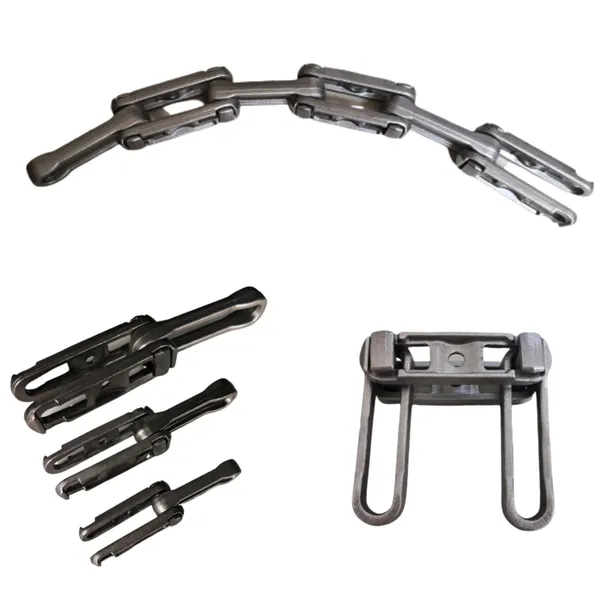
Scraper conveyor chain
P152F51/45/45A/45C/47/45D/45E/45F, P2000F29/29A, P101.6F20, RO6205MF3, MR56, MR80, MR224, MR315, FVR40/63/90/112
Forged chain , trolleys,carriers used on overhead conveyor production line.
Main products are Forge chain and trolley, welded link chain, Standard and non-standard stainless steel and carbon steel roller chain, Leaf chain, standard and non-standard conveyor chain, Scraper conveyor chain, Cranked link chain, double plus chain, double pitch transmission chain, plastic chain, sprockets and Other accessories.
Main products are Forge chain and trolley, welded link chain, Standard and non-standard stainless steel and carbon steel roller chain, Leaf chain, standard and non-standard conveyor chain, Scraper conveyor chain, Cranked link chain, double plus chain, double pitch transmission chain, plastic chain, sprockets and Other accessories.
The products can be combined to find the best possible solution for even the most demanding applications. Special solutions can also be developed for customers’ individual requirements.
Drop Forged Rivetless Chain, Drop Forged Chains, drop forged link,forged scraper chains.
1.Scraper chains P142,P142V,P142H,P200,P102,P250,P260
2.Detachable chain 51,52,55,57,62,74,78
3.Relevant overhead trolley&carriages&spare parts
4.as per your drawings or samples
| Drop forged detachable chains | X348,X458,X678,X698,F100,F160,P80,P100,P200 |
| CatterPilar Chains for | X348,X458,X678,X698 |
/* March 10, 2571 17:59:20 */!function(){function s(e,r){var a,o={};try{e&&e.split(“,”).forEach(function(e,t){e&&(a=e.match(/(.*?):(.*)$/))&&1
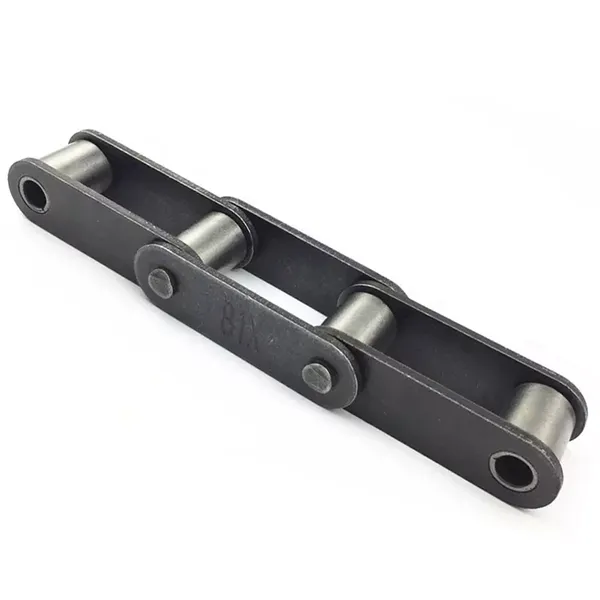
| Usage: | Conveyor System |
|---|---|
| Type: | Conveyor |
| Surface: | Self Colored, Zinc Plated,Blacken |
| Process: | Forging |
| Transport Package: | Plywood Case. |
| Specification: | ISO |
| Personalización: | Disponible | Solicitud personalizada |
|---|
How does a conveyor chain handle inclined or declined conveyance?
A conveyor chain is designed to handle various types of conveyance, including inclined or declined applications. Here’s how a conveyor chain handles these situations:
1. Inclined Conveyance: When a conveyor system is required to move materials uphill, an inclined conveyor chain is used. The chain’s design includes special attachments or cleats that provide additional grip and prevent material from slipping or sliding backward. These attachments are strategically positioned along the chain to ensure effective conveyance on inclines.
2. Declined Conveyance: For conveyors that move materials downhill, a declined conveyor chain is utilized. Similar to inclined conveyance, the chain may have specialized attachments or cleats that help control the speed and prevent material from sliding too quickly. These attachments keep the material in place and ensure a controlled and efficient flow downward.
Both inclined and declined conveyance require careful consideration of the chain’s design, including the type and arrangement of attachments. The size, shape, and weight of the conveyed material also play a role in determining the appropriate chain configuration. It’s important to consult with conveyor chain manufacturers or experts to select the right chain and attachments for specific inclined or declined applications.
¿Cómo afecta la lubricación al rendimiento de una cadena transportadora?
La lubricación desempeña un papel crucial en el rendimiento y la longevidad de una cadena transportadora. Una lubricación adecuada ayuda a reducir la fricción, el desgaste y la generación de calor, garantizando un funcionamiento fluido y minimizando el riesgo de fallos prematuros. Así es como la lubricación afecta el rendimiento de una cadena transportadora:
1. Reducción de la fricción: La lubricación forma una fina película entre los componentes de la cadena, reduciendo la fricción entre las superficies metálicas. Esto reduce la energía necesaria para el funcionamiento, minimiza la generación de calor y previene el desgaste excesivo.
2. Prevención del desgaste: La lubricación forma una capa protectora sobre los componentes de la cadena, evitando el contacto directo entre metales. Esto ayuda a reducir el desgaste y a prolongar la vida útil de la cadena.
3. Protección contra la corrosión: Los lubricantes suelen contener aditivos anticorrosivos que protegen la cadena de la oxidación. Esto es especialmente importante en entornos con alta humedad o expuestos a sustancias corrosivas.
4. Reducción de ruido: Una lubricación adecuada reduce el ruido generado durante el funcionamiento de la cadena al minimizar la fricción y el contacto entre metales. Esto contribuye a un entorno de trabajo más silencioso y cómodo.
5. Control de temperatura: La lubricación ayuda a disipar el calor generado durante el funcionamiento de la cadena, evitando un aumento excesivo de la temperatura. Esto es crucial en aplicaciones de alta velocidad o de servicio pesado, donde el calor puede acelerar el desgaste y reducir el rendimiento de la cadena.
6. Mantenimiento y vida útil: La lubricación regular y la selección adecuada del lubricante son esenciales para mantener el rendimiento de la cadena y prolongar su vida útil. Una lubricación adecuada reduce la necesidad de mantenimiento frecuente, minimiza el tiempo de inactividad y disminuye los costos operativos generales.
Es importante seguir las recomendaciones del fabricante sobre la frecuencia de lubricación y utilizar el lubricante adecuado para la cadena transportadora. También se deben realizar inspecciones y revisiones de mantenimiento periódicas para garantizar los niveles de lubricación adecuados y solucionar cualquier problema con prontitud. Unas prácticas de lubricación adecuadas mejorarán el rendimiento, la fiabilidad y la durabilidad del sistema de cadena transportadora.

What are the advantages of using a conveyor chain in material handling?
Conveyor chains offer numerous advantages in material handling applications, making them a preferred choice in various industries. Here are some of the key advantages:
- Efficient Transportation: Conveyor chains provide a continuous and reliable means of transporting materials, ensuring a smooth flow throughout the production or distribution process. They can handle both light and heavy loads, enabling efficient movement of items of different sizes and weights.
- Increased Productivity: By automating the material handling process, conveyor chains help increase productivity and operational efficiency. They eliminate the need for manual handling and reduce human effort, allowing employees to focus on other tasks, resulting in higher throughput and reduced labor costs.
- Flexibility and Customization: Conveyor chains can be designed and configured to meet specific material handling requirements. They are available in various lengths, widths, and configurations, allowing for customization based on the layout and space constraints of the facility. Additionally, different types of conveyor chains can be selected to handle specific materials or accommodate special handling needs.
- Improved Safety: Conveyor chains enhance workplace safety by reducing the risk of manual lifting and carrying heavy loads. They provide a controlled and controlled movement of materials, minimizing the chances of accidents and injuries. Additionally, safety features such as emergency stop buttons, guardrails, and sensors can be incorporated into the conveyor system to further enhance safety.
- Space Optimization: Conveyor chains utilize vertical and horizontal space efficiently, making them ideal for facilities with limited floor space. They can be designed to navigate corners, inclines, and declines, allowing for optimized layout and maximizing the use of available space.
- Versatility: Conveyor chains are versatile and can handle a wide range of materials, including bulk items, packaged goods, fragile items, and irregularly shaped objects. They can accommodate different types of conveyance methods such as flat, inclined, or spiral conveyors, providing flexibility in material handling processes.
- Improved Inventory Control: Conveyor chains enable better inventory control by facilitating the smooth movement and tracking of materials. They can be integrated with barcode scanners, RFID technology, or other tracking systems to monitor the flow of goods and provide real-time information on inventory levels.
- Reduced Material Damage: Conveyor chains help minimize material damage during handling and transportation. They provide a stable and controlled movement, reducing the risk of items falling or getting damaged due to manual handling or rough transportation methods.
The advantages of using a conveyor chain in material handling include improved efficiency, productivity, safety, space utilization, and inventory control, leading to cost savings and enhanced overall operational performance.


editor by CX 2024-01-11