
What is a Pin Oven Chain?
A pin oven chain is an integral component utilized in various industrial settings, particularly within the food processing and manufacturing sectors. This specialized conveyor mechanism operates under extreme thermal conditions, making its design paramount to ensuring optimal performance and longevity. The unique architecture of the pin oven chain facilitates the efficient movement of products through heated environments, where precise temperature control is vital. Its ability to withstand high temperatures while maintaining structural integrity is critical for industries that demand consistent quality and reliability.
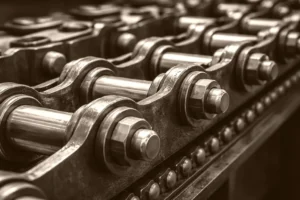
The Anatomy of a Pin Oven Chain
The construction of a pin oven chain encompasses several key elements, each contributing to its overall functionality. Typically, a pin oven chain comprises links, pins, and bushings. The links are the primary components that interconnect to form a continuous loop, while the pins serve as pivot points that allow for smooth movement along the conveyor system. Bushings enhance the durability of the chain, reducing friction and wear over time. This intricate assembly allows pin oven chains to navigate around sprockets and maintain their alignment even under strenuous operational conditions.
Heat Resistance: A Critical Factor
Heat resistance is perhaps the most crucial characteristic of pin oven chains. In environments where temperatures can soar to unprecedented levels, conventional materials may falter, leading to failures that can disrupt production. Therefore, the selection of materials used in the construction of pin oven chains is vital. High-grade stainless steel and specialized alloys are commonly employed due to their superior thermal resistance and corrosion resistance properties.
Material Selection and Its Implications
The selection of materials for pin oven chains directly impacts their heat resistance and overall durability. Stainless steel, known for its strength and resistance to oxidation, is often the preferred choice. However, not all stainless steels are created equal. Alloys with specific compositions can enhance thermal stability, allowing the chain to perform reliably in extreme conditions. Additionally, the heat treatment processes that these materials undergo further bolster their resistance to thermal degradation.
Design Features Enhancing Heat Resistance
Beyond mere material selection, the design features of a pin oven chain play an essential role in its thermal performance. The configuration of links and the spacing between them can significantly affect heat distribution and airflow. A well-designed chain facilitates optimal heat circulation, minimizing hotspots that could lead to premature failure.
Link Configuration
The geometry of links in a pin oven chain can be tailored to achieve better thermal resistance. For instance, designs that incorporate elongated or hollow links allow for improved air circulation, which can mitigate the accumulation of heat. This design strategy not only enhances performance but also prolongs the operational life of the chain.
Maintenance Considerations
Maintaining the integrity of pin oven chains is essential for ensuring their heat resistance capabilities. Regular inspections can identify wear and tear caused by high temperatures, facilitating timely interventions before catastrophic failures occur. Lubrication practices also play a critical role; the right type of lubricant can significantly reduce friction while withstanding elevated temperatures, thereby enhancing the chain’s overall longevity.
Lubrication Techniques
Implementing advanced lubrication techniques, such as automated oilers or high-temperature greases, can result in substantial improvements in chain performance. These techniques not only ensure consistent lubrication but also protect against thermal degradation that can occur in high-heat environments. The choice of lubricant must align with the specific operational conditions, optimizing the performance of the pin oven chain.
Applications of Pin Oven Chains
Pin oven chains find extensive application in various sectors, including the baking industry, where they are utilized for transporting baked goods through ovens. Their ability to withstand high temperatures and maintain structural integrity ensures that products are evenly cooked without compromising quality. Moreover, their application extends to the automotive and aerospace industries, where precision and reliability are paramount in high-temperature processing environments.
Case Studies
To illustrate the effectiveness of pin oven chains, several case studies highlight their successful implementation. In a high-output bakery, the transition to pin oven chains resulted in a notable decrease in downtime, attributed to their superior heat resistance and durability. Similarly, an automotive manufacturer reported enhanced efficiency in their production line due to the reliability of pin oven chains in high-temperature paint curing processes.
Future Trends in Pin Oven Chain Design
As industries continue to evolve, so too does the design of pin oven chains. Future innovations may focus on incorporating advanced materials such as composites or ceramics that offer even greater heat resistance. Furthermore, the integration of smart technologies for monitoring wear and temperature in real-time promises to revolutionize how pin oven chains are maintained and operated.
Research and Development
Ongoing research in the field of material science is likely to yield new insights into enhancing the performance of pin oven chains. Collaborations between manufacturers and academic institutions will play a pivotal role in exploring innovative solutions that push the boundaries of heat resistance and durability. These advancements will ensure that pin oven chains meet the ever-growing demands of modern industrial applications.
Case Study: The Transformation of Laser Cutting Efficiency with EP Air Compressors
Introduction to Laser Cutting and Air Compressors
Laser cutting is a sophisticated technique widely embraced in various industries, from automotive to aerospace. The precision and speed of this method have made it a preferred choice for manufacturers. However, to achieve optimal performance in laser cutting, the importance of an efficient air compressor cannot be understated. The EP Air Compressor has emerged as a vital component in this context, enhancing productivity and quality in the laser cutting process.
Understanding the Role of Air Compressors in Laser Cutting
In laser cutting operations, air compressors provide a crucial function. They supply the necessary air pressure to assist in the cutting process, ensuring that the material is adequately evacuated from the cutting area. The quality of the air supply directly influences the cutting speed, kerf width, and overall finish of the material.
Installation of the EP Air Compressor
The implementation of the EP Air Compressor involved several key steps. The facility’s existing air system required modifications to accommodate the new compressor while ensuring compatibility with the existing laser cutting machinery.
System Evaluation and Preparation
Prior to installation, a thorough evaluation of the existing systems took place. This assessment focused on the air distribution network, pressure requirements, and compatibility with the laser cutting equipment.
Testing and Calibration
Post-installation, rigorous testing was conducted. The air pressure was calibrated to meet the specific requirements of the laser cutting operations. This step was critical to ensure that the compressor could consistently deliver the required performance without fluctuations.
Impact on Cutting Operations
The enhanced performance metrics indicated a remarkable improvement in the laser cutting operations. The increased cutting speed translated to higher throughput, allowing the facility to meet growing demands. The superior air pressure provided by the EP Air Compressor ensured cleaner cuts, reducing post-processing work and enhancing overall product quality.
Long-Term Benefits of the EP Air Compressor
The long-term benefits of adopting the EP Air Compressor extend beyond immediate operational improvements.
Operational Efficiency
With the new compressor, the facility experienced a significant reduction in downtime. The reliability of the EP Air Compressor minimized the risk of unexpected failures, leading to a more streamlined production process.
Cost Savings
The reduction in energy consumption not only lowered operational costs but also contributed to a more sustainable manufacturing environment. Over time, the initial investment in the EP Air Compressor was offset by these savings, presenting a compelling case for its adoption.
Quality Assurance
Maintaining high-quality standards became more manageable with the consistent air supply. The improved material finish led to higher customer satisfaction and reduced returns, further solidifying the facility’s reputation in the market.
The case study of the EP Air Compressor highlights the profound impact that advanced air compressor technology can have on laser cutting operations. By addressing key performance metrics, the facility not only improved its efficiency but also elevated the quality of its products, demonstrating the essential role of innovation in manufacturing.
The journey from a standard air compressor to the EP Air Compressor showcases the importance of investing in the right technology to meet the evolving demands of the industry. As manufacturing continues to advance, the integration of high-performance equipment like the EP Air Compressor will remain pivotal in achieving excellence.
Case Study: The Transformation of Production Efficiency with Pin Oven Chains
Introduction to Pin Oven Chains in Industrial Applications
Pin oven chains have emerged as a pivotal component in the food processing and manufacturing industries. Their unique ability to operate effectively under extreme thermal conditions makes them indispensable for transporting products through heated environments. This case study examines the transformation experienced by a leading bakery upon integrating pin oven chains into their production line, highlighting the significant improvements in efficiency and product quality achieved through this transition.
Background: The Bakery’s Existing System
Prior to the installation of pin oven chains, the bakery relied on a conventional conveyor system designed for moderate thermal applications. This older system utilized standard roller chains, which struggled to maintain performance at elevated temperatures.
Installation of Pin Oven Chains
The transition to pin oven chains involved a thorough evaluation of the existing conveyor system and careful planning regarding the implementation process.
System Evaluation and Preparation
Prior to the installation, a detailed assessment was conducted to determine the specifications required for the new pin oven chains. This included evaluating the current temperature ranges, load capacities, and the spatial configurations of the existing conveyor system.
Testing and Calibration
Once installed, the pin oven chains underwent rigorous testing to ensure they met the operational requirements. This included calibrating the speed settings and monitoring the temperature tolerances in real-time to fine-tune performance.
Impact on Baking Operations
The adoption of pin oven chains directly correlated with a significant reduction in production bottlenecks. The enhanced thermal resistance enabled the bakery to operate at higher temperatures, which optimized baking times and improved product quality. Moreover, the reduction in downtime not only streamlined operations but also increased overall productivity.
Long-Term Benefits of Pin Oven Chains
The long-term advantages of switching to pin oven chains encompass various operational aspects that extend beyond immediate productivity gains.
Operational Efficiency
With the new pin oven chains, the bakery enjoyed a marked increase in operational reliability. The chains’ ability to withstand high temperatures without succumbing to wear and tear minimized the likelihood of breakdowns, leading to a smoother production flow.
Cost Savings
The efficiency gains translated into substantial cost savings. The bakery experienced lower energy consumption due to reduced downtime and optimized baking processes. Over time, the investment in pin oven chains proved to be financially advantageous, significantly offsetting the initial installation costs.
Quality Assurance
Maintaining high quality became more attainable with the implementation of pin oven chains. The consistent baking environment facilitated by the improved conveyor system led to a reduction in product defects, enhancing customer satisfaction and loyalty. The bakery’s reputation for quality solidified further in the marketplace.
Future Prospects and Innovations
As the bakery continues to evolve, further innovations in pin oven chain technology are anticipated. Research into advanced materials and design features promise to enhance heat resistance and operational longevity, enabling even more efficient baking processes in the future.
Research and Development Initiatives
Ongoing collaborations between manufacturers and academic institutions aim to explore cutting-edge solutions that push the boundaries of conventional baking technologies. The integration of smart monitoring systems is also on the horizon, allowing for real-time assessments of chain performance and temperature distribution, ensuring consistent quality and efficiency.
The transformation experienced by the bakery upon integrating pin oven chains illustrates the significant impact that specialized conveyor technology can have on industrial operations. By addressing key performance metrics, the bakery not only enhanced its efficiency but also elevated the quality of its baked goods, demonstrating the essential role of innovation in the food processing industry. The journey from standard conveyor systems to advanced pin oven chains serves as a compelling example of the importance of investing in robust technologies to meet the ever-growing demands of modern manufacturing.
Case Study: The Transformation of Production Efficiency with Pin Oven Chains
Introduction to Pin Oven Chains in Industrial Applications
Pin oven chains have emerged as a pivotal component in the food processing and manufacturing industries. Their unique ability to operate effectively under extreme thermal conditions makes them indispensable for transporting products through heated environments. This case study examines the transformation experienced by a leading bakery upon integrating pin oven chains into their production line, highlighting the significant improvements in efficiency and product quality achieved through this transition.
Background: The Bakery’s Existing System
Prior to the installation of pin oven chains, the bakery relied on a conventional conveyor system designed for moderate thermal applications. This older system utilized standard roller chains, which struggled to maintain performance at elevated temperatures.
Key Metrics Before Implementation
A comprehensive analysis of the bakery’s operations revealed several areas requiring improvement:
– Temperature Tolerance: Up to 180°C
– Production Throughput: 1,200 units/hour
– Downtime: 10 hours/week due to maintenance
– Product Quality: Inconsistent baking quality, evidenced by unevenly cooked goods and burnt edges.
These metrics underscored the need for a more resilient and efficient solution capable of withstanding the rigorous demands of baking processes.
Installation of Pin Oven Chains
The transition to pin oven chains involved a thorough evaluation of the existing conveyor system and careful planning regarding the implementation process.
System Evaluation and Preparation
Prior to installation, a detailed assessment was conducted to determine the specifications required for the new pin oven chains. This included evaluating the current temperature ranges, load capacities, and the spatial configurations of the existing conveyor system.
Installation Process
The installation was executed in multiple stages to minimize disruption to the bakery’s production:
1. Decommissioning the Old System: The existing conveyor was dismantled methodically to avoid damaging surrounding equipment.
2. Site Preparation: Adjustments were made to the infrastructure, including modifications to the mounting points and alignment of support structures for the new chains.
3. Pin Oven Chain Installation: The new pin oven chains were installed, ensuring proper tensioning and alignment to facilitate smooth operation.
Testing and Calibration
Once installed, the pin oven chains underwent rigorous testing to ensure they met the operational requirements. This included calibrating the speed settings and monitoring the temperature tolerances in real-time to fine-tune performance.
Performance Metrics Post-Installation
Following the integration of pin oven chains, the bakery witnessed a dramatic enhancement in key performance indicators:
– Temperature Tolerance: Increased to 250°C
– Production Throughput: Elevated to 1,800 units/hour
– Downtime: Reduced to 2 hours/week
– Product Quality: Achieved consistent baking results with uniform color and texture.
Impact on Baking Operations
The adoption of pin oven chains directly correlated with a significant reduction in production bottlenecks. The enhanced thermal resistance enabled the bakery to operate at higher temperatures, which optimized baking times and improved product quality. Moreover, the reduction in downtime not only streamlined operations but also increased overall productivity.
Long-Term Benefits of Pin Oven Chains
The long-term advantages of switching to pin oven chains encompass various operational aspects that extend beyond immediate productivity gains.
Operational Efficiency
With the new pin oven chains, the bakery enjoyed a marked increase in operational reliability. The chains’ ability to withstand high temperatures without succumbing to wear and tear minimized the likelihood of breakdowns, leading to a smoother production flow.
Cost Savings
The efficiency gains translated into substantial cost savings. The bakery experienced lower energy consumption due to reduced downtime and optimized baking processes. Over time, the investment in pin oven chains proved to be financially advantageous, significantly offsetting the initial installation costs.
Quality Assurance
Maintaining high quality became more attainable with the implementation of pin oven chains. The consistent baking environment facilitated by the improved conveyor system led to a reduction in product defects, enhancing customer satisfaction and loyalty. The bakery’s reputation for quality solidified further in the marketplace.
Future Prospects and Innovations
As the bakery continues to evolve, further innovations in pin oven chain technology are anticipated. Research into advanced materials and design features promise to enhance heat resistance and operational longevity, enabling even more efficient baking processes in the future.
Research and Development Initiatives
Ongoing collaborations between manufacturers and academic institutions aim to explore cutting-edge solutions that push the boundaries of conventional baking technologies. The integration of smart monitoring systems is also on the horizon, allowing for real-time assessments of chain performance and temperature distribution, ensuring consistent quality and efficiency.
Case Study: The Transformation of Production Efficiency with Pin Oven Chains
Introduction to Pin Oven Chains in Industrial Applications
Pin oven chains have emerged as a pivotal component in the food processing and manufacturing industries. Their unique ability to operate effectively under extreme thermal conditions makes them indispensable for transporting products through heated environments. This case study examines the transformation experienced by a leading bakery upon integrating pin oven chains into their production line, highlighting the significant improvements in efficiency and product quality achieved through this transition.
Background: The Bakery’s Existing System
Prior to the installation of pin oven chains, the bakery relied on a conventional conveyor system designed for moderate thermal applications. This older system utilized standard roller chains, which struggled to maintain performance at elevated temperatures.
Key Metrics Before Implementation
A comprehensive analysis of the bakery’s operations revealed several areas requiring improvement:
– Temperature Tolerance: Up to 180°C
– Production Throughput: 1,200 units/hour
– Downtime: 10 hours/week due to maintenance
– Product Quality: Inconsistent baking quality, evidenced by unevenly cooked goods and burnt edges.
These metrics underscored the need for a more resilient and efficient solution capable of withstanding the rigorous demands of baking processes.
Installation of Pin Oven Chains
The transition to pin oven chains involved a thorough evaluation of the existing conveyor system and careful planning regarding the implementation process.
System Evaluation and Preparation
Prior to installation, a detailed assessment was conducted to determine the specifications required for the new pin oven chains. This included evaluating the current temperature ranges, load capacities, and the spatial configurations of the existing conveyor system.
Installation Process
The installation was executed in multiple stages to minimize disruption to the bakery’s production:
1. Decommissioning the Old System: The existing conveyor was dismantled methodically to avoid damaging surrounding equipment.
2. Site Preparation: Adjustments were made to the infrastructure, including modifications to the mounting points and alignment of support structures for the new chains.
3. Pin Oven Chain Installation: The new pin oven chains were installed, ensuring proper tensioning and alignment to facilitate smooth operation.
Testing and Calibration
Once installed, the pin oven chains underwent rigorous testing to ensure they met the operational requirements. This included calibrating the speed settings and monitoring the temperature tolerances in real-time to fine-tune performance.
Performance Metrics Post-Installation
Following the integration of pin oven chains, the bakery witnessed a dramatic enhancement in key performance indicators:
– Temperature Tolerance: Increased to 250°C
– Production Throughput: Elevated to 1,800 units/hour
– Downtime: Reduced to 2 hours/week
– Product Quality: Achieved consistent baking results with uniform color and texture.
Impact on Baking Operations
The adoption of pin oven chains directly correlated with a significant reduction in production bottlenecks. The enhanced thermal resistance enabled the bakery to operate at higher temperatures, which optimized baking times and improved product quality. Moreover, the reduction in downtime not only streamlined operations but also increased overall productivity.
Long-Term Benefits of Pin Oven Chains
The long-term advantages of switching to pin oven chains encompass various operational aspects that extend beyond immediate productivity gains.
Operational Efficiency
With the new pin oven chains, the bakery enjoyed a marked increase in operational reliability. The chains’ ability to withstand high temperatures without succumbing to wear and tear minimized the likelihood of breakdowns, leading to a smoother production flow.
Cost Savings
The efficiency gains translated into substantial cost savings. The bakery experienced lower energy consumption due to reduced downtime and optimized baking processes. Over time, the investment in pin oven chains proved to be financially advantageous, significantly offsetting the initial installation costs.
Quality Assurance
Maintaining high quality became more attainable with the implementation of pin oven chains. The consistent baking environment facilitated by the improved conveyor system led to a reduction in product defects, enhancing customer satisfaction and loyalty. The bakery’s reputation for quality solidified further in the marketplace.
Future Prospects and Innovations
As the bakery continues to evolve, further innovations in pin oven chain technology are anticipated. Research into advanced materials and design features promise to enhance heat resistance and operational longevity, enabling even more efficient baking processes in the future.
Research and Development Initiatives
Ongoing collaborations between manufacturers and academic institutions aim to explore cutting-edge solutions that push the boundaries of conventional baking technologies. The integration of smart monitoring systems is also on the horizon, allowing for real-time assessments of chain performance and temperature distribution, ensuring consistent quality and efficiency.