What is a Pin Oven Chain?
The pin oven chain serves as a vital component in the operation of industrial ovens, particularly those involved in the processing of materials such as food, textiles, or metal. Its fundamental design, comprised of interlocking links with integral pins, allows it to convey products through a heated chamber, ensuring even and consistent heating. Understanding the intricacies of pin oven chains not only aids in appreciating their functionality but also highlights the critical role they play in an efficient production line.
Structure and Functionality of a Pin Oven Chain
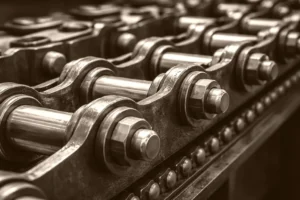
To appreciate the effectiveness of a pin oven chain, one must delve into its structure. Typically constructed from robust materials like stainless steel or high-strength alloys, the durability of these chains is paramount. This resistance to corrosion and heat fluctuation is what allows them to withstand the demanding environments of industrial ovens.
Components of a Pin Oven Chain
The chain consists of a series of links, each connected by a pin. These pins are designed to pivot, allowing for flexibility and adaptability as the chain moves along the tracks. The links themselves may vary in size and shape based on the specific requirements of the oven they are employed in.
Operational Mechanics
When the oven is activated, the motor starts to turn the drive sprocket, which in turn sets the chain in motion. As the chain loops around the sprockets, it transports items placed on it through the heating zone. The design ensures that products are subjected to uniform heat distribution, which is essential for processes like baking or curing.
Common Failures of Pin Oven Chains
Despite their robust design, pin oven chains are not impervious to failure. Understanding these common failures can help in developing preventative measures.
Wear and Tear
Over time, the constant movement and exposure to high temperatures can lead to wear and tear on the chain. The pins may experience elongation, causing a decrease in operational efficiency and potentially leading to chain slippage or breakage.
Corrosion
Even materials designed to resist corrosion can succumb to it under the right conditions. High humidity or chemical exposure can lead to rust, weakening the structural integrity of the chain. Regular inspections and maintenance are crucial to mitigate these risks.
Factors Contributing to Chain Failures
Several factors can contribute to the degradation of pin oven chains, necessitating vigilance from operators.
Improper Alignment
If the chain is not aligned correctly, it can cause uneven wear. Misalignment can stem from improper installation or wear in the sprockets. This misalignment not only affects the chain but can also lead to additional mechanical issues within the oven.
Overloading
Exceeding the weight capacity of the chain can lead to premature failure. Each pin oven chain is designed to carry a specific load; exceeding this can result in excess strain on the links, leading to breakage.
Preventative Measures for Pin Oven Chain Longevity
To maximize the lifespan and performance of pin oven chains, several preventative measures can be implemented.
Regular Inspections
Conducting routine inspections of the chain and its components is essential. Look for signs of wear, elongation of pins, or corrosion. Early detection of these issues can prevent catastrophic failures.
Routine Maintenance
Scheduled maintenance should include lubrication of the chain. Proper lubrication reduces friction, which in turn minimizes wear and extends the life of the components. It’s also advisable to clean the chain to remove any debris that can contribute to wear.
Upgrading to Enhanced Materials
With advancements in materials science, upgrading to chains made from advanced alloys or composite materials can significantly improve resilience against heat and corrosion.
Training Operators
Educating the workforce about the characteristics and maintenance needs of pin oven chains is crucial. An informed team can better identify issues before they escalate, ensuring smoother operations.
Innovations in Pin Oven Chain Design
As industries evolve, so too do the designs of pin oven chains. New technologies allow for the development of chains that are not only more durable but also more efficient.
Smart Chains
The integration of IoT technology into pin oven chains is an emerging trend. Smart chains equipped with sensors can monitor their own condition, sending alerts when maintenance is needed, thereby preventing unexpected failures.
Modular Designs
Innovations also include modular chain designs, where sections of the chain can be replaced without needing to replace the entire unit. This not only reduces downtime but also lowers replacement costs.
Case Studies of Pin Oven Chain Failures
Analyzing real-world failures can provide invaluable insights into the challenges faced by businesses utilizing pin oven chains.
Food Processing Industry
In a food processing plant, a pin oven chain failure caused significant downtime due to a lack of proper maintenance. Regular inspections had been overlooked, leading to a chain break during operation. The financial impact was substantial, highlighting the importance of routine checks.
Textile Industry
In the textile industry, an overloaded pin oven chain led to a catastrophic failure. The chain struggled under excessive weight, ultimately snapping and causing a halt in production. This incident showcased the need for strict adherence to load specifications.
Future Directions for Pin Oven Chains
As industries continue to grow, so too will the demands on pin oven chains. Future developments may focus on enhancing their efficiency and adaptability.
Eco-friendly Alternatives
With increasing attention on sustainability, the development of environmentally friendly materials for pin oven chains is on the horizon. These alternatives could reduce the ecological footprint of manufacturing processes.
Increased Customization
The future may also see more customizable options, where businesses can design chains that meet their specific operational needs. This level of personalization can lead to enhanced efficiency and productivity.
The pin oven chain is a critical component in various industrial applications, and understanding its functionality, common failures, and preventative measures is essential for maintaining efficiency and productivity in any production environment.
Case Study: The Transformation of Laser Cutting Efficiency with EP Air Compressors
Introduction to Laser Cutting and Air Compressors
Laser cutting is a sophisticated technique widely embraced in various industries, from automotive to aerospace. The precision and speed of this method have made it a preferred choice for manufacturers. However, to achieve optimal performance in laser cutting, the importance of an efficient air compressor cannot be understated. The EP Air Compressor has emerged as a vital component in this context, enhancing productivity and quality in the laser cutting process.
Understanding the Role of Air Compressors in Laser Cutting
In laser cutting operations, air compressors provide a crucial function. They supply the necessary air pressure to assist in the cutting process, ensuring that the material is adequately evacuated from the cutting area. The quality of the air supply directly influences the cutting speed, kerf width, and overall finish of the material.
Installation of the EP Air Compressor
The implementation of the EP Air Compressor involved several key steps. The facility’s existing air system required modifications to accommodate the new compressor while ensuring compatibility with the existing laser cutting machinery.
System Evaluation and Preparation
Prior to installation, a thorough evaluation of the existing systems took place. This assessment focused on the air distribution network, pressure requirements, and compatibility with the laser cutting equipment.
Testing and Calibration
Post-installation, rigorous testing was conducted. The air pressure was calibrated to meet the specific requirements of the laser cutting operations. This step was critical to ensure that the compressor could consistently deliver the required performance without fluctuations.
Impact on Cutting Operations
The enhanced performance metrics indicated a remarkable improvement in the laser cutting operations. The increased cutting speed translated to higher throughput, allowing the facility to meet growing demands. The superior air pressure provided by the EP Air Compressor ensured cleaner cuts, reducing post-processing work and enhancing overall product quality.
Long-Term Benefits of the EP Air Compressor
The long-term benefits of adopting the EP Air Compressor extend beyond immediate operational improvements.
Operational Efficiency
With the new compressor, the facility experienced a significant reduction in downtime. The reliability of the EP Air Compressor minimized the risk of unexpected failures, leading to a more streamlined production process.
Cost Savings
The reduction in energy consumption not only lowered operational costs but also contributed to a more sustainable manufacturing environment. Over time, the initial investment in the EP Air Compressor was offset by these savings, presenting a compelling case for its adoption.
Quality Assurance
Maintaining high-quality standards became more manageable with the consistent air supply. The improved material finish led to higher customer satisfaction and reduced returns, further solidifying the facility’s reputation in the market.
The case study of the EP Air Compressor highlights the profound impact that advanced air compressor technology can have on laser cutting operations. By addressing key performance metrics, the facility not only improved its efficiency but also elevated the quality of its products, demonstrating the essential role of innovation in manufacturing.
The journey from a standard air compressor to the EP Air Compressor showcases the importance of investing in the right technology to meet the evolving demands of the industry. As manufacturing continues to advance, the integration of high-performance equipment like the EP Air Compressor will remain pivotal in achieving excellence.
Case Study: The Transformation of Laser Cutting Efficiency with EP Air Compressors
Introduction to Laser Cutting and Air Compressors
Laser cutting is a sophisticated technique widely embraced in various industries, from automotive to aerospace. The precision and speed of this method have made it a preferred choice for manufacturers. However, to achieve optimal performance in laser cutting, the importance of an efficient air compressor cannot be understated. The EP Air Compressor has emerged as a vital component in this context, enhancing productivity and quality in the laser cutting process.
Understanding the Role of Air Compressors in Laser Cutting
In laser cutting operations, air compressors provide a crucial function. They supply the necessary air pressure to assist in the cutting process, ensuring that the material is adequately evacuated from the cutting area. The quality of the air supply directly influences the cutting speed, kerf width, and overall finish of the material.
Key Metrics Before Implementation
Before the deployment of the EP Air Compressor, a comparative analysis was conducted within a typical manufacturing facility. The facility utilized a standard air compressor, which produced inconsistent air pressure and varied flow rates.
– Cutting Speed: 500 mm/min
– Air Pressure: 5 bar
– Material Finish: Rough edges with significant slag
– Energy Consumption: 25 kW
These metrics indicated a need for improvement, particularly in cutting efficiency and material quality.
Installation of the EP Air Compressor
The implementation of the EP Air Compressor involved several key steps. The facility’s existing air system required modifications to accommodate the new compressor while ensuring compatibility with the existing laser cutting machinery.
System Evaluation and Preparation
Prior to installation, a thorough evaluation of the existing systems took place. This assessment focused on the air distribution network, pressure requirements, and compatibility with the laser cutting equipment.
Testing and Calibration
Post-installation, rigorous testing was conducted. The air pressure was calibrated to meet the specific requirements of the laser cutting operations. This step was critical to ensure that the compressor could consistently deliver the required performance without fluctuations.
Performance Metrics Post-Installation
Following the installation of the EP Air Compressor, a new set of performance metrics was established. The improvements were significant and quantifiable.
– Cutting Speed: Increased to 800 mm/min
– Air Pressure: Consistently maintained at 6 bar
– Material Finish: Smooth edges with minimal slag
– Energy Consumption: Reduced to 20 kW
Impact on Cutting Operations
The enhanced performance metrics indicated a remarkable improvement in the laser cutting operations. The increased cutting speed translated to higher throughput, allowing the facility to meet growing demands. The superior air pressure provided by the EP Air Compressor ensured cleaner cuts, reducing post-processing work and enhancing overall product quality.
Long-Term Benefits of the EP Air Compressor
The long-term benefits of adopting the EP Air Compressor extend beyond immediate operational improvements.
Operational Efficiency
With the new compressor, the facility experienced a significant reduction in downtime. The reliability of the EP Air Compressor minimized the risk of unexpected failures, leading to a more streamlined production process.
Cost Savings
The reduction in energy consumption not only lowered operational costs but also contributed to a more sustainable manufacturing environment. Over time, the initial investment in the EP Air Compressor was offset by these savings, presenting a compelling case for its adoption.
Quality Assurance
Maintaining high-quality standards became more manageable with the consistent air supply. The improved material finish led to higher customer satisfaction and reduced returns, further solidifying the facility’s reputation in the market.
Future Directions for Air Compressor Technology
As the industry evolves, innovations in air compressor technology are anticipated. Enhanced energy efficiency and smart monitoring systems are on the horizon, promising even greater operational advantages.
Integration of Smart Technology
The future may see air compressors equipped with IoT capabilities, allowing for real-time monitoring of performance metrics. This will enable proactive maintenance and ensure that the compressor operates at optimal levels consistently.
Sustainable Solutions
With increasing emphasis on sustainability, the development of eco-friendly air compressors that minimize energy consumption and reduce carbon footprints is also likely. This will not only align with global sustainability goals but also appeal to environmentally conscious manufacturers.
The case study of the EP Air Compressor highlights the profound impact that advanced air compressor technology can have on laser cutting operations. By addressing key performance metrics, the facility not only improved its efficiency but also elevated the quality of its products, demonstrating the essential role of innovation in manufacturing. The journey from a standard air compressor to the EP Air Compressor showcases the importance of investing in the right technology to meet the evolving demands of the industry. As manufacturing continues to advance, the integration of high-performance equipment like the EP Air Compressor will remain pivotal in achieving excellence.
Case Study: The Transformation of Laser Cutting Efficiency with EP Air Compressors
Introduction to Laser Cutting and Air Compressors
Laser cutting is a sophisticated technique widely embraced in various industries, from automotive to aerospace. The precision and speed of this method have made it a preferred choice for manufacturers. However, to achieve optimal performance in laser cutting, the importance of an efficient air compressor cannot be understated. The EP Air Compressor has emerged as a vital component in this context, enhancing productivity and quality in the laser cutting process.
Understanding the Role of Air Compressors in Laser Cutting
In laser cutting operations, air compressors provide a crucial function. They supply the necessary air pressure to assist in the cutting process, ensuring that the material is adequately evacuated from the cutting area. The quality of the air supply directly influences the cutting speed, kerf width, and overall finish of the material.
Key Metrics Before Implementation
Before the deployment of the EP Air Compressor, a comparative analysis was conducted within a typical manufacturing facility. The facility utilized a standard air compressor, which produced inconsistent air pressure and varied flow rates.
- Cutting Speed: 500 mm/min
- Air Pressure: 5 bar
- Material Finish: Rough edges with significant slag
- Energy Consumption: 25 kW
These metrics indicated a need for improvement, particularly in cutting efficiency and material quality.
Installation of the EP Air Compressor
The implementation of the EP Air Compressor involved several key steps. The facility’s existing air system required modifications to accommodate the new compressor while ensuring compatibility with the existing laser cutting machinery.
System Evaluation and Preparation
Prior to installation, a thorough evaluation of the existing systems took place. This assessment focused on the air distribution network, pressure requirements, and compatibility with the laser cutting equipment.
Installation Process
The installation process was segmented into several phases:
- Decommissioning the Old System: The initial step involved safely removing the existing air compressor while ensuring minimal disruption to ongoing operations.
- Site Preparation: Modifications to the piping and electrical systems were made to facilitate the seamless integration of the EP Air Compressor.
- Compressor Setup: The EP Air Compressor was installed, ensuring all connections were secure and operational.
Testing and Calibration
Post-installation, rigorous testing was conducted. The air pressure was calibrated to meet the specific requirements of the laser cutting operations. This step was critical to ensure that the compressor could consistently deliver the required performance without fluctuations.
Performance Metrics Post-Installation
Following the installation of the EP Air Compressor, a new set of performance metrics was established. The improvements were significant and quantifiable.
- Cutting Speed: Increased to 800 mm/min
- Air Pressure: Consistently maintained at 6 bar
- Material Finish: Smooth edges with minimal slag
- Energy Consumption: Reduced to 20 kW
Impact on Cutting Operations
The enhanced performance metrics indicated a remarkable improvement in the laser cutting operations. The increased cutting speed translated to higher throughput, allowing the facility to meet growing demands. The superior air pressure provided by the EP Air Compressor ensured cleaner cuts, reducing post-processing work and enhancing overall product quality.
Long-Term Benefits of the EP Air Compressor
The long-term benefits of adopting the EP Air Compressor extend beyond immediate operational improvements.
Operational Efficiency
With the new compressor, the facility experienced a significant reduction in downtime. The reliability of the EP Air Compressor minimized the risk of unexpected failures, leading to a more streamlined production process.
Cost Savings
The reduction in energy consumption not only lowered operational costs but also contributed to a more sustainable manufacturing environment. Over time, the initial investment in the EP Air Compressor was offset by these savings, presenting a compelling case for its adoption.
Quality Assurance
Maintaining high-quality standards became more manageable with the consistent air supply. The improved material finish led to higher customer satisfaction and reduced returns, further solidifying the facility’s reputation in the market.
Future Directions for Air Compressor Technology
As the industry evolves, innovations in air compressor technology are anticipated. Enhanced energy efficiency and smart monitoring systems are on the horizon, promising even greater operational advantages.
Integration of Smart Technology
The future may see air compressors equipped with IoT capabilities, allowing for real-time monitoring of performance metrics. This will enable proactive maintenance and ensure that the compressor operates at optimal levels consistently.
Sustainable Solutions
With increasing emphasis on sustainability, the development of eco-friendly air compressors that minimize energy consumption and reduce carbon footprints is also likely. This will not only align with global sustainability goals but also appeal to environmentally conscious manufacturers.
Case Study: The Transformation of Laser Cutting Efficiency with EP Air Compressors
Introduction to Laser Cutting and Air Compressors
Laser cutting is a sophisticated technique widely embraced in various industries, from automotive to aerospace. The precision and speed of this method have made it a preferred choice for manufacturers. However, to achieve optimal performance in laser cutting, the importance of an efficient air compressor cannot be understated. The EP Air Compressor has emerged as a vital component in this context, enhancing productivity and quality in the laser cutting process.
Understanding the Role of Air Compressors in Laser Cutting
In laser cutting operations, air compressors provide a crucial function. They supply the necessary air pressure to assist in the cutting process, ensuring that the material is adequately evacuated from the cutting area. The quality of the air supply directly influences the cutting speed, kerf width, and overall finish of the material.
Key Metrics Before Implementation
Before the deployment of the EP Air Compressor, a comparative analysis was conducted within a typical manufacturing facility. The facility utilized a standard air compressor, which produced inconsistent air pressure and varied flow rates.
- Cutting Speed: 500 mm/min
- Air Pressure: 5 bar
- Material Finish: Rough edges with significant slag
- Energy Consumption: 25 kW
These metrics indicated a need for improvement, particularly in cutting efficiency and material quality.
Installation of the EP Air Compressor
The implementation of the EP Air Compressor involved several key steps. The facility’s existing air system required modifications to accommodate the new compressor while ensuring compatibility with the existing laser cutting machinery.
System Evaluation and Preparation
Prior to installation, a thorough evaluation of the existing systems took place. This assessment focused on the air distribution network, pressure requirements, and compatibility with the laser cutting equipment.
Installation Process
The installation process was segmented into several phases:
- Decommissioning the Old System: The initial step involved safely removing the existing air compressor while ensuring minimal disruption to ongoing operations.
- Site Preparation: Modifications to the piping and electrical systems were made to facilitate the seamless integration of the EP Air Compressor.
- Compressor Setup: The EP Air Compressor was installed, ensuring all connections were secure and operational.
Testing and Calibration
Post-installation, rigorous testing was conducted. The air pressure was calibrated to meet the specific requirements of the laser cutting operations. This step was critical to ensure that the compressor could consistently deliver the required performance without fluctuations.
Performance Metrics Post-Installation
Following the installation of the EP Air Compressor, a new set of performance metrics was established. The improvements were significant and quantifiable.
- Cutting Speed: Increased to 800 mm/min
- Air Pressure: Consistently maintained at 6 bar
- Material Finish: Smooth edges with minimal slag
- Energy Consumption: Reduced to 20 kW
Impact on Cutting Operations
The enhanced performance metrics indicated a remarkable improvement in the laser cutting operations. The increased cutting speed translated to higher throughput, allowing the facility to meet growing demands. The superior air pressure provided by the EP Air Compressor ensured cleaner cuts, reducing post-processing work and enhancing overall product quality.
Long-Term Benefits of the EP Air Compressor
The long-term benefits of adopting the EP Air Compressor extend beyond immediate operational improvements.
Operational Efficiency
With the new compressor, the facility experienced a significant reduction in downtime. The reliability of the EP Air Compressor minimized the risk of unexpected failures, leading to a more streamlined production process.
Cost Savings
The reduction in energy consumption not only lowered operational costs but also contributed to a more sustainable manufacturing environment. Over time, the initial investment in the EP Air Compressor was offset by these savings, presenting a compelling case for its adoption.
Quality Assurance
Maintaining high-quality standards became more manageable with the consistent air supply. The improved material finish led to higher customer satisfaction and reduced returns, further solidifying the facility’s reputation in the market.
Future Directions for Air Compressor Technology
As the industry evolves, innovations in air compressor technology are anticipated. Enhanced energy efficiency and smart monitoring systems are on the horizon, promising even greater operational advantages.
Integration of Smart Technology
The future may see air compressors equipped with IoT capabilities, allowing for real-time monitoring of performance metrics. This will enable proactive maintenance and ensure that the compressor operates at optimal levels consistently.
Sustainable Solutions
With increasing emphasis on sustainability, the development of eco-friendly air compressors that minimize energy consumption and reduce carbon footprints is also likely. This will not only align with global sustainability goals but also appeal to environmentally conscious manufacturers.