
Was ist eine Stiftofenkette?
A pin oven chain is an integral component utilized in various industrial settings, particularly within the food processing and manufacturing sectors. This specialized conveyor mechanism operates under extreme thermal conditions, making its design paramount to ensuring optimal performance and longevity. The unique architecture of the pin oven chain facilitates the efficient movement of products through heated environments, where precise temperature control is vital. Its ability to withstand high temperatures while maintaining structural integrity is critical for industries that demand consistent quality and reliability.
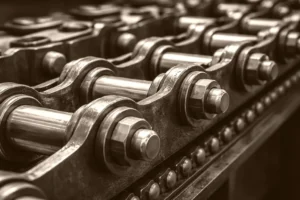
The Anatomy of a Pin Oven Chain
The construction of a pin oven chain encompasses several key elements, each contributing to its overall functionality. Typically, a pin oven chain comprises links, pins, and bushings. The links are the primary components that interconnect to form a continuous loop, while the pins serve as pivot points that allow for smooth movement along the conveyor system. Bushings enhance the durability of the chain, reducing friction and wear over time. This intricate assembly allows pin oven chains to navigate around sprockets and maintain their alignment even under strenuous operational conditions.
Heat Resistance: A Critical Factor
Heat resistance is perhaps the most crucial characteristic of pin oven chains. In environments where temperatures can soar to unprecedented levels, conventional materials may falter, leading to failures that can disrupt production. Therefore, the selection of materials used in the construction of pin oven chains is vital. High-grade stainless steel and specialized alloys are commonly employed due to their superior thermal resistance and corrosion resistance properties.
Material Selection and Its Implications
The selection of materials for pin oven chains directly impacts their heat resistance and overall durability. Stainless steel, known for its strength and resistance to oxidation, is often the preferred choice. However, not all stainless steels are created equal. Alloys with specific compositions can enhance thermal stability, allowing the chain to perform reliably in extreme conditions. Additionally, the heat treatment processes that these materials undergo further bolster their resistance to thermal degradation.
Design Features Enhancing Heat Resistance
Beyond mere material selection, the design features of a pin oven chain play an essential role in its thermal performance. The configuration of links and the spacing between them can significantly affect heat distribution and airflow. A well-designed chain facilitates optimal heat circulation, minimizing hotspots that could lead to premature failure.
Link Configuration
The geometry of links in a pin oven chain can be tailored to achieve better thermal resistance. For instance, designs that incorporate elongated or hollow links allow for improved air circulation, which can mitigate the accumulation of heat. This design strategy not only enhances performance but also prolongs the operational life of the chain.
Maintenance Considerations
Maintaining the integrity of pin oven chains is essential for ensuring their heat resistance capabilities. Regular inspections can identify wear and tear caused by high temperatures, facilitating timely interventions before catastrophic failures occur. Lubrication practices also play a critical role; the right type of lubricant can significantly reduce friction while withstanding elevated temperatures, thereby enhancing the chain’s overall longevity.
Schmiertechniken
Implementing advanced lubrication techniques, such as automated oilers or high-temperature greases, can result in substantial improvements in chain performance. These techniques not only ensure consistent lubrication but also protect against thermal degradation that can occur in high-heat environments. The choice of lubricant must align with the specific operational conditions, optimizing the performance of the pin oven chain.
Anwendungsbereiche von Stiftofenketten
Pin oven chains find extensive application in various sectors, including the baking industry, where they are utilized for transporting baked goods through ovens. Their ability to withstand high temperatures and maintain structural integrity ensures that products are evenly cooked without compromising quality. Moreover, their application extends to the automotive and aerospace industries, where precision and reliability are paramount in high-temperature processing environments.
Case Studies
To illustrate the effectiveness of pin oven chains, several case studies highlight their successful implementation. In a high-output bakery, the transition to pin oven chains resulted in a notable decrease in downtime, attributed to their superior heat resistance and durability. Similarly, an automotive manufacturer reported enhanced efficiency in their production line due to the reliability of pin oven chains in high-temperature paint curing processes.
Future Trends in Pin Oven Chain Design
As industries continue to evolve, so too does the design of pin oven chains. Future innovations may focus on incorporating advanced materials such as composites or ceramics that offer even greater heat resistance. Furthermore, the integration of smart technologies for monitoring wear and temperature in real-time promises to revolutionize how pin oven chains are maintained and operated.
Research and Development
Ongoing research in the field of material science is likely to yield new insights into enhancing the performance of pin oven chains. Collaborations between manufacturers and academic institutions will play a pivotal role in exploring innovative solutions that push the boundaries of heat resistance and durability. These advancements will ensure that pin oven chains meet the ever-growing demands of modern industrial applications.
Fallstudie: Die Transformation der Laserschneideffizienz mit EP-Luftkompressoren
Einführung in das Laserschneiden und Luftkompressoren
Laserschneiden ist eine hochentwickelte Technik, die in verschiedenen Branchen, von der Automobil- bis zur Luft- und Raumfahrtindustrie, weit verbreitet ist. Die Präzision und Geschwindigkeit dieses Verfahrens machen es zur bevorzugten Wahl für Hersteller. Um jedoch optimale Ergebnisse beim Laserschneiden zu erzielen, ist ein effizienter Luftkompressor unerlässlich. Der EP-Luftkompressor hat sich in diesem Zusammenhang als wichtige Komponente erwiesen und steigert Produktivität und Qualität im Laserschneidprozess.
Die Rolle von Luftkompressoren beim Laserschneiden verstehen
Beim Laserschneiden spielen Luftkompressoren eine entscheidende Rolle. Sie liefern den notwendigen Luftdruck für den Schneidprozess und sorgen für den ausreichenden Abtransport des Materials aus dem Schneidbereich. Die Qualität der Luftzufuhr beeinflusst direkt die Schnittgeschwindigkeit, die Schnittfugenbreite und die Oberflächengüte des Materials.
Installation des EP-Luftkompressors
Die Implementierung des EP-Luftkompressors umfasste mehrere wichtige Schritte. Das bestehende Druckluftsystem der Anlage musste angepasst werden, um den neuen Kompressor aufzunehmen und gleichzeitig die Kompatibilität mit den vorhandenen Laserschneidanlagen zu gewährleisten.
Systembewertung und -vorbereitung
Vor der Installation wurde eine gründliche Bewertung der bestehenden Systeme durchgeführt. Diese Bewertung konzentrierte sich auf das Luftverteilungsnetz, die Druckanforderungen und die Kompatibilität mit der Laserschneidanlage.
Prüfung und Kalibrierung
Nach der Installation wurden umfangreiche Tests durchgeführt. Der Luftdruck wurde kalibriert, um die spezifischen Anforderungen der Laserschneidprozesse zu erfüllen. Dieser Schritt war entscheidend, um sicherzustellen, dass der Kompressor die erforderliche Leistung konstant und ohne Schwankungen erbringt.
Auswirkungen auf Schneidvorgänge
Die verbesserten Leistungskennzahlen wiesen auf eine deutliche Optimierung der Laserschneidprozesse hin. Die höhere Schnittgeschwindigkeit ermöglichte einen höheren Durchsatz und somit die Erfüllung der steigenden Nachfrage. Der überlegene Luftdruck des EP-Luftkompressors sorgte für sauberere Schnitte, reduzierte den Nachbearbeitungsaufwand und verbesserte die Gesamtproduktqualität.
Langfristige Vorteile des EP-Luftkompressors
Die langfristigen Vorteile der Einführung des EP-Luftkompressors gehen über die unmittelbaren betrieblichen Verbesserungen hinaus.
Betriebliche Effizienz
Mit dem neuen Kompressor konnte die Anlage ihre Ausfallzeiten deutlich reduzieren. Die Zuverlässigkeit des EP-Luftkompressors minimierte das Risiko unerwarteter Ausfälle und führte so zu einem effizienteren Produktionsprozess.
Kosteneinsparungen
Die Reduzierung des Energieverbrauchs senkte nicht nur die Betriebskosten, sondern trug auch zu einer nachhaltigeren Produktionsumgebung bei. Im Laufe der Zeit amortisierte sich die anfängliche Investition in den EP-Luftkompressor durch diese Einsparungen, was ein überzeugendes Argument für dessen Einsatz liefert.
Qualitätssicherung
Die Einhaltung hoher Qualitätsstandards wurde durch die konstante Luftzufuhr erleichtert. Die verbesserte Materialoberfläche führte zu höherer Kundenzufriedenheit und weniger Retouren, wodurch der Ruf des Unternehmens am Markt weiter gefestigt wurde.
Die Fallstudie zum EP-Luftkompressor verdeutlicht den tiefgreifenden Einfluss, den fortschrittliche Luftkompressortechnologie auf Laserschneidprozesse haben kann. Durch die Optimierung wichtiger Leistungskennzahlen konnte das Unternehmen nicht nur seine Effizienz steigern, sondern auch die Qualität seiner Produkte verbessern und damit die zentrale Rolle von Innovationen in der Fertigung unterstreichen.
Die Entwicklung vom Standard-Luftkompressor zum EP-Luftkompressor verdeutlicht, wie wichtig Investitionen in die richtige Technologie sind, um den sich wandelnden Anforderungen der Industrie gerecht zu werden. Mit dem fortschreitenden Fortschritt in der Fertigung wird die Integration von Hochleistungsgeräten wie dem EP-Luftkompressor auch weiterhin entscheidend für die Erzielung von Spitzenleistungen sein.
Case Study: The Transformation of Production Efficiency with Pin Oven Chains
Introduction to Pin Oven Chains in Industrial Applications
Pin oven chains have emerged as a pivotal component in the food processing and manufacturing industries. Their unique ability to operate effectively under extreme thermal conditions makes them indispensable for transporting products through heated environments. This case study examines the transformation experienced by a leading bakery upon integrating pin oven chains into their production line, highlighting the significant improvements in efficiency and product quality achieved through this transition.
Background: The Bakery’s Existing System
Prior to the installation of pin oven chains, the bakery relied on a conventional conveyor system designed for moderate thermal applications. This older system utilized standard roller chains, which struggled to maintain performance at elevated temperatures.
Installation of Pin Oven Chains
The transition to pin oven chains involved a thorough evaluation of the existing conveyor system and careful planning regarding the implementation process.
Systembewertung und -vorbereitung
Prior to the installation, a detailed assessment was conducted to determine the specifications required for the new pin oven chains. This included evaluating the current temperature ranges, load capacities, and the spatial configurations of the existing conveyor system.
Prüfung und Kalibrierung
Once installed, the pin oven chains underwent rigorous testing to ensure they met the operational requirements. This included calibrating the speed settings and monitoring the temperature tolerances in real-time to fine-tune performance.
Impact on Baking Operations
The adoption of pin oven chains directly correlated with a significant reduction in production bottlenecks. The enhanced thermal resistance enabled the bakery to operate at higher temperatures, which optimized baking times and improved product quality. Moreover, the reduction in downtime not only streamlined operations but also increased overall productivity.
Long-Term Benefits of Pin Oven Chains
The long-term advantages of switching to pin oven chains encompass various operational aspects that extend beyond immediate productivity gains.
Betriebliche Effizienz
With the new pin oven chains, the bakery enjoyed a marked increase in operational reliability. The chains’ ability to withstand high temperatures without succumbing to wear and tear minimized the likelihood of breakdowns, leading to a smoother production flow.
Kosteneinsparungen
The efficiency gains translated into substantial cost savings. The bakery experienced lower energy consumption due to reduced downtime and optimized baking processes. Over time, the investment in pin oven chains proved to be financially advantageous, significantly offsetting the initial installation costs.
Qualitätssicherung
Maintaining high quality became more attainable with the implementation of pin oven chains. The consistent baking environment facilitated by the improved conveyor system led to a reduction in product defects, enhancing customer satisfaction and loyalty. The bakery’s reputation for quality solidified further in the marketplace.
Future Prospects and Innovations
As the bakery continues to evolve, further innovations in pin oven chain technology are anticipated. Research into advanced materials and design features promise to enhance heat resistance and operational longevity, enabling even more efficient baking processes in the future.
Research and Development Initiatives
Ongoing collaborations between manufacturers and academic institutions aim to explore cutting-edge solutions that push the boundaries of conventional baking technologies. The integration of smart monitoring systems is also on the horizon, allowing for real-time assessments of chain performance and temperature distribution, ensuring consistent quality and efficiency.
The transformation experienced by the bakery upon integrating pin oven chains illustrates the significant impact that specialized conveyor technology can have on industrial operations. By addressing key performance metrics, the bakery not only enhanced its efficiency but also elevated the quality of its baked goods, demonstrating the essential role of innovation in the food processing industry. The journey from standard conveyor systems to advanced pin oven chains serves as a compelling example of the importance of investing in robust technologies to meet the ever-growing demands of modern manufacturing.
Case Study: The Transformation of Production Efficiency with Pin Oven Chains
Introduction to Pin Oven Chains in Industrial Applications
Pin oven chains have emerged as a pivotal component in the food processing and manufacturing industries. Their unique ability to operate effectively under extreme thermal conditions makes them indispensable for transporting products through heated environments. This case study examines the transformation experienced by a leading bakery upon integrating pin oven chains into their production line, highlighting the significant improvements in efficiency and product quality achieved through this transition.
Background: The Bakery’s Existing System
Prior to the installation of pin oven chains, the bakery relied on a conventional conveyor system designed for moderate thermal applications. This older system utilized standard roller chains, which struggled to maintain performance at elevated temperatures.
Wichtige Kennzahlen vor der Implementierung
A comprehensive analysis of the bakery’s operations revealed several areas requiring improvement:
– Temperature Tolerance: Up to 180°C
– Production Throughput: 1,200 units/hour
– Downtime: 10 hours/week due to maintenance
– Product Quality: Inconsistent baking quality, evidenced by unevenly cooked goods and burnt edges.
These metrics underscored the need for a more resilient and efficient solution capable of withstanding the rigorous demands of baking processes.
Installation of Pin Oven Chains
The transition to pin oven chains involved a thorough evaluation of the existing conveyor system and careful planning regarding the implementation process.
Systembewertung und -vorbereitung
Prior to installation, a detailed assessment was conducted to determine the specifications required for the new pin oven chains. This included evaluating the current temperature ranges, load capacities, and the spatial configurations of the existing conveyor system.
Installationsprozess
The installation was executed in multiple stages to minimize disruption to the bakery’s production:
1. Decommissioning the Old System: The existing conveyor was dismantled methodically to avoid damaging surrounding equipment.
2. Site Preparation: Adjustments were made to the infrastructure, including modifications to the mounting points and alignment of support structures for the new chains.
3. Pin Oven Chain Installation: The new pin oven chains were installed, ensuring proper tensioning and alignment to facilitate smooth operation.
Prüfung und Kalibrierung
Once installed, the pin oven chains underwent rigorous testing to ensure they met the operational requirements. This included calibrating the speed settings and monitoring the temperature tolerances in real-time to fine-tune performance.
Leistungskennzahlen nach der Installation
Following the integration of pin oven chains, the bakery witnessed a dramatic enhancement in key performance indicators:
– Temperature Tolerance: Increased to 250°C
– Production Throughput: Elevated to 1,800 units/hour
– Downtime: Reduced to 2 hours/week
– Product Quality: Achieved consistent baking results with uniform color and texture.
Impact on Baking Operations
The adoption of pin oven chains directly correlated with a significant reduction in production bottlenecks. The enhanced thermal resistance enabled the bakery to operate at higher temperatures, which optimized baking times and improved product quality. Moreover, the reduction in downtime not only streamlined operations but also increased overall productivity.
Long-Term Benefits of Pin Oven Chains
The long-term advantages of switching to pin oven chains encompass various operational aspects that extend beyond immediate productivity gains.
Betriebliche Effizienz
With the new pin oven chains, the bakery enjoyed a marked increase in operational reliability. The chains’ ability to withstand high temperatures without succumbing to wear and tear minimized the likelihood of breakdowns, leading to a smoother production flow.
Kosteneinsparungen
The efficiency gains translated into substantial cost savings. The bakery experienced lower energy consumption due to reduced downtime and optimized baking processes. Over time, the investment in pin oven chains proved to be financially advantageous, significantly offsetting the initial installation costs.
Qualitätssicherung
Maintaining high quality became more attainable with the implementation of pin oven chains. The consistent baking environment facilitated by the improved conveyor system led to a reduction in product defects, enhancing customer satisfaction and loyalty. The bakery’s reputation for quality solidified further in the marketplace.
Future Prospects and Innovations
As the bakery continues to evolve, further innovations in pin oven chain technology are anticipated. Research into advanced materials and design features promise to enhance heat resistance and operational longevity, enabling even more efficient baking processes in the future.
Research and Development Initiatives
Ongoing collaborations between manufacturers and academic institutions aim to explore cutting-edge solutions that push the boundaries of conventional baking technologies. The integration of smart monitoring systems is also on the horizon, allowing for real-time assessments of chain performance and temperature distribution, ensuring consistent quality and efficiency.
Case Study: The Transformation of Production Efficiency with Pin Oven Chains
Introduction to Pin Oven Chains in Industrial Applications
Pin oven chains have emerged as a pivotal component in the food processing and manufacturing industries. Their unique ability to operate effectively under extreme thermal conditions makes them indispensable for transporting products through heated environments. This case study examines the transformation experienced by a leading bakery upon integrating pin oven chains into their production line, highlighting the significant improvements in efficiency and product quality achieved through this transition.
Background: The Bakery’s Existing System
Prior to the installation of pin oven chains, the bakery relied on a conventional conveyor system designed for moderate thermal applications. This older system utilized standard roller chains, which struggled to maintain performance at elevated temperatures.
Wichtige Kennzahlen vor der Implementierung
A comprehensive analysis of the bakery’s operations revealed several areas requiring improvement:
– Temperature Tolerance: Up to 180°C
– Production Throughput: 1,200 units/hour
– Downtime: 10 hours/week due to maintenance
– Product Quality: Inconsistent baking quality, evidenced by unevenly cooked goods and burnt edges.
These metrics underscored the need for a more resilient and efficient solution capable of withstanding the rigorous demands of baking processes.
Installation of Pin Oven Chains
The transition to pin oven chains involved a thorough evaluation of the existing conveyor system and careful planning regarding the implementation process.
Systembewertung und -vorbereitung
Prior to installation, a detailed assessment was conducted to determine the specifications required for the new pin oven chains. This included evaluating the current temperature ranges, load capacities, and the spatial configurations of the existing conveyor system.
Installationsprozess
The installation was executed in multiple stages to minimize disruption to the bakery’s production:
1. Decommissioning the Old System: The existing conveyor was dismantled methodically to avoid damaging surrounding equipment.
2. Site Preparation: Adjustments were made to the infrastructure, including modifications to the mounting points and alignment of support structures for the new chains.
3. Pin Oven Chain Installation: The new pin oven chains were installed, ensuring proper tensioning and alignment to facilitate smooth operation.
Prüfung und Kalibrierung
Once installed, the pin oven chains underwent rigorous testing to ensure they met the operational requirements. This included calibrating the speed settings and monitoring the temperature tolerances in real-time to fine-tune performance.
Leistungskennzahlen nach der Installation
Following the integration of pin oven chains, the bakery witnessed a dramatic enhancement in key performance indicators:
– Temperature Tolerance: Increased to 250°C
– Production Throughput: Elevated to 1,800 units/hour
– Downtime: Reduced to 2 hours/week
– Product Quality: Achieved consistent baking results with uniform color and texture.
Impact on Baking Operations
The adoption of pin oven chains directly correlated with a significant reduction in production bottlenecks. The enhanced thermal resistance enabled the bakery to operate at higher temperatures, which optimized baking times and improved product quality. Moreover, the reduction in downtime not only streamlined operations but also increased overall productivity.
Long-Term Benefits of Pin Oven Chains
The long-term advantages of switching to pin oven chains encompass various operational aspects that extend beyond immediate productivity gains.
Betriebliche Effizienz
With the new pin oven chains, the bakery enjoyed a marked increase in operational reliability. The chains’ ability to withstand high temperatures without succumbing to wear and tear minimized the likelihood of breakdowns, leading to a smoother production flow.
Kosteneinsparungen
The efficiency gains translated into substantial cost savings. The bakery experienced lower energy consumption due to reduced downtime and optimized baking processes. Over time, the investment in pin oven chains proved to be financially advantageous, significantly offsetting the initial installation costs.
Qualitätssicherung
Maintaining high quality became more attainable with the implementation of pin oven chains. The consistent baking environment facilitated by the improved conveyor system led to a reduction in product defects, enhancing customer satisfaction and loyalty. The bakery’s reputation for quality solidified further in the marketplace.
Future Prospects and Innovations
As the bakery continues to evolve, further innovations in pin oven chain technology are anticipated. Research into advanced materials and design features promise to enhance heat resistance and operational longevity, enabling even more efficient baking processes in the future.
Research and Development Initiatives
Ongoing collaborations between manufacturers and academic institutions aim to explore cutting-edge solutions that push the boundaries of conventional baking technologies. The integration of smart monitoring systems is also on the horizon, allowing for real-time assessments of chain performance and temperature distribution, ensuring consistent quality and efficiency.