What is a Pin Oven Chain?
The pin oven chain is an essential component in various industrial applications, notably in ovens designed for baking, curing, and drying processes. It serves as a means to transport goods through a heated environment, ensuring that products are evenly exposed to heat while minimizing handling. This intricate system is engineered for durability and efficiency, providing an optimal solution for industries that require precise temperature control and continuous product movement.
Understanding the Structure of Pin Oven Chains
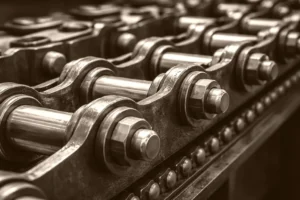
A pin oven chain primarily consists of a series of interconnected links, each equipped with pins that enable the chain to glide smoothly along guides. The design of these chains is pivotal; it not only affects the operational efficiency but also influences maintenance and longevity. Typically, the materials used for manufacturing pin oven chains include stainless steel and polymer composites, which offer resistance to heat and corrosion.
Components of a Pin Oven Chain
- Links: The fundamental building blocks, links are designed to interlock, providing strength and flexibility.
- Pins: These are the connectors that facilitate movement, allowing the chain to articulate as it travels through the oven.
- Attachments: Some chains come with additional attachments for specific applications, enhancing their functionality.
- Coating: Certain chains feature protective coatings that further enhance durability and heat resistance.
Applications of Pin Oven Chains
The versatility of pin oven chains allows them to be extensively utilized in various industries. From food processing to metal treatments, their applications are vast. In the food industry, for example, they are crucial in baking ovens where bread, pastries, and other items are processed. In the automotive sector, they play a vital role in curing paints and finishes, ensuring that products are adequately exposed to heat without risk of damage.
Importance of Temperature Resistance
One of the most significant attributes of a pin oven chain is its ability to withstand elevated temperatures. The materials and design must accommodate the thermal expansion that occurs during operation. Subpar chains may warp or degrade, leading to operational inefficiencies and potential hazards.
Choosing the Right Pin Size for Your Oven Chain
Selecting the appropriate pin size is crucial for ensuring optimal performance of the pin oven chain. The pin size impacts the chain’s load-bearing capacity, flexibility, and overall efficiency. An ill-fitting pin can lead to mechanical failure, increased wear, and costly downtimes.
Factors to Consider When Selecting Pin Size
When determining the right pin size for your oven chain, several factors must be taken into account:
- Load Requirements: Assess the weight of the products that will be transported. Heavier loads require larger, more robust pins to withstand the stress.
- Chain Speed: Higher speeds can lead to increased wear on pins. Choose sizes that can handle the dynamic stresses without failure.
- Environmental Conditions: Consider the operating environment. High humidity, extreme temperatures, or exposure to chemicals can affect pin performance.
- Maintenance Considerations: Larger pins may be easier to handle and replace, which can reduce maintenance efforts.
Measuring Pin Size
To accurately measure pin size, a caliper or micrometer is often employed. It’s essential to measure the diameter and length of the pin to ensure compatibility with the chain links. Additionally, it’s advisable to consult manufacturer specifications to ensure the chosen pin meets all operational requirements.
Common Pin Sizes and Their Applications
Various pin sizes are prevalent in the industry, each suited for specific applications. For instance, smaller pins may be adequate for lighter applications such as confectionery production, whereas larger pins are required in heavy-duty settings like automotive parts curing.
Maintaining Your Pin Oven Chain
Proper maintenance of the pin oven chain, including the pins, is essential for sustaining performance. Regular inspection for wear and tear can prevent unexpected failures. Lubrication is also crucial, as it reduces friction between pins and links, prolonging their lifespan and maintaining operational efficiency.
Lubrication Techniques
The choice of lubricant can greatly influence the performance of the pin oven chain. High-temperature lubricants are often recommended to withstand the operational conditions. Moreover, applying lubricant regularly ensures that the pin movements remain smooth and reduces the likelihood of wear.
Common Issues with Pin Oven Chains
Despite their robust design, pin oven chains can encounter several issues that may hinder performance. Understanding these potential problems can assist in preventative maintenance:
- Wear and Tear: Over time, pins can become worn, leading to reduced efficiency. Regular inspections can help identify issues early.
- Misalignment: Misaligned chains can lead to excessive wear on pins and links. Regular alignment checks are necessary.
- Corrosion: If not properly maintained, chains can corrode, especially in humid or chemically harsh environments.
- Breakage: Overloading the chain beyond its capacity can lead to breakage. Ensure that load requirements are consistently evaluated.
Future Trends in Pin Oven Chain Technology
As industries advance, so too does the technology surrounding pin oven chains. Innovations aim at enhancing performance and longevity. The development of high-strength materials and advanced coatings is already making waves. These advancements are focused not only on improving heat resistance but also on enhancing overall mechanical properties.
Sustainability Considerations
With a growing emphasis on sustainability, manufacturers are exploring eco-friendly materials for pin oven chains. Recyclable materials and those with lower environmental impact are becoming increasingly popular, aligning with industry trends towards greener practices.
While the exploration of pin oven chains and their intricacies is vast, understanding the nuances of pin size selection is paramount. The interplay of design, materials, and operational conditions ultimately determines the efficiency and longevity of these essential components in various industrial applications.
Case Study: The Transformation of Laser Cutting Efficiency with EP Air Compressors
Introduction to Laser Cutting and Air Compressors
Laser cutting is a sophisticated technique widely embraced in various industries, from automotive to aerospace. The precision and speed of this method have made it a preferred choice for manufacturers. However, to achieve optimal performance in laser cutting, the importance of an efficient air compressor cannot be understated. The EP Air Compressor has emerged as a vital component in this context, enhancing productivity and quality in the laser cutting process.
Understanding the Role of Air Compressors in Laser Cutting
In laser cutting operations, air compressors provide a crucial function. They supply the necessary air pressure to assist in the cutting process, ensuring that the material is adequately evacuated from the cutting area. The quality of the air supply directly influences the cutting speed, kerf width, and overall finish of the material.
Installation of the EP Air Compressor
The implementation of the EP Air Compressor involved several key steps. The facility’s existing air system required modifications to accommodate the new compressor while ensuring compatibility with the existing laser cutting machinery.
System Evaluation and Preparation
Prior to installation, a thorough evaluation of the existing systems took place. This assessment focused on the air distribution network, pressure requirements, and compatibility with the laser cutting equipment.
Testing and Calibration
Post-installation, rigorous testing was conducted. The air pressure was calibrated to meet the specific requirements of the laser cutting operations. This step was critical to ensure that the compressor could consistently deliver the required performance without fluctuations.
Impact on Cutting Operations
The enhanced performance metrics indicated a remarkable improvement in the laser cutting operations. The increased cutting speed translated to higher throughput, allowing the facility to meet growing demands. The superior air pressure provided by the EP Air Compressor ensured cleaner cuts, reducing post-processing work and enhancing overall product quality.
Long-Term Benefits of the EP Air Compressor
The long-term benefits of adopting the EP Air Compressor extend beyond immediate operational improvements.
Operational Efficiency
With the new compressor, the facility experienced a significant reduction in downtime. The reliability of the EP Air Compressor minimized the risk of unexpected failures, leading to a more streamlined production process.
Cost Savings
The reduction in energy consumption not only lowered operational costs but also contributed to a more sustainable manufacturing environment. Over time, the initial investment in the EP Air Compressor was offset by these savings, presenting a compelling case for its adoption.
Quality Assurance
Maintaining high-quality standards became more manageable with the consistent air supply. The improved material finish led to higher customer satisfaction and reduced returns, further solidifying the facility’s reputation in the market.
The case study of the EP Air Compressor highlights the profound impact that advanced air compressor technology can have on laser cutting operations. By addressing key performance metrics, the facility not only improved its efficiency but also elevated the quality of its products, demonstrating the essential role of innovation in manufacturing.
The journey from a standard air compressor to the EP Air Compressor showcases the importance of investing in the right technology to meet the evolving demands of the industry. As manufacturing continues to advance, the integration of high-performance equipment like the EP Air Compressor will remain pivotal in achieving excellence.
Case Study: The Transformation of Laser Cutting Efficiency with EP Air Compressors
Introduction to Laser Cutting and Air Compressors
Laser cutting is a sophisticated technique widely embraced in various industries, from automotive to aerospace. The precision and speed of this method have made it a preferred choice for manufacturers. However, to achieve optimal performance in laser cutting, the importance of an efficient air compressor cannot be understated. The EP Air Compressor has emerged as a vital component in this context, enhancing productivity and quality in the laser cutting process.
Understanding the Role of Air Compressors in Laser Cutting
In laser cutting operations, air compressors provide a crucial function. They supply the necessary air pressure to assist in the cutting process, ensuring that the material is adequately evacuated from the cutting area. The quality of the air supply directly influences the cutting speed, kerf width, and overall finish of the material.
Key Metrics Before Implementation
Before the deployment of the EP Air Compressor, a comparative analysis was conducted within a typical manufacturing facility. The facility utilized a standard air compressor, which produced inconsistent air pressure and varied flow rates.
– Cutting Speed: 500 mm/min
– Air Pressure: 5 bar
– Material Finish: Rough edges with significant slag
– Energy Consumption: 25 kW
These metrics indicated a need for improvement, particularly in cutting efficiency and material quality.
Installation of the EP Air Compressor
The implementation of the EP Air Compressor involved several key steps. The facility’s existing air system required modifications to accommodate the new compressor while ensuring compatibility with the existing laser cutting machinery.
System Evaluation and Preparation
Prior to installation, a thorough evaluation of the existing systems took place. This assessment focused on the air distribution network, pressure requirements, and compatibility with the laser cutting equipment.
Installation Process
The installation process was segmented into several phases:
1. Decommissioning the Old System: The initial step involved safely removing the existing air compressor while ensuring minimal disruption to ongoing operations.
2. Site Preparation: Modifications to the piping and electrical systems were made to facilitate the seamless integration of the EP Air Compressor.
3. Compressor Setup: The EP Air Compressor was installed, ensuring all connections were secure and operational.
Testing and Calibration
Post-installation, rigorous testing was conducted. The air pressure was calibrated to meet the specific requirements of the laser cutting operations. This step was critical to ensure that the compressor could consistently deliver the required performance without fluctuations.
Performance Metrics Post-Installation
Following the installation of the EP Air Compressor, a new set of performance metrics was established. The improvements were significant and quantifiable.
– Cutting Speed: Increased to 800 mm/min
– Air Pressure: Consistently maintained at 6 bar
– Material Finish: Smooth edges with minimal slag
– Energy Consumption: Reduced to 20 kW
Impact on Cutting Operations
The enhanced performance metrics indicated a remarkable improvement in the laser cutting operations. The increased cutting speed translated to higher throughput, allowing the facility to meet growing demands. The superior air pressure provided by the EP Air Compressor ensured cleaner cuts, reducing post-processing work and enhancing overall product quality.
Long-Term Benefits of the EP Air Compressor
The long-term benefits of adopting the EP Air Compressor extend beyond immediate operational improvements.
Operational Efficiency
With the new compressor, the facility experienced a significant reduction in downtime. The reliability of the EP Air Compressor minimized the risk of unexpected failures, leading to a more streamlined production process.
Cost Savings
The reduction in energy consumption not only lowered operational costs but also contributed to a more sustainable manufacturing environment. Over time, the initial investment in the EP Air Compressor was offset by these savings, presenting a compelling case for its adoption.
Quality Assurance
Maintaining high-quality standards became more manageable with the consistent air supply. The improved material finish led to higher customer satisfaction and reduced returns, further solidifying the facility’s reputation in the market.
Future Perspectives
As industries evolve, the continued enhancement of air compressor technology will play a pivotal role in shaping operational landscapes. The adoption of smart compressors equipped with IoT capabilities promises to provide real-time data analytics, allowing for proactive maintenance and further efficiency gains.
Sustainability Goals
The trend towards sustainability in manufacturing is ever-growing. The utilization of energy-efficient air compressors aligns with corporate social responsibility initiatives, showcasing a commitment to reducing carbon footprints. By investing in technologies like the EP Air Compressor, companies not only improve their bottom line but also contribute positively to the environment.
Final Thoughts
The transformation witnessed through the case of the EP Air Compressor underscores the profound impact that advanced air compressor technology can have on laser cutting operations. By addressing key performance metrics, the facility not only improved efficiency but also elevated product quality, demonstrating the essential role of innovation in manufacturing. The journey from a standard air compressor to the EP Air Compressor showcases the importance of investing in the right technology to meet the evolving demands of the industry. As manufacturing continues to advance, the integration of high-performance equipment like the EP Air Compressor will remain pivotal in achieving excellence.
Case Study: The Transformation of Laser Cutting Efficiency with EP Air Compressors
Introduction to Laser Cutting and Air Compressors
Laser cutting is a sophisticated technique widely embraced in various industries, from automotive to aerospace. The precision and speed of this method have made it a preferred choice for manufacturers. However, to achieve optimal performance in laser cutting, the importance of an efficient air compressor cannot be understated. The EP Air Compressor has emerged as a vital component in this context, enhancing productivity and quality in the laser cutting process.
Understanding the Role of Air Compressors in Laser Cutting
In laser cutting operations, air compressors provide a crucial function. They supply the necessary air pressure to assist in the cutting process, ensuring that the material is adequately evacuated from the cutting area. The quality of the air supply directly influences the cutting speed, kerf width, and overall finish of the material.
Key Metrics Before Implementation
Before the deployment of the EP Air Compressor, a comparative analysis was conducted within a typical manufacturing facility. The facility utilized a standard air compressor, which produced inconsistent air pressure and varied flow rates.
- Cutting Speed: 500 mm/min
- Air Pressure: 5 bar
- Material Finish: Rough edges with significant slag
- Energy Consumption: 25 kW
These metrics indicated a need for improvement, particularly in cutting efficiency and material quality.
Installation of the EP Air Compressor
The implementation of the EP Air Compressor involved several key steps. The facility’s existing air system required modifications to accommodate the new compressor while ensuring compatibility with the existing laser cutting machinery.
System Evaluation and Preparation
Prior to installation, a thorough evaluation of the existing systems took place. This assessment focused on the air distribution network, pressure requirements, and compatibility with the laser cutting equipment.
Installation Process
The installation process was segmented into several phases:
- Decommissioning the Old System: The initial step involved safely removing the existing air compressor while ensuring minimal disruption to ongoing operations.
- Site Preparation: Modifications to the piping and electrical systems were made to facilitate the seamless integration of the EP Air Compressor.
- Compressor Setup: The EP Air Compressor was installed, ensuring all connections were secure and operational.
Testing and Calibration
Post-installation, rigorous testing was conducted. The air pressure was calibrated to meet the specific requirements of the laser cutting operations. This step was critical to ensure that the compressor could consistently deliver the required performance without fluctuations.
Performance Metrics Post-Installation
Following the installation of the EP Air Compressor, a new set of performance metrics was established. The improvements were significant and quantifiable.
- Cutting Speed: Increased to 800 mm/min
- Air Pressure: Consistently maintained at 6 bar
- Material Finish: Smooth edges with minimal slag
- Energy Consumption: Reduced to 20 kW
Impact on Cutting Operations
The enhanced performance metrics indicated a remarkable improvement in the laser cutting operations. The increased cutting speed translated to higher throughput, allowing the facility to meet growing demands. The superior air pressure provided by the EP Air Compressor ensured cleaner cuts, reducing post-processing work and enhancing overall product quality.
Long-Term Benefits of the EP Air Compressor
The long-term benefits of adopting the EP Air Compressor extend beyond immediate operational improvements.
Operational Efficiency
With the new compressor, the facility experienced a significant reduction in downtime. The reliability of the EP Air Compressor minimized the risk of unexpected failures, leading to a more streamlined production process.
Cost Savings
The reduction in energy consumption not only lowered operational costs but also contributed to a more sustainable manufacturing environment. Over time, the initial investment in the EP Air Compressor was offset by these savings, presenting a compelling case for its adoption.
Quality Assurance
Maintaining high-quality standards became more manageable with the consistent air supply. The improved material finish led to higher customer satisfaction and reduced returns, further solidifying the facility’s reputation in the market.
Future Perspectives
As industries evolve, the continued enhancement of air compressor technology will play a pivotal role in shaping operational landscapes. The adoption of smart compressors equipped with IoT capabilities promises to provide real-time data analytics, allowing for proactive maintenance and further efficiency gains.
Sustainability Goals
The trend towards sustainability in manufacturing is ever-growing. The utilization of energy-efficient air compressors aligns with corporate social responsibility initiatives, showcasing a commitment to reducing carbon footprints. By investing in technologies like the EP Air Compressor, companies not only improve their bottom line but also contribute positively to the environment.
Final Thoughts
The transformation witnessed through the case of the EP Air Compressor underscores the profound impact that advanced air compressor technology can have on laser cutting operations. By addressing key performance metrics, the facility not only improved efficiency but also elevated product quality, demonstrating the essential role of innovation in manufacturing. The journey from a standard air compressor to the EP Air Compressor showcases the importance of investing in the right technology to meet the evolving demands of the industry. As manufacturing continues to advance, the integration of high-performance equipment like the EP Air Compressor will remain pivotal in achieving excellence.
Case Study: The Transformation of Laser Cutting Efficiency with EP Air Compressors
Introduction to Laser Cutting and Air Compressors
Laser cutting is a sophisticated technique widely embraced in various industries, from automotive to aerospace. The precision and speed of this method have made it a preferred choice for manufacturers. However, to achieve optimal performance in laser cutting, the importance of an efficient air compressor cannot be understated. The EP Air Compressor has emerged as a vital component in this context, enhancing productivity and quality in the laser cutting process.
Understanding the Role of Air Compressors in Laser Cutting
In laser cutting operations, air compressors provide a crucial function. They supply the necessary air pressure to assist in the cutting process, ensuring that the material is adequately evacuated from the cutting area. The quality of the air supply directly influences the cutting speed, kerf width, and overall finish of the material.
Key Metrics Before Implementation
Before the deployment of the EP Air Compressor, a comparative analysis was conducted within a typical manufacturing facility. The facility utilized a standard air compressor, which produced inconsistent air pressure and varied flow rates.
- Cutting Speed: 500 mm/min
- Air Pressure: 5 bar
- Material Finish: Rough edges with significant slag
- Energy Consumption: 25 kW
These metrics indicated a need for improvement, particularly in cutting efficiency and material quality.
Installation of the EP Air Compressor
The implementation of the EP Air Compressor involved several key steps. The facility’s existing air system required modifications to accommodate the new compressor while ensuring compatibility with the existing laser cutting machinery.
System Evaluation and Preparation
Prior to installation, a thorough evaluation of the existing systems took place. This assessment focused on the air distribution network, pressure requirements, and compatibility with the laser cutting equipment.
Installation Process
The installation process was segmented into several phases:
- Decommissioning the Old System: The initial step involved safely removing the existing air compressor while ensuring minimal disruption to ongoing operations.
- Site Preparation: Modifications to the piping and electrical systems were made to facilitate the seamless integration of the EP Air Compressor.
- Compressor Setup: The EP Air Compressor was installed, ensuring all connections were secure and operational.
Testing and Calibration
Post-installation, rigorous testing was conducted. The air pressure was calibrated to meet the specific requirements of the laser cutting operations. This step was critical to ensure that the compressor could consistently deliver the required performance without fluctuations.
Performance Metrics Post-Installation
Following the installation of the EP Air Compressor, a new set of performance metrics was established. The improvements were significant and quantifiable.
- Cutting Speed: Increased to 800 mm/min
- Air Pressure: Consistently maintained at 6 bar
- Material Finish: Smooth edges with minimal slag
- Energy Consumption: Reduced to 20 kW
Impact on Cutting Operations
The enhanced performance metrics indicated a remarkable improvement in the laser cutting operations. The increased cutting speed translated to higher throughput, allowing the facility to meet growing demands. The superior air pressure provided by the EP Air Compressor ensured cleaner cuts, reducing post-processing work and enhancing overall product quality.
Long-Term Benefits of the EP Air Compressor
The long-term benefits of adopting the EP Air Compressor extend beyond immediate operational improvements.
Operational Efficiency
With the new compressor, the facility experienced a significant reduction in downtime. The reliability of the EP Air Compressor minimized the risk of unexpected failures, leading to a more streamlined production process.
Cost Savings
The reduction in energy consumption not only lowered operational costs but also contributed to a more sustainable manufacturing environment. Over time, the initial investment in the EP Air Compressor was offset by these savings, presenting a compelling case for its adoption.
Quality Assurance
Maintaining high-quality standards became more manageable with the consistent air supply. The improved material finish led to higher customer satisfaction and reduced returns, further solidifying the facility’s reputation in the market.
Future Perspectives
As industries evolve, the continued enhancement of air compressor technology will play a pivotal role in shaping operational landscapes. The adoption of smart compressors equipped with IoT capabilities promises to provide real-time data analytics, allowing for proactive maintenance and further efficiency gains.
Sustainability Goals
The trend towards sustainability in manufacturing is ever-growing. The utilization of energy-efficient air compressors aligns with corporate social responsibility initiatives, showcasing a commitment to reducing carbon footprints. By investing in technologies like the EP Air Compressor, companies not only improve their bottom line but also contribute positively to the environment.
The transformation witnessed through the case of the EP Air Compressor underscores the profound impact that advanced air compressor technology can have on laser cutting operations. By addressing key performance metrics, the facility not only improved efficiency but also elevated product quality, demonstrating the essential role of innovation in manufacturing. The journey from a standard air compressor to the EP Air Compressor showcases the importance of investing in the right technology to meet the evolving demands of the industry. As manufacturing continues to advance, the integration of high-performance equipment like the EP Air Compressor will remain pivotal in achieving excellence.