What is a Pin Oven Chain?
A pin oven chain is an intricate yet vital component utilized in various industrial applications, particularly in the baking and food processing sectors. This mechanism is designed to transport products through a heated oven environment, ensuring uniform cooking or curing. The chain is characterized by a series of interconnected links, each featuring a pin that aids in the smooth operation and movement of the conveyor system. The design of pin oven chains allows for flexibility and adaptability, accommodating different production line setups while maintaining a reliable performance over extended periods.
Components of a Pin Oven Chain
The pin oven chain comprises several critical components that contribute to its functionality:
Links
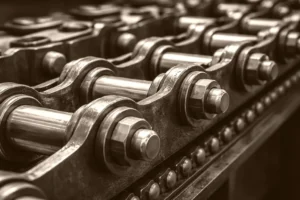
Each link in the chain is crafted from durable materials, often steel or specialized alloys, to withstand high temperatures and heavy loads. The links are designed for both strength and flexibility, enabling the chain to navigate bends within the oven.
Pins
The pins are central to the chain’s operation, allowing for rotation and movement. These pins can vary in diameter and length, tailored to fit specific applications and ensure efficient operation.
Rollers
Some pin oven chains incorporate rollers that facilitate smoother movement along the conveyor tracks. These rollers reduce friction, enhancing the longevity of the chain while ensuring a reliable flow of products through the oven.
Mounting Plates
Mounting plates can be added to the chain to accommodate various attachments, such as hooks or trays, allowing for the transport of diverse food items. This versatility makes pin oven chains indispensable in modern food processing lines.
Operational Mechanism
The operational mechanism of a pin oven chain is deceptively simple yet profoundly effective. The chain is driven by a motor that rotates the sprockets, effectively moving the chain along its designated path. As the chain moves, it carries the products through defined zones within the oven, ensuring they are exposed to heat uniformly. The precise engineering of the chain ensures that it maintains constant tension and alignment, preventing slippage or misalignment during operation.
Thermal Dynamics and Material Selection
The performance of a pin oven chain is significantly influenced by thermal dynamics. Elevated temperatures can lead to material expansion, altering the chain’s dimensions and potentially affecting its operation. Therefore, selecting materials that can withstand high temperatures without compromising structural integrity is critical. Stainless steel and specialized heat-resistant alloys are commonly utilized, ensuring durability even under extreme conditions.
Heat Resistance
Heat resistance is paramount in the context of pin oven chains. Materials must not only withstand high temperatures but also resist oxidation and corrosion. This is essential to maintain performance and extend the lifecycle of the chain, minimizing operational downtime due to maintenance or replacement.
Thermal Expansion Considerations
Thermal expansion can lead to dimensional shifts within the chain, affecting tension and alignment. Engineers must account for these changes during design and installation, ensuring the system remains functional under varying temperature regimes.
Environmental Impact on Performance
Beyond heat, various environmental factors can influence the performance and longevity of pin oven chains. Humidity, for instance, can lead to corrosion, while contaminants in the production environment can cause wear and tear on the chain components.
Humidity and Corrosion
Excess moisture in the environment can lead to rust formation on metal components, compromising the integrity of the chain. To combat this, manufacturers may apply protective coatings or select materials that are inherently resistant to corrosion.
Contaminant Interaction
In food processing, the interaction between the chain and various food particles can impact performance. Oils, sugars, and other residues can contribute to friction and wear. Regular cleaning and maintenance are essential to mitigate these effects, ensuring the chain operates smoothly and efficiently.
Maintenance Strategies for Optimal Performance
To maximize the efficiency and lifespan of pin oven chains, implementing effective maintenance strategies is essential. Regular inspections and proactive measures can prevent unexpected failures and costly downtime.
Routine Inspections
Conducting routine inspections allows operators to identify potential issues before they escalate. This includes checking for signs of wear, misalignment, or damage to the components. Addressing these problems early can save time and resources in the long run.
Lubrication Techniques
Applying the appropriate lubricant to the chain can significantly reduce friction and wear. It’s crucial to select lubricants that can withstand high temperatures without degrading. A well-lubricated chain operates more smoothly, enhancing performance and longevity.
Cleaning Protocols
Establishing a stringent cleaning protocol is vital in maintaining the integrity of the pin oven chain. Regularly removing debris and residues ensures that the chain remains free from contaminants that could impair its function.
Innovations in Pin Oven Chain Technology
The industry continually evolves, and advancements in pin oven chain technology are no exception. Innovations focus on enhancing durability, efficiency, and adaptability to meet the demands of modern food processing applications.
Advanced Materials
Recent developments have seen the introduction of advanced materials that offer superior heat and corrosion resistance. These materials not only improve performance but also reduce the frequency of necessary replacements.
Smart Technology Integration
Integrating smart technology into pin oven chains paves the way for real-time monitoring of performance metrics. Sensors can provide data on temperature fluctuations, tension levels, and overall operational efficiency, allowing for data-driven maintenance decisions.
Case Studies and Practical Applications
Examining real-world applications of pin oven chains reveals valuable insights into their performance under varying conditions. These case studies demonstrate how different industries leverage this technology to achieve optimal results.
Bakery Industry
In the bakery sector, pin oven chains are indispensable for transporting dough products through high-temperature ovens. The uniformity of heat exposure ensures that each product receives the proper cooking time, resulting in consistent quality.
Snack Food Manufacturing
Snack food manufacturers utilize pin oven chains to bake or dry products. The ability to transport various shapes and sizes of snacks while maintaining even exposure to heat highlights the versatility of these chains in different processing environments.
Future Trends in Pin Oven Chain Development
Looking ahead, the future of pin oven chains is poised for exciting developments as industries adapt to new challenges and technological advancements. The focus will likely shift towards sustainability, with a push to create more energy-efficient systems that reduce operational costs while minimizing environmental impact.
Energy Efficiency
As industries become more aware of their environmental footprints, the demand for energy-efficient pin oven chains will rise. Innovations that minimize energy consumption while maintaining high performance will be key in the coming years.
Eco-Friendly Materials
The exploration of eco-friendly materials in the production of pin oven chains is gaining traction. These materials aim to reduce environmental impact while still meeting the stringent performance requirements of high-temperature applications.
Final Thoughts on Pin Oven Chain Performance
Understanding the various factors that affect the performance of pin oven chains is crucial for any industry relying on efficient heat transfer and product movement. By comprehensively evaluating the effects of heat and environmental conditions, manufacturers can make informed decisions regarding material selection, maintenance practices, and technology integration, driving productivity and ensuring product quality.
Case Study: The Transformation of Laser Cutting Efficiency with EP Air Compressors
Introduction to Laser Cutting and Air Compressors
Laser cutting is a sophisticated technique widely embraced in various industries, from automotive to aerospace. The precision and speed of this method have made it a preferred choice for manufacturers. However, to achieve optimal performance in laser cutting, the importance of an efficient air compressor cannot be understated. The EP Air Compressor has emerged as a vital component in this context, enhancing productivity and quality in the laser cutting process.
Understanding the Role of Air Compressors in Laser Cutting
In laser cutting operations, air compressors provide a crucial function. They supply the necessary air pressure to assist in the cutting process, ensuring that the material is adequately evacuated from the cutting area. The quality of the air supply directly influences the cutting speed, kerf width, and overall finish of the material.
Installation of the EP Air Compressor
The implementation of the EP Air Compressor involved several key steps. The facility’s existing air system required modifications to accommodate the new compressor while ensuring compatibility with the existing laser cutting machinery.
System Evaluation and Preparation
Prior to installation, a thorough evaluation of the existing systems took place. This assessment focused on the air distribution network, pressure requirements, and compatibility with the laser cutting equipment.
Testing and Calibration
Post-installation, rigorous testing was conducted. The air pressure was calibrated to meet the specific requirements of the laser cutting operations. This step was critical to ensure that the compressor could consistently deliver the required performance without fluctuations.
Impact on Cutting Operations
The enhanced performance metrics indicated a remarkable improvement in the laser cutting operations. The increased cutting speed translated to higher throughput, allowing the facility to meet growing demands. The superior air pressure provided by the EP Air Compressor ensured cleaner cuts, reducing post-processing work and enhancing overall product quality.
Long-Term Benefits of the EP Air Compressor
The long-term benefits of adopting the EP Air Compressor extend beyond immediate operational improvements.
Operational Efficiency
With the new compressor, the facility experienced a significant reduction in downtime. The reliability of the EP Air Compressor minimized the risk of unexpected failures, leading to a more streamlined production process.
Cost Savings
The reduction in energy consumption not only lowered operational costs but also contributed to a more sustainable manufacturing environment. Over time, the initial investment in the EP Air Compressor was offset by these savings, presenting a compelling case for its adoption.
Quality Assurance
Maintaining high-quality standards became more manageable with the consistent air supply. The improved material finish led to higher customer satisfaction and reduced returns, further solidifying the facility’s reputation in the market.
The case study of the EP Air Compressor highlights the profound impact that advanced air compressor technology can have on laser cutting operations. By addressing key performance metrics, the facility not only improved its efficiency but also elevated the quality of its products, demonstrating the essential role of innovation in manufacturing.
The journey from a standard air compressor to the EP Air Compressor showcases the importance of investing in the right technology to meet the evolving demands of the industry. As manufacturing continues to advance, the integration of high-performance equipment like the EP Air Compressor will remain pivotal in achieving excellence.
Case Study: The Transformation of Laser Cutting Efficiency with EP Air Compressors
Introduction to Laser Cutting and Air Compressors
Laser cutting is a sophisticated technique widely embraced in various industries, from automotive to aerospace. The precision and speed of this method have made it a preferred choice for manufacturers. However, to achieve optimal performance in laser cutting, the importance of an efficient air compressor cannot be understated. The EP Air Compressor has emerged as a vital component in this context, enhancing productivity and quality in the laser cutting process.
Understanding the Role of Air Compressors in Laser Cutting
In laser cutting operations, air compressors provide a crucial function. They supply the necessary air pressure to assist in the cutting process, ensuring that the material is adequately evacuated from the cutting area. The quality of the air supply directly influences the cutting speed, kerf width, and overall finish of the material.
Key Metrics Before Implementation
Before the deployment of the EP Air Compressor, a comparative analysis was conducted within a typical manufacturing facility. The facility utilized a standard air compressor, which produced inconsistent air pressure and varied flow rates.
– Cutting Speed: 500 mm/min
– Air Pressure: 5 bar
– Material Finish: Rough edges with significant slag
– Energy Consumption: 25 kW
These metrics indicated a need for improvement, particularly in cutting efficiency and material quality.
Installation of the EP Air Compressor
The implementation of the EP Air Compressor involved several key steps. The facility’s existing air system required modifications to accommodate the new compressor while ensuring compatibility with the existing laser cutting machinery.
System Evaluation and Preparation
Prior to installation, a thorough evaluation of the existing systems took place. This assessment focused on the air distribution network, pressure requirements, and compatibility with the laser cutting equipment.
Installation Process
The installation process was segmented into several phases:
1. Decommissioning the Old System: The initial step involved safely removing the existing air compressor while ensuring minimal disruption to ongoing operations.
2. Site Preparation: Modifications to the piping and electrical systems were made to facilitate the seamless integration of the EP Air Compressor.
3. Compressor Setup: The EP Air Compressor was installed, ensuring all connections were secure and operational.
Testing and Calibration
Post-installation, rigorous testing was conducted. The air pressure was calibrated to meet the specific requirements of the laser cutting operations. This step was critical to ensure that the compressor could consistently deliver the required performance without fluctuations.
Performance Metrics Post-Installation
Following the installation of the EP Air Compressor, a new set of performance metrics was established. The improvements were significant and quantifiable.
– Cutting Speed: Increased to 800 mm/min
– Air Pressure: Consistently maintained at 6 bar
– Material Finish: Smooth edges with minimal slag
– Energy Consumption: Reduced to 20 kW
Impact on Cutting Operations
The enhanced performance metrics indicated a remarkable improvement in the laser cutting operations. The increased cutting speed translated to higher throughput, allowing the facility to meet growing demands. The superior air pressure provided by the EP Air Compressor ensured cleaner cuts, reducing post-processing work and enhancing overall product quality.
Long-Term Benefits of the EP Air Compressor
The long-term benefits of adopting the EP Air Compressor extend beyond immediate operational improvements.
Operational Efficiency
With the new compressor, the facility experienced a significant reduction in downtime. The reliability of the EP Air Compressor minimized the risk of unexpected failures, leading to a more streamlined production process.
Cost Savings
The reduction in energy consumption not only lowered operational costs but also contributed to a more sustainable manufacturing environment. Over time, the initial investment in the EP Air Compressor was offset by these savings, presenting a compelling case for its adoption.
Quality Assurance
Maintaining high-quality standards became more manageable with the consistent air supply. The improved material finish led to higher customer satisfaction and reduced returns, further solidifying the facility’s reputation in the market.
Future Prospects of Laser Cutting with Enhanced Technology
As industries evolve, the demand for precision and efficiency in laser cutting continues to increase. The integration of advanced air compressor technology, such as that offered by the EP Air Compressor, is poised to become standard practice. Continued investment in research and development will likely yield innovations that further enhance cutting capabilities, leading to even greater efficiencies.
Adapting to Industry Changes
Manufacturers must remain agile in adapting to changes in market demands and technological advancements. The EP Air Compressor not only addresses current needs but also prepares facilities for future challenges. The ability to scale operations and integrate new technologies will be pivotal for success in an increasingly competitive landscape.
Emphasis on Sustainability
Sustainability has emerged as a core focus in manufacturing. The adoption of energy-efficient technologies like the EP Air Compressor aligns with this trend, providing a pathway for companies to reduce their carbon footprint while enhancing operational efficiency. This dual benefit positions facilities favorably in a market that increasingly values environmental responsibility.
The case study of the EP Air Compressor highlights the profound impact that advanced air compressor technology can have on laser cutting operations. By addressing key performance metrics, the facility not only improved its efficiency but also elevated the quality of its products, demonstrating the essential role of innovation in manufacturing. The journey from a standard air compressor to the EP Air Compressor showcases the importance of investing in the right technology to meet the evolving demands of the industry. As manufacturing continues to advance, the integration of high-performance equipment like the EP Air Compressor will remain pivotal in achieving excellence.
Case Study: The Transformation of Laser Cutting Efficiency with EP Air Compressors
Introduction to Laser Cutting and Air Compressors
Laser cutting is a sophisticated technique widely embraced in various industries, from automotive to aerospace. The precision and speed of this method have made it a preferred choice for manufacturers. However, to achieve optimal performance in laser cutting, the importance of an efficient air compressor cannot be understated. The EP Air Compressor has emerged as a vital component in this context, enhancing productivity and quality in the laser cutting process.
Understanding the Role of Air Compressors in Laser Cutting
In laser cutting operations, air compressors provide a crucial function. They supply the necessary air pressure to assist in the cutting process, ensuring that the material is adequately evacuated from the cutting area. The quality of the air supply directly influences the cutting speed, kerf width, and overall finish of the material.
Key Metrics Before Implementation
Before the deployment of the EP Air Compressor, a comparative analysis was conducted within a typical manufacturing facility. The facility utilized a standard air compressor, which produced inconsistent air pressure and varied flow rates.
- Cutting Speed: 500 mm/min
- Air Pressure: 5 bar
- Material Finish: Rough edges with significant slag
- Energy Consumption: 25 kW
These metrics indicated a need for improvement, particularly in cutting efficiency and material quality.
Installation of the EP Air Compressor
The implementation of the EP Air Compressor involved several key steps. The facility’s existing air system required modifications to accommodate the new compressor while ensuring compatibility with the existing laser cutting machinery.
System Evaluation and Preparation
Prior to installation, a thorough evaluation of the existing systems took place. This assessment focused on the air distribution network, pressure requirements, and compatibility with the laser cutting equipment. Specialists examined each element to identify potential upgrades necessary for optimal integration.
Installation Process
The installation process was segmented into several phases:
- Decommissioning the Old System: The initial step involved safely removing the existing air compressor while ensuring minimal disruption to ongoing operations.
- Site Preparation: Modifications to the piping and electrical systems were made to facilitate the seamless integration of the EP Air Compressor.
- Compressor Setup: The EP Air Compressor was installed, ensuring all connections were secure and operational.
Testing and Calibration
Post-installation, rigorous testing was conducted. The air pressure was calibrated to meet the specific requirements of the laser cutting operations. This step was critical to ensure that the compressor could consistently deliver the required performance without fluctuations.
Performance Metrics Post-Installation
Following the installation of the EP Air Compressor, a new set of performance metrics was established. The improvements were significant and quantifiable.
- Cutting Speed: Increased to 800 mm/min
- Air Pressure: Consistently maintained at 6 bar
- Material Finish: Smooth edges with minimal slag
- Energy Consumption: Reduced to 20 kW
Impact on Cutting Operations
The enhanced performance metrics indicated a remarkable improvement in the laser cutting operations. The increased cutting speed translated to higher throughput, allowing the facility to meet growing demands. The superior air pressure provided by the EP Air Compressor ensured cleaner cuts, reducing post-processing work and enhancing overall product quality.
Long-Term Benefits of the EP Air Compressor
The long-term benefits of adopting the EP Air Compressor extend beyond immediate operational improvements.
Operational Efficiency
With the new compressor, the facility experienced a significant reduction in downtime. The reliability of the EP Air Compressor minimized the risk of unexpected failures, leading to a more streamlined production process. Enhanced operational flow allowed workers to focus on their tasks without interruptions.
Cost Savings
The reduction in energy consumption not only lowered operational costs but also contributed to a more sustainable manufacturing environment. Over time, the initial investment in the EP Air Compressor was offset by these savings, presenting a compelling case for its adoption. Budgets could be reallocated towards further innovations rather than constant repair and maintenance.
Quality Assurance
Maintaining high-quality standards became more manageable with the consistent air supply. The improved material finish led to higher customer satisfaction and reduced returns, further solidifying the facility’s reputation in the market. This enhanced reputation fostered new business opportunities and partnerships.
Future Prospects of Laser Cutting with Enhanced Technology
As industries evolve, the demand for precision and efficiency in laser cutting continues to increase. The integration of advanced air compressor technology, such as that offered by the EP Air Compressor, is poised to become standard practice.
Adapting to Industry Changes
Manufacturers must remain agile in adapting to changes in market demands and technological advancements. The EP Air Compressor not only addresses current needs but also prepares facilities for future challenges. The ability to scale operations and integrate new technologies will be pivotal for success in an increasingly competitive landscape.
Emphasis on Sustainability
Sustainability has emerged as a core focus in manufacturing. The adoption of energy-efficient technologies like the EP Air Compressor aligns with this trend, providing a pathway for companies to reduce their carbon footprint while enhancing operational efficiency. This dual benefit positions facilities favorably in a market that increasingly values environmental responsibility.
Transformative Impacts on Workforce and Productivity
The transition to the EP Air Compressor positively impacted not just the machinery but also the workforce. Employees reported increased job satisfaction due to the reduced noise levels and enhanced working conditions. This shift resulted in improved morale, fostering a work environment that promotes productivity and innovation.
Training and Development
With the introduction of new technology, training sessions were implemented to familiarize the workforce with the EP Air Compressor’s functionality. This initiative ensured that all employees were equipped with the necessary skills to operate the new system effectively. Enhanced training programs also opened opportunities for professional development, contributing to a more skilled workforce.
Increased Job Satisfaction
The technological upgrade alleviated many of the frustrations associated with outdated equipment. Employees found that they could complete tasks more efficiently, leading to a sense of accomplishment and pride in their work. Higher job satisfaction levels often correlate with lower turnover rates, further solidifying the organization’s stability.
Market Trends and Competitive Edge
The laser cutting industry is rapidly evolving, with competition intensifying as companies seek to leverage technology for better output and quality. The EP Air Compressor positioned the facility ahead of its competitors by enabling it to produce higher quality products at a faster rate.
Benchmarking Against Industry Standards
With the adoption of the EP Air Compressor, the facility set new benchmarks for operational performance within the industry. Regular assessments and comparisons with peers revealed that the facility not only met but often exceeded industry standards for cutting speed and energy efficiency. This competitive edge attracted new clients and fostered existing relationships.
Future Investments in Technology
Given the success with the EP Air Compressor, the facility is now looking toward further investments in technology that can enhance its capabilities. The focus will remain on maintaining a modernized approach to manufacturing, ensuring that the facility is equipped to handle future demands and challenges.
Community Impact and Corporate Responsibility
The advancements made by integrating the EP Air Compressor extend beyond the confines of the manufacturing facility. The positive outcomes have ripple effects on the local community and environment.
Creating Employment Opportunities
With increased productivity and expanded operations, the facility has been able to create new job opportunities. This growth not only supports the local economy but also contributes to community development, leading to a stronger workforce in the region.
Environmental Stewardship
By adopting energy-efficient technologies, the facility underscores its commitment to environmental stewardship. The reduced energy consumption and lower emissions associated with the EP Air Compressor play a crucial role in the facility’s sustainability initiatives, aligning with global efforts to combat climate change.
The case study of the EP Air Compressor highlights the profound impact that advanced air compressor technology can have on laser cutting operations. By addressing key performance metrics, the facility not only improved its efficiency but also elevated the quality of its products, demonstrating the essential role of innovation in manufacturing. The journey from a standard air compressor to the EP Air Compressor showcases the importance of investing in the right technology to meet the evolving demands of the industry. As manufacturing continues to advance, the integration of high-performance equipment like the EP Air Compressor will remain pivotal in achieving excellence.
Case Study: The Transformation of Laser Cutting Efficiency with EP Air Compressors
Introduction to Laser Cutting and Air Compressors
Laser cutting is a sophisticated technique widely embraced in various industries, from automotive to aerospace. The precision and speed of this method have made it a preferred choice for manufacturers. However, to achieve optimal performance in laser cutting, the importance of an efficient air compressor cannot be understated. The EP Air Compressor has emerged as a vital component in this context, enhancing productivity and quality in the laser cutting process.
Understanding the Role of Air Compressors in Laser Cutting
In laser cutting operations, air compressors provide a crucial function. They supply the necessary air pressure to assist in the cutting process, ensuring that the material is adequately evacuated from the cutting area. The quality of the air supply directly influences the cutting speed, kerf width, and overall finish of the material.
Key Metrics Before Implementation
Before the deployment of the EP Air Compressor, a comparative analysis was conducted within a typical manufacturing facility. The facility utilized a standard air compressor, which produced inconsistent air pressure and varied flow rates.
- Cutting Speed: 500 mm/min
- Air Pressure: 5 bar
- Material Finish: Rough edges with significant slag
- Energy Consumption: 25 kW
These metrics indicated a need for improvement, particularly in cutting efficiency and material quality.
Installation of the EP Air Compressor
The implementation of the EP Air Compressor involved several key steps. The facility’s existing air system required modifications to accommodate the new compressor while ensuring compatibility with the existing laser cutting machinery.
System Evaluation and Preparation
Prior to installation, a thorough evaluation of the existing systems took place. This assessment focused on the air distribution network, pressure requirements, and compatibility with the laser cutting equipment. Specialists examined each element to identify potential upgrades necessary for optimal integration.
Installation Process
The installation process was segmented into several phases:
- Decommissioning the Old System: The initial step involved safely removing the existing air compressor while ensuring minimal disruption to ongoing operations.
- Site Preparation: Modifications to the piping and electrical systems were made to facilitate the seamless integration of the EP Air Compressor.
- Compressor Setup: The EP Air Compressor was installed, ensuring all connections were secure and operational.
Testing and Calibration
Post-installation, rigorous testing was conducted. The air pressure was calibrated to meet the specific requirements of the laser cutting operations. This step was critical to ensure that the compressor could consistently deliver the required performance without fluctuations.
Performance Metrics Post-Installation
Following the installation of the EP Air Compressor, a new set of performance metrics was established. The improvements were significant and quantifiable.
- Cutting Speed: Increased to 800 mm/min
- Air Pressure: Consistently maintained at 6 bar
- Material Finish: Smooth edges with minimal slag
- Energy Consumption: Reduced to 20 kW
Impact on Cutting Operations
The enhanced performance metrics indicated a remarkable improvement in the laser cutting operations. The increased cutting speed translated to higher throughput, allowing the facility to meet growing demands. The superior air pressure provided by the EP Air Compressor ensured cleaner cuts, reducing post-processing work and enhancing overall product quality.
Long-Term Benefits of the EP Air Compressor
The long-term benefits of adopting the EP Air Compressor extend beyond immediate operational improvements.
Operational Efficiency
With the new compressor, the facility experienced a significant reduction in downtime. The reliability of the EP Air Compressor minimized the risk of unexpected failures, leading to a more streamlined production process. Enhanced operational flow allowed workers to focus on their tasks without interruptions.
Cost Savings
The reduction in energy consumption not only lowered operational costs but also contributed to a more sustainable manufacturing environment. Over time, the initial investment in the EP Air Compressor was offset by these savings, presenting a compelling case for its adoption. Budgets could be reallocated towards further innovations rather than constant repair and maintenance.
Quality Assurance
Maintaining high-quality standards became more manageable with the consistent air supply. The improved material finish led to higher customer satisfaction and reduced returns, further solidifying the facility’s reputation in the market. This enhanced reputation fostered new business opportunities and partnerships.
Future Prospects of Laser Cutting with Enhanced Technology
As industries evolve, the demand for precision and efficiency in laser cutting continues to increase. The integration of advanced air compressor technology, such as that offered by the EP Air Compressor, is poised to become standard practice.
Adapting to Industry Changes
Manufacturers must remain agile in adapting to changes in market demands and technological advancements. The EP Air Compressor not only addresses current needs but also prepares facilities for future challenges. The ability to scale operations and integrate new technologies will be pivotal for success in an increasingly competitive landscape.
Emphasis on Sustainability
Sustainability has emerged as a core focus in manufacturing. The adoption of energy-efficient technologies like the EP Air Compressor aligns with this trend, providing a pathway for companies to reduce their carbon footprint while enhancing operational efficiency. This dual benefit positions facilities favorably in a market that increasingly values environmental responsibility.
Transformative Impacts on Workforce and Productivity
The transition to the EP Air Compressor positively impacted not just the machinery but also the workforce. Employees reported increased job satisfaction due to the reduced noise levels and enhanced working conditions. This shift resulted in improved morale, fostering a work environment that promotes productivity and innovation.
Training and Development
With the introduction of new technology, training sessions were implemented to familiarize the workforce with the EP Air Compressor’s functionality. This initiative ensured that all employees were equipped with the necessary skills to operate the new system effectively. Enhanced training programs also opened opportunities for professional development, contributing to a more skilled workforce.
Increased Job Satisfaction
The technological upgrade alleviated many of the frustrations associated with outdated equipment. Employees found that they could complete tasks more efficiently, leading to a sense of accomplishment and pride in their work. Higher job satisfaction levels often correlate with lower turnover rates, further solidifying the organization’s stability.
Market Trends and Competitive Edge
The laser cutting industry is rapidly evolving, with competition intensifying as companies seek to leverage technology for better output and quality. The EP Air Compressor positioned the facility ahead of its competitors by enabling it to produce higher quality products at a faster rate.
Benchmarking Against Industry Standards
With the adoption of the EP Air Compressor, the facility set new benchmarks for operational performance within the industry. Regular assessments and comparisons with peers revealed that the facility not only met but often exceeded industry standards for cutting speed and energy efficiency. This competitive edge attracted new clients and fostered existing relationships.
Future Investments in Technology
Given the success with the EP Air Compressor, the facility is now looking toward further investments in technology that can enhance its capabilities. The focus will remain on maintaining a modernized approach to manufacturing, ensuring that the facility is equipped to handle future demands and challenges.
Community Impact and Corporate Responsibility
The advancements made by integrating the EP Air Compressor extend beyond the confines of the manufacturing facility. The positive outcomes have ripple effects on the local community and environment.
Creating Employment Opportunities
With increased productivity and expanded operations, the facility has been able to create new job opportunities. This growth not only supports the local economy but also contributes to community development, leading to a stronger workforce in the region.
Environmental Stewardship
By adopting energy-efficient technologies, the facility underscores its commitment to environmental stewardship. The reduced energy consumption and lower emissions associated with the EP Air Compressor play a crucial role in the facility’s sustainability initiatives, aligning with global efforts to combat climate change.